1 Jun 2025
Journey Through Nepal: Best Places to Explore in 2025
Nepal, a mesmerizing land nestled in the heart of the Himalayas, beckons travelers with its unparalleled blend of cultur...

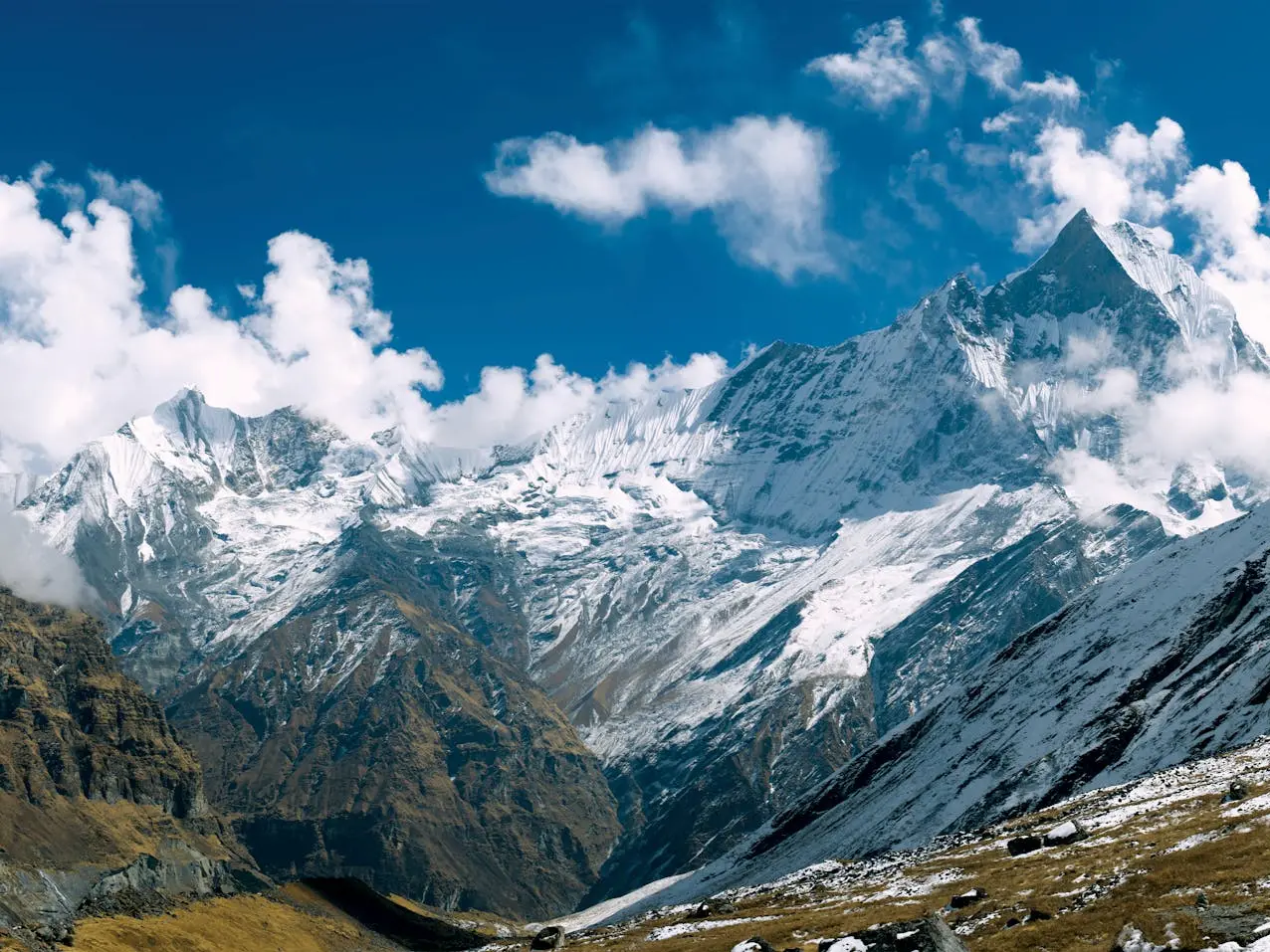
Nepal continues to be a premier trekking destination globally, and 2025/2026 offers a particularly special opportunity for adventurers seeking transformative journeys. As the world steadily returns to post-pandemic normalcy, Nepal is investing heavily in sustainable tourism and improved infrastructure. Popular trails such as Everest Base Camp, Annapurna Circuit, and Langtang Valley are not only being maintained but enhanced for safety, ecological conservation, and cultural integrity. The clear mountain air, fewer crowds compared to peak tourist years, and rejuvenated natural landscapes make this an ideal time to explore the Himalayas.
Additionally, 2025/2026 is a golden window to experience the authenticity of Nepal’s remote regions before they become more commercialized. Hidden gems like the Manaslu Circuit, Kanchenjunga Base Camp, and Upper Dolpo remain less traveled but offer equally breathtaking experiences. Choosing Nepal’s best trekking destinations during this period means fewer tourists, more interaction with local communities, and the chance to witness raw Himalayan beauty. For trekkers seeking a deep connection with nature and culture, these years promise unforgettable memories.
Nepal is more than just the gateway to the Himalayas—it's a land steeped in ancient culture, spiritual richness, and natural grandeur. Home to eight of the world’s fourteen 8,000-meter peaks, including the iconic Mt. Everest, Nepal offers a rugged terrain that draws adventurers and spiritual seekers alike. From the sacred temples of Kathmandu Valley to the tranquil monasteries tucked away in the mountains, the country effortlessly weaves together spiritual serenity with physical challenge.
Beyond its dramatic landscapes, Nepal’s diverse ethnic communities—Sherpas, Tamangs, Gurungs, Thakalis, and others—add layers of tradition and hospitality to every trek. Local festivals, food, music, and rituals enhance the trekking experience, making each journey as culturally enriching as it is physically rewarding. With its balance of adventure, tranquility, and cultural immersion, Nepal stands as a truly unmatched destination.
Trekking in Nepal is not merely about walking from one place to another—it's a holistic experience that engages your body, mind, and soul. Each trail in Nepal has its unique flavor, from the alpine meadows and rhododendron forests of the Annapurna region to the stark, high-altitude beauty of Mustang and Dolpo. Whether you're a seasoned trekker or a first-timer, there's a route for every fitness level, offering panoramic mountain views, cultural villages, and encounters with rare wildlife.
What sets trekking in Nepal apart is the sense of spiritual elevation and personal transformation. Many travelers describe their Himalayan trek as life-changing, citing the tranquility of the mountains, the warmth of the locals, and the simplicity of the teahouse lifestyle. The physical effort required is rewarded tenfold by the stunning views of towering peaks and serene valleys. Every step in Nepal is a step into a world where time slows down and nature speaks louder.
Nepal, often referred to as the Roof of the World, has long captivated the hearts of travelers with its majestic peaks, rich cultural tapestry, and spiritual serenity. Home to the towering Himalayas, including the world’s highest mountain, Mount Everest, Nepal has built a legacy as one of the most iconic trekking destinations on the planet. For decades, trekkers from every corner of the globe have come here to challenge themselves, find inner peace, or simply to stand in awe of nature’s grandeur. From classic trails like the Annapurna Circuit and Everest Base Camp to off-the-beaten-path journeys through Mustang and Dolpo, Nepal offers a diversity of trekking experiences unmatched anywhere else.
But trekking in Nepal is not just about conquering physical altitudes—it’s also about cultural immersion. Along the way, travelers encounter ancient monasteries, prayer-flag-draped mountain passes, remote villages untouched by time, and the heartwarming hospitality of ethnic communities such as the Sherpas, Gurungs, and Tamangs. These experiences have built Nepal’s reputation not only as a destination for adventure but also as a spiritual and cultural journey, where every step tells a story and every sunrise brings perspective.
Looking ahead, 2025/2026 is shaping up to be an especially ideal time to visit Nepal. As global travel rebounds with a focus on meaningful, sustainable experiences, Nepal is investing in infrastructure, eco-tourism, and cultural preservation. Many trekking routes have been restored and improved after the impact of recent years, with enhanced safety measures, better-managed trail systems, and community-based tourism initiatives that benefit local people. The relatively lower tourist density during this period also allows for a more intimate and less commercialized trekking experience—offering solitude, tranquility, and deeper engagement with the natural and cultural beauty of the Himalayas.
In short, for those seeking to rediscover the essence of adventure in its purest form, trekking Nepal in 2025/2026 offers a rare opportunity. Whether you're a first-time visitor or a seasoned traveler returning to the mountains, the moment is ripe to walk Nepal’s timeless trails with fresh eyes and renewed appreciation.
Geographic and Cultural Diversity
Nepal’s uniqueness as a trekking destination lies first and foremost in its remarkable geographic diversity. In a relatively compact area, the country ranges from lowland jungles teeming with wildlife to the towering Himalayan peaks, including eight of the world’s fourteen mountains above 8,000 meters. This dramatic variation in elevation creates diverse trekking environments—from lush rhododendron forests and terraced hillsides to arid high-altitude deserts and glacier-fed valleys. Whether you're drawn to the snow-capped summits of Everest and Annapurna or the mystical landscapes of Mustang and Manaslu, Nepal offers a trail for every kind of trekker.
But it’s not just the land that makes Nepal exceptional—the cultural richness woven into every step of the journey adds unmatched depth. Trekkers pass through remote villages inhabited by distinct ethnic groups, each with their own languages, traditions, and spiritual practices. Buddhist monasteries, Hindu temples, and centuries-old chortens (stupas) dot the landscape, reminding travelers that this land is as sacred as it is spectacular. The opportunity to engage with local cultures while walking through breathtaking landscapes makes trekking in Nepal a deeply enriching experience.
Hospitality and Safety
Another cornerstone of Nepal’s trekking appeal is the genuine warmth and hospitality of its people. Nepalese culture emphasizes respect for guests, and trekkers are often treated like family in local tea houses and homestays. This spirit of hospitality is particularly evident in remote regions, where smiling hosts welcome visitors with traditional food, hot tea, and heartfelt stories. Guides and porters, many of whom come from the very regions you’ll be trekking through, bring invaluable knowledge and camaraderie to the journey.
In terms of safety, Nepal has made significant strides in recent years. Established trekking routes are well-managed with marked trails, reliable accommodations, and improved communication infrastructure. Local trekking companies like Hidden Path Treks & Expeditions provide trained guides who prioritize guest safety, monitor weather conditions, and are familiar with emergency procedures. The Nepalese government and tourism bodies also work closely with operators to maintain high standards for trekking permits, rescue services, and eco-tourism ethics, ensuring travelers feel secure throughout their adventure.
Sustainable and Eco-Tourism Initiatives
In recent years, Nepal has become increasingly committed to responsible tourism and environmental stewardship. With the growth of tourism comes a greater responsibility to protect the fragile ecosystems and cultural heritage of trekking regions. Both government and private sector initiatives have promoted sustainable practices such as waste management systems, eco-friendly lodges, and renewable energy use in the mountains. National parks and conservation areas now implement stricter regulations to control trekking traffic and preserve biodiversity.
Local trekking companies like Hidden Path Treks & Expeditions are at the forefront of this movement. By supporting community-based tourism, hiring local staff, and using low-impact trekking methods, they ensure that their operations benefit the people and environments of Nepal. Trekkers can now participate in carbon-offset programs, join clean-up treks, or choose itineraries that support remote villages in need. These efforts make trekking in Nepal in 2025/2026 not only an unforgettable adventure but also a meaningful contribution to conservation and sustainable development.
Nepal offers an extraordinary variety of trekking routes, each with its own blend of landscapes, culture, and adventure. In 2025/2026, these treks offer revitalized trails, less-crowded paths, and unique opportunities to connect with nature and tradition. Whether you're chasing legendary peaks or seeking secluded serenity, these top trekking destinations promise unforgettable experiences.
1. Everest Base Camp: A Legendary Adventure
The Everest Base Camp (EBC) trek remains one of the most iconic adventures on the planet. Starting from the vibrant Sherpa town of Lukla, the trail winds through the heart of the Khumbu region, offering views of towering peaks such as Everest, Lhotse, Ama Dablam, and Nuptse. Along the way, trekkers pass through legendary villages like Namche Bazaar and Tengboche, home to ancient monasteries and stunning viewpoints. The culmination at Everest Base Camp, standing beneath the shadow of the world’s highest mountain, is a moment that resonates deeply with every adventurer.
2025/2026 is a perfect time to undertake this legendary journey. Improved trail conditions, better acclimatization support, and enhanced facilities make the trek both safer and more comfortable than ever before. Hidden Path Treks & Expeditions provides experienced local guides who offer cultural insights and ensure your safety every step of the way, turning a dream trek into a transformative experience.
2. Annapurna Circuit: The Classic Himalayan Journey
The Annapurna Circuit remains a favorite among trekkers for its astonishing variety—lush green valleys, dramatic gorges, high alpine passes, and Tibetan-influenced villages. The journey takes you through multiple climate zones and across the majestic Thorong La Pass at 5,416 meters, offering panoramic views of Annapurna, Dhaulagiri, and Manaslu ranges. It’s a trek that combines natural wonder with cultural depth.
In 2025/2026, the Annapurna Circuit continues to evolve. While road developments have shortened parts of the traditional route, Hidden Path Treks expertly crafts itineraries that retain the original spirit by focusing on alternative trails and hidden villages. Sustainable lodges, authentic homestays, and fewer crowds make this a classic trek with a refreshed perspective.
3. Langtang Valley: Serenity Close to Kathmandu
Just a day’s drive from Kathmandu, Langtang Valley offers a serene trekking experience rich in natural beauty and Tamang culture. The trail follows the Langtang River through dense forests, past yak pastures, and into high alpine meadows framed by peaks like Langtang Lirung. The simplicity of the villages and the spiritual ambiance of Kyanjin Gompa make this trek feel both peaceful and profound.
Following its recovery from the 2015 earthquake, the Langtang region has made a remarkable comeback, supported by sustainable tourism. In 2025/2026, Langtang remains a perfect choice for trekkers seeking fewer crowds, close proximity to the capital, and genuine cultural encounters. Hidden Path Treks offers tailored Langtang itineraries that ensure both safety and authentic immersion in the region’s heritage.
4. Manaslu Circuit: Off-the-Beaten-Path Beauty
The Manaslu Circuit is often described as a quieter, more raw alternative to the Annapurna Circuit. Circling the eighth-highest mountain in the world, this trail takes trekkers through unspoiled terrain, suspension bridges, and remote Tibetan-influenced villages. The high point is crossing Larkya La Pass (5,160m), offering breathtaking views and a thrilling sense of achievement.
In 2025/2026, the Manaslu region is still relatively untouched by mass tourism, making it ideal for those looking to escape the crowds. With limited trekkers allowed under special permits, this route is ideal for those craving adventure and solitude. Hidden Path Treks organizes fully supported and permit-ready Manaslu Circuit expeditions, prioritizing eco-conscious practices and deep local connections.
5. Upper Mustang: The Forbidden Kingdom
Once a restricted region, Upper Mustang is one of Nepal’s most culturally distinct trekking destinations. Known as the "Last Forbidden Kingdom," this arid trans-Himalayan landscape resembles Tibet more than Nepal, complete with walled cities, cliffside caves, and centuries-old monasteries. The capital, Lo Manthang, is a living museum of Tibetan culture and architecture.
Trekking in Upper Mustang during 2025/2026 is an immersive journey into a preserved world. With the impacts of modernization just beginning to reach this region, now is the time to experience its untouched character. Hidden Path Treks offers expertly guided expeditions that emphasize respect for local customs, while providing the logistical support needed for this remote and culturally rich adventure.
6. Annapurna Base Camp: A Sanctuary Among Giants
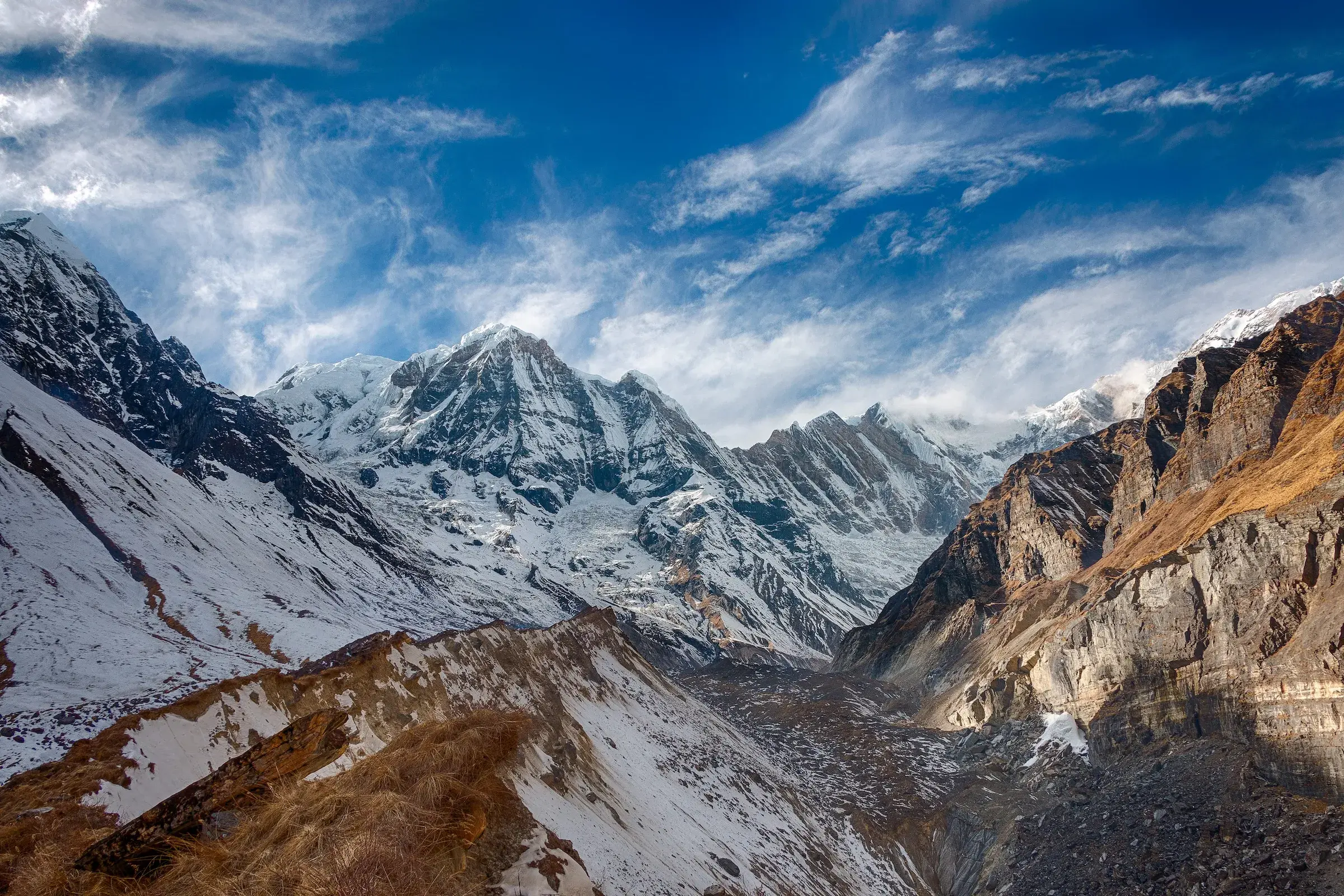
The Annapurna Base Camp (ABC) trek offers a shorter but equally rewarding alternative to the Annapurna Circuit. The trail ascends through terraced farmland, rhododendron forests, and Gurung villages before reaching the spectacular amphitheater of the Annapurna Sanctuary. Surrounded by towering peaks like Annapurna I, Machapuchare, and Hiunchuli, the base camp itself is a spiritual and scenic highlight.
With well-maintained trails and varied accommodation options, ABC is ideal for those seeking a moderate yet deeply fulfilling trek. In 2025/2026, with improved infrastructure and a renewed focus on sustainability, trekkers can expect a more comfortable and eco-friendly experience. Hidden Path Treks crafts customizable itineraries for ABC, ensuring proper acclimatization, cultural encounters, and unforgettable vistas every step of the way.
As Nepal continues to evolve as a world-class trekking destination, 2025/2026 brings with it a host of updates and improvements designed to enhance the experience for trekkers. From upgraded infrastructure to smarter permit systems and stronger eco-initiatives, these developments reflect the country’s commitment to responsible, safe, and enriching tourism. Whether you're returning to Nepal or trekking here for the first time, these changes promise a smoother, safer, and more sustainable adventure.
Infrastructure Improvements
In response to both growing interest and lessons learned from past challenges, Nepal has invested significantly in its trekking infrastructure. Key trail routes such as Everest Base Camp, Annapurna, and Manaslu have seen improvements in footpath maintenance, waymarking, and teahouse upgrades. Remote areas like Dolpo and Kanchenjunga are now more accessible via newly constructed suspension bridges, trail reinforcements, and rest points, making the journey safer and more comfortable.
Transportation to and from trekking gateways has also been enhanced. Roads leading to trailheads like Syabrubesi (Langtang), Besi Sahar (Annapurna Circuit), and Arughat (Manaslu) have been upgraded, reducing travel time and increasing reliability. Additionally, local airports such as Lukla and Pokhara are operating with better flight scheduling and safety systems, improving access to some of Nepal’s most popular regions.
Permits and Accessibility
One of the most traveler-friendly updates in 2025/2026 is the modernization of the permit and entry system. The Nepal Tourism Board, in collaboration with local authorities, has launched an online permit application and tracking portal. This system streamlines the process for obtaining TIMS (Trekkers' Information Management System) cards and special area permits, reducing paperwork and wait times while improving transparency and security.
Increased digital accessibility also benefits trekkers heading to restricted regions such as Upper Mustang or Manaslu, where group permits and guide requirements have traditionally added complexity. Now, trusted operators like Hidden Path Treks & Expeditions can manage these logistics more efficiently, ensuring trekkers have a hassle-free experience from booking to trailhead. This evolution also ensures better regulation of trekking traffic, which in turn helps preserve the delicate ecosystems and cultural heritage of remote areas.
Enhanced Safety Protocols and Eco-Efforts
Post-pandemic awareness and a global emphasis on sustainability have led Nepal to introduce stronger safety and environmental protocols in its trekking industry. Health check stations have been established along major routes, guides are receiving advanced first-aid and emergency response training, and satellite-based communication systems are increasingly common. These enhancements ensure that trekkers are supported in both routine and emergency scenarios.
Eco-tourism initiatives have also gained momentum. Many teahouses now rely on solar power, and trekking routes are adopting stricter waste management practices, including “carry-in, carry-out” policies. The government, together with local organizations and companies like Hidden Path Treks & Expeditions, is actively promoting clean-up campaigns, responsible trekking workshops, and the use of eco-friendly materials in gear and packaging. In 2025/2026, trekking in Nepal means being part of a larger movement toward preserving the beauty that makes these mountains so magical.
Seasonal Insights and Weather Trends
Choosing the right season to trek in Nepal can dramatically enhance your experience. The two primary trekking seasons remain spring (March to May) and autumn (late September to November). During spring, the valleys and hills burst into vibrant colors with rhododendrons and wildflowers, while the weather is generally stable and temperatures are moderate. This season is ideal for photographers, nature lovers, and those who want to enjoy lush landscapes.
Autumn, on the other hand, is considered the best trekking season overall, with clear blue skies, crisp air, and stunning mountain visibility. The post-monsoon period sweeps away clouds and dust, revealing breathtaking panoramic views of the Himalayas. The temperatures are cooler but still comfortable during the day, making it perfect for high-altitude treks like Everest Base Camp and Annapurna Circuit.
Winter trekking (December to February) is possible, especially in lower elevation areas like Langtang or Annapurna Base Camp, offering quieter trails and snow-dusted peaks. However, cold temperatures and snow in higher passes may limit accessibility. Summer (monsoon season) brings heavy rainfall and landslides, so trekking is generally not recommended, except for some short, culturally rich treks in the lower valleys.
Festival Timings that Enhance the Experience
Timing your trek to coincide with Nepal’s vibrant festivals adds a magical cultural layer to your journey. The autumn season hosts major festivals like Dashain and Tihar, where villages and cities come alive with traditional dances, prayers, and celebrations. Experiencing these festivals in towns along the trekking routes offers an unforgettable glimpse into Nepalese spirituality and community life.
In spring, Holi (the festival of colors) and Buddha Jayanti (Buddha’s birthday) bring vibrant festivities and local rituals that travelers can witness or participate in. These celebrations enrich trekking experiences, allowing you to connect more deeply with the people and traditions of the region. Hidden Path Treks & Expeditions can help schedule your trek to align with these unique cultural moments.
Matching Treks with Fitness and Experience Level
Nepal’s trekking routes cater to all kinds of adventurers—from beginners to seasoned mountaineers. When selecting a trek, it’s essential to consider your fitness level, previous hiking experience, and altitude tolerance. For those new to trekking or looking for moderate challenges, routes like the Annapurna Base Camp and Langtang Valley offer manageable elevation gains, well-developed trails, and comfortable accommodations.
Intermediate trekkers may enjoy the Annapurna Circuit or Everest Base Camp, which require better endurance and acclimatization skills due to higher altitudes and longer durations. Advanced trekkers seeking solitude and rugged terrain might prefer the Manaslu Circuit or Upper Mustang, which demand excellent physical fitness, adaptability, and often experience with high-altitude trekking.
Guided vs. Independent Trekking
Deciding whether to trek independently or with a guide depends on your comfort, knowledge of the region, and personal preference. While some well-marked trails like Annapurna Circuit or Everest Base Camp can be trekked independently, hiring a guide enhances safety, cultural understanding, and logistical ease. Local guides from companies like Hidden Path Treks & Expeditions provide invaluable expertise, help with navigation, manage permits, and facilitate meaningful interactions with communities along the way.
For remote or restricted areas such as Manaslu and Upper Mustang, guided treks are mandatory, ensuring compliance with local regulations and maximizing your safety. Guided treks also allow travelers to focus on the experience without worrying about arrangements, especially important for first-time visitors or those less familiar with high-altitude trekking.
What to Pack in 2025/2026
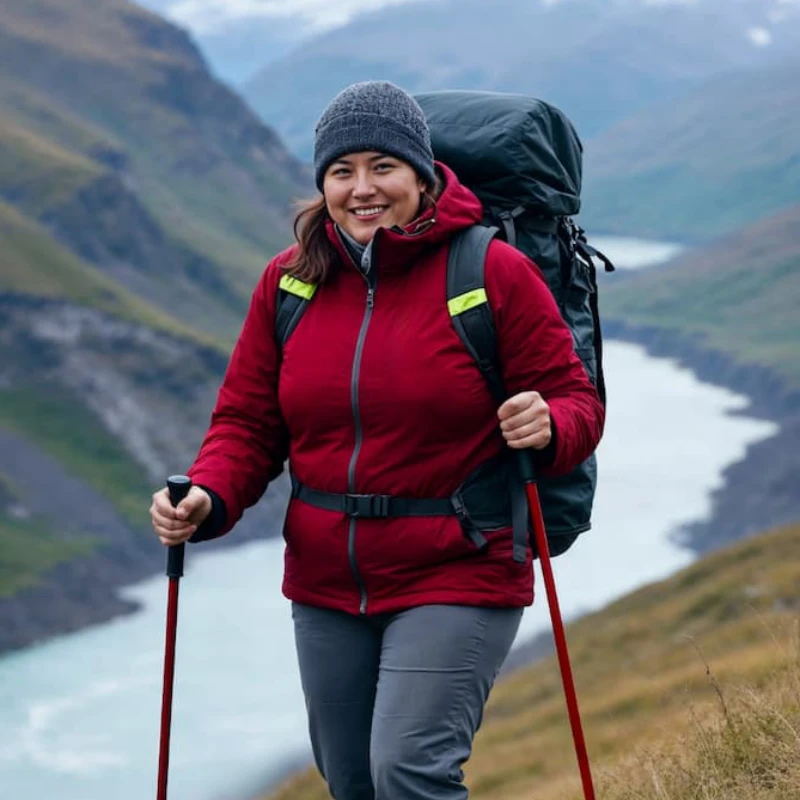
Packing smart is key to enjoying your trek comfortably and safely in Nepal’s varied environments. In 2025/2026, lightweight, versatile, and eco-friendly gear is more important than ever. Essentials include layered clothing to adapt to fluctuating temperatures—from moisture-wicking base layers and insulated jackets to waterproof shells. Good quality trekking boots with ankle support and comfortable socks will protect your feet on rugged trails. A reliable backpack, hydration system, trekking poles, and a sleeping bag rated for sub-zero temperatures are must-haves.
Don’t forget practical items like a headlamp, sunscreen, sunglasses, and a reusable water bottle with a purification system to reduce plastic waste. Electronics such as power banks and universal adapters keep your devices charged during longer treks. Lastly, pack personal first-aid kits, altitude sickness medication, and any prescription drugs. Hidden Path Treks & Expeditions provides detailed packing lists customized to your trek, ensuring you’re well-prepared without overpacking.
Health, Insurance, and Altitude Awareness
Staying healthy on the trail is paramount. Before your trek, consult your doctor about vaccinations and health precautions. Trekking insurance that covers high-altitude evacuation and medical emergencies is highly recommended. Hydration, balanced nutrition, and gradual acclimatization are critical to preventing altitude sickness, which can affect anyone regardless of fitness.
Familiarize yourself with the symptoms of Acute Mountain Sickness (AMS) and communicate openly with your guide. Many trekking agencies, including Hidden Path Treks & Expeditions, train their staff in recognizing and responding to altitude-related issues, offering you peace of mind on your journey. Remember, listening to your body and taking rest days when needed can make the difference between a successful trek and serious health complications.
Supporting Local Communities
Trekking in Nepal offers a unique chance to directly support local economies. By choosing responsible trekking companies like Hidden Path Treks & Expeditions, your trip helps sustain villages along the trails through fair wages, community projects, and promotion of local crafts and traditions. Staying in family-run teahouses or homestays and buying local produce ensures that tourism benefits reach the grassroots.
Many regions rely heavily on trekking income for education, healthcare, and infrastructure development. By engaging respectfully with hosts and participating in cultural experiences, trekkers contribute to preserving the vibrant heritage of Nepal’s mountain communities. Hidden Path Treks prioritizes partnerships with local organizations to foster long-term positive impacts.
Minimizing Your Environmental Footprint
With Nepal’s fragile mountain ecosystems facing growing pressures, responsible trekking is essential. Avoid single-use plastics, dispose of waste properly, and adhere strictly to “leave no trace” principles. Use eco-friendly products and support teahouses that implement sustainable energy solutions like solar power.
Trekking companies, including Hidden Path Treks & Expeditions, are actively involved in trail clean-ups and environmental education. By trekking responsibly, you not only protect the natural beauty of Nepal for future generations but also ensure that your adventure respects the delicate balance between tourism and conservation. Small actions by every trekker contribute to the health of the Himalayas.
Nepal’s majestic landscapes, vibrant cultures, and timeless trekking trails offer more than just a journey—they provide an experience that transforms the body, mind, and soul. Whether you’re gazing up at the towering peaks of Everest, wandering through ancient villages on the Annapurna Circuit, or exploring the remote, mystical realms of Upper Mustang, Nepal captures the essence of adventure and discovery like no other destination on earth.
As 2025/2026 approaches, the opportunities to experience Nepal at its best have never been greater. With improved infrastructure, enhanced safety, and a growing commitment to sustainable tourism, the trails are ready to welcome trekkers eager to connect deeply with nature and culture. The authentic hospitality of Nepal’s people and the chance to support local communities add richness and meaning to every step you take.
Choosing to trek with Hidden Path Treks & Expeditions means embarking on this epic journey with expert guides who prioritize your safety, comfort, and immersive experience. They know the trails intimately and understand the delicate balance between adventure and respect for the land and its people.
For those seeking a travel experience that combines breathtaking natural beauty, profound cultural encounters, and personal challenge, Nepal in 2025/2026 is simply unbeatable. Your trek here isn’t just a trip—it’s the trek of a lifetime. So pack your bags, lace up your boots, and prepare to discover the hidden paths that lead to unforgettable memories.
Nepal is waiting—are you ready to answer the call?
When embarking on a once-in-a-lifetime journey in Nepal, the company you choose matters. Hidden Path Treks & Expeditions stands out as a locally based, expert-guided, and eco-conscious trekking company with years of experience in leading safe, meaningful, and customized adventures. Their team, comprised of seasoned guides, porters, and cultural experts, is passionate about sharing the beauty and stories of Nepal’s hidden paths—far from the crowded tourist routes.
What makes Hidden Path Treks & Expeditions particularly special is their commitment to responsible travel. They work closely with local communities, follow sustainable practices, and ensure that trekkers get an authentic and respectful experience of the land and people. From organizing permits and logistics to ensuring comfort and safety, the team provides end-to-end support, allowing you to focus on the journey itself. In 2025/2026, choose Hidden Path for a trekking adventure that’s personalized, ethical, and truly unforgettable.



