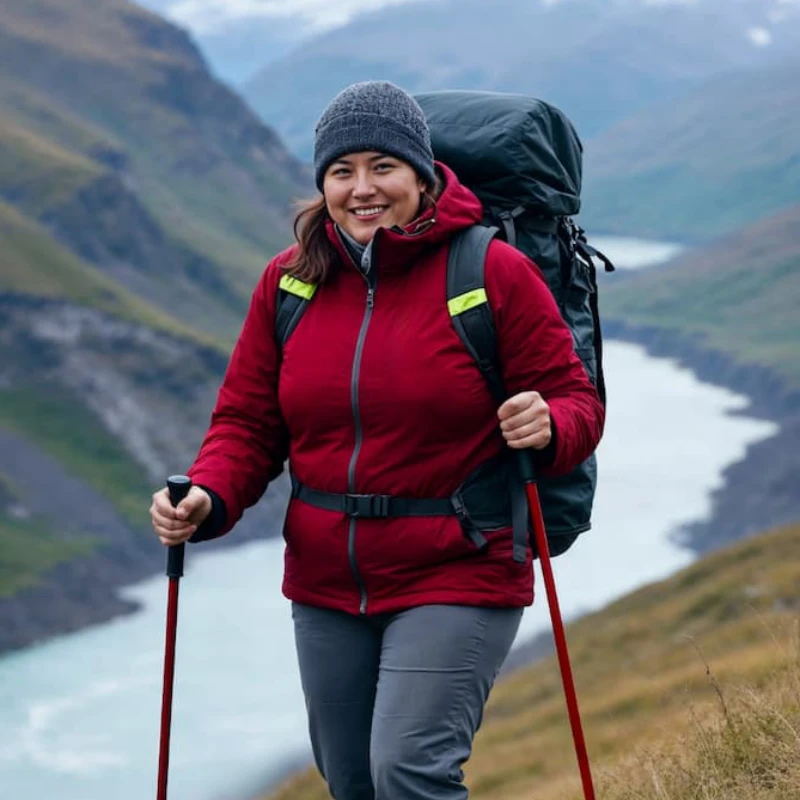
Your adventure begins with a thrilling early morning flight from Kathmandu to Lukla, a gateway to the Everest region, perched at 2,840 meters. From the Lukla airstrip, the trek commences with a gentle downhill walk to Phakding, a small Sherpa village nestled along the Dudh Koshi River. The trail is lined with rhododendron forests and charming suspension bridges. The trek takes around 4 to 5 hours, allowing you to soak in the first views of snowy peaks and local life. Overnight at a teahouse in Phakding.
The trail today gradually ascends alongside the Dudh Koshi River, crossing several suspension bridges and passing through small villages. After about 3 to 4 hours, you reach the famous entrance gate to the Sagarmatha National Park, where a permit check is conducted. The last stretch involves a steep climb to Namche Bazaar, the bustling Sherpa capital at 3,440 meters. Here you’ll find lively markets, cafes, and stunning views of Everest and Ama Dablam. This 5 to 6 hour trek is challenging but rewarding. Overnight in Namche.
To help your body acclimate to the high altitude, today is a rest day with a short hike to the Everest View Hotel, located at 3,880 meters. The hotel offers panoramic views of Everest, Lhotse, and Ama Dablam. The trail is peaceful, passing through alpine forests and small settlements. After enjoying the vistas and a warm cup of tea, you return to Namche Bazaar for another night in the bustling village. This hike takes around 3 to 4 hours.
Leaving Namche behind, the trail ascends gently through rhododendron and pine forests with stunning views of Ama Dablam dominating the skyline. You pass through the village of Tyangboche, home to the famous monastery, before continuing to Pangboche, one of the oldest Sherpa villages in the region. Pangboche sits at 3,930 meters and offers a serene environment with panoramic mountain views. The trek today is moderately strenuous and takes approximately 5 to 6 hours.
Today’s trek is the highlight as you ascend to the base camp of Ama Dablam, an iconic Himalayan peak revered by climbers and locals alike. The trail becomes steeper and more rugged as you make your way through high alpine terrain, passing through yak grazing areas and glacial moraines. Upon reaching Ama Dablam Base Camp at 4,600 meters, you will be rewarded with breathtaking views of the mountain’s dramatic ridges and surrounding peaks. After soaking in the scenery, you return to Pangboche for the night.
Today you retrace your steps back toward Namche Bazaar. The descent is long but scenic, passing once again through forested areas and Sherpa villages. You can reflect on your journey while enjoying the changing views of the Himalayas as you descend to the bustling market town of Namche. This is a full day of trekking with approximately 6 to 7 hours on the trail. Overnight in Namche.
The final day of trekking brings you back to Lukla. The trail descends through pine forests and alongside rivers, crossing suspension bridges and small villages. After about 6 to 7 hours, you arrive at Lukla, where you can celebrate completing your trek with your team. Enjoy a restful evening in Lukla’s cozy teahouses, preparing for the flight back to Kathmandu.
In the morning, take a scenic and memorable flight back to Kathmandu. The flight offers spectacular aerial views of the Himalayan peaks and valleys you have just explored on foot. Upon arrival, a representative from Hidden Path Treks & Expeditions will transfer you to your hotel or the airport for your onward journey. This marks the end of your Ama Dablam Base Camp adventure with unforgettable memories of Nepal’s majestic mountains.
The trek is situated in the Khumbu region of Nepal, starting usually from Lukla after a scenic mountain flight from Kathmandu. From Lukla, trekkers pass through picturesque Sherpa villages such as Namche Bazaar, Tengboche, and Dingboche, before making the ascent to the Ama Dablam Base Camp. The trail features a mix of forests, rhododendron-filled hills, glacial moraine, and high alpine terrain, offering breathtaking views of Ama Dablam itself as well as other giants like Everest, Lhotse, and Nuptse.
The Ama Dablam Base Camp trek is moderately to highly challenging and is suitable for trekkers with good physical fitness and some prior trekking experience. The altitude reaches approximately 4,570 meters (15,000 feet) at the base camp, so acclimatization is crucial to avoid altitude sickness. Hidden Path Treks & Expeditions recommends preparing with endurance training, cardio workouts, and hiking practice. Our experienced guides will help pace the trek and ensure safety during the ascent.
The best trekking seasons are spring (March to May) and autumn (late September to November). These months provide clear skies, stable weather, and moderate temperatures, ideal for high-altitude trekking. Spring brings beautiful rhododendron blooms and fresh greenery, while autumn offers crisp air and spectacular mountain visibility. Winter trekking is possible but colder, and the monsoon season (June to August) is generally avoided due to heavy rains and slippery trails.
Along the route, trekkers stay in traditional teahouses and lodges that offer basic but comfortable facilities, including beds, meals, and shared bathrooms. Food includes traditional Nepali dishes such as dal bhat, momos, and soups, along with some international options. Hidden Path Treks & Expeditions ensures that our clients are well cared for, with clean accommodation and nourishing meals to maintain energy levels throughout the trek.
Yes, trekking in the Everest region requires permits such as the TIMS (Trekkers’ Information Management System) card and the Sagarmatha National Park entry permit. Hidden Path Treks & Expeditions handles all permit arrangements on behalf of trekkers, making the process smooth and hassle-free. Trekkers must carry a valid passport and passport-sized photos for permit processing.
Safety is a top priority for Hidden Path Treks & Expeditions. While trekking at high altitude presents risks such as altitude sickness and sudden weather changes, our professional guides are trained in first aid and emergency response. We follow proper acclimatization schedules and carry communication equipment to stay in contact with rescue teams if needed. We also strongly recommend trekkers to have appropriate travel insurance covering trekking and emergency evacuation.
Trekkers should bring sturdy hiking boots, layered clothing to adjust to varying temperatures, a warm insulated jacket, gloves, a hat, sunglasses, sunscreen, and a durable backpack. Thermal wear and a sleeping bag rated for cold weather are essential due to the chilly nights at higher elevations. Hidden Path Treks & Expeditions provides a detailed packing list and can assist with gear rentals if needed.
We are committed to responsible tourism practices that protect the fragile environment of the Everest region. Our company supports local communities by using locally owned lodges and employing Sherpa guides and porters. We encourage trekkers to minimize waste, respect local culture, and follow Leave No Trace principles to preserve this pristine mountain area for future generations.
Booking with Hidden Path Treks & Expeditions is easy. Contact us via our website or email with your preferred travel dates, and our team will provide full details about the itinerary, costs, and preparations. Once confirmed, we handle all logistics, including airport transfers, permits, accommodations, guides, and porters, so you can focus on enjoying the incredible adventure.