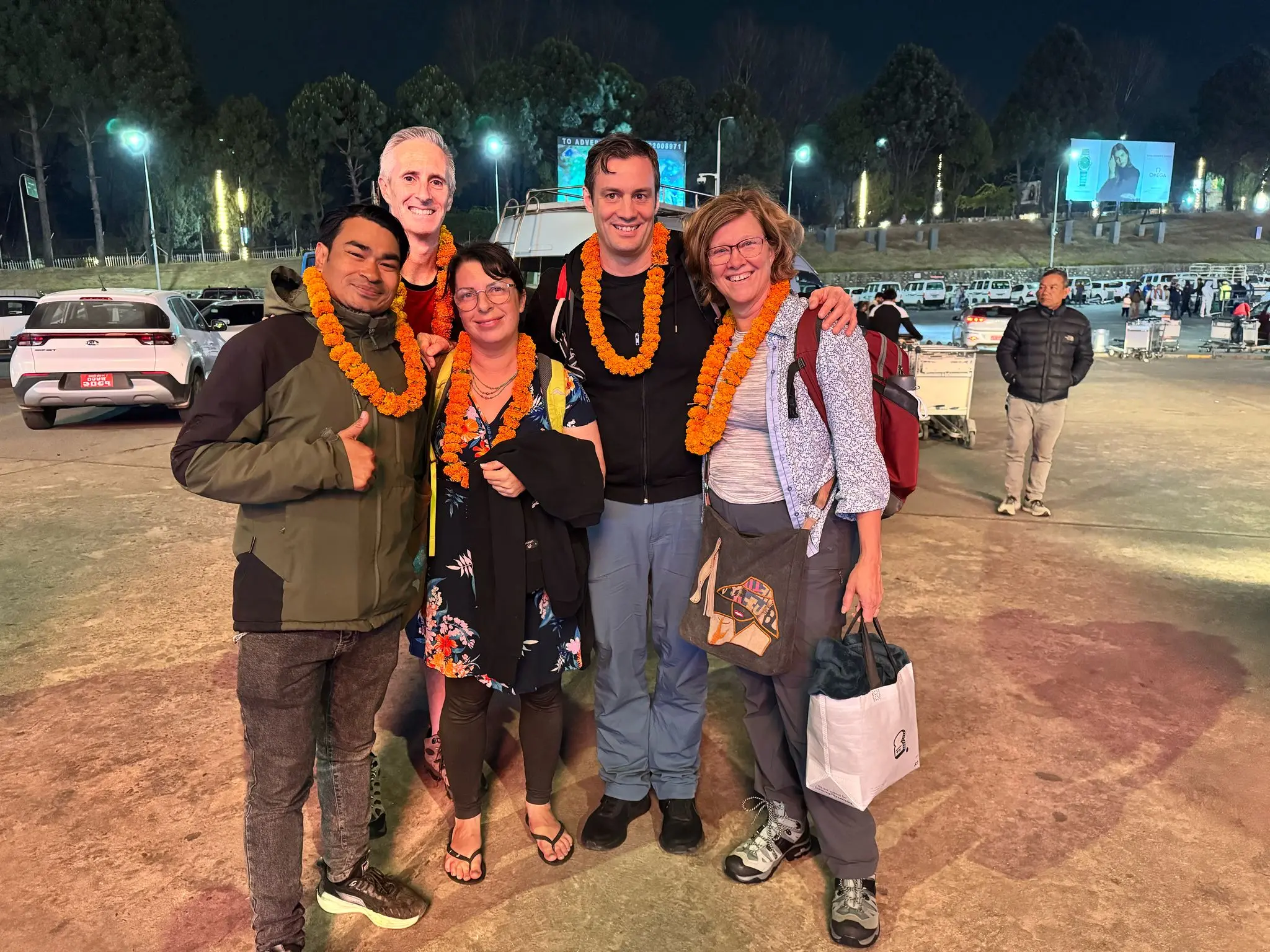
Upon arrival at Tribhuvan International Airport, a representative from Hidden Path Treks & Expeditions will welcome you and transfer you to your hotel in Kathmandu. The rest of the day is free for you to rest or explore the vibrant streets of Thamel. In the evening, enjoy a welcome dinner at a traditional Nepali restaurant, where you'll meet your trekking guide and fellow trekkers.
Scenic drive from Kathmandu to Machha Khola, passing through picturesque villages, terraced fields, and lush forests. The journey offers glimpses of the Ganesh Himal and Manaslu ranges. Upon reaching Machha Khola, settle into your teahouse and prepare for the trek ahead.
Begin your trek by crossing the Machha Khola River and ascending through dense forests. The trail passes through small villages like Khorlabesi and Tatopani, known for their natural hot springs. Continue to Jagat, a charming village with traditional stone houses and terraced fields.
The trail ascends through lush forests and terraced fields, offering views of the surrounding peaks. Pass through the village of Philim, known for its impressive stone architecture. Continue to Lokpa, a peaceful village that marks the entrance to the Tsum Valley.
Descend to the Siyar River and cross a suspension bridge before ascending to the village of Chumling. The trail offers views of the Ganesh Himal and passes through dense forests and traditional villages. Chumling is known for its ancient monasteries and traditional Tibetan culture.
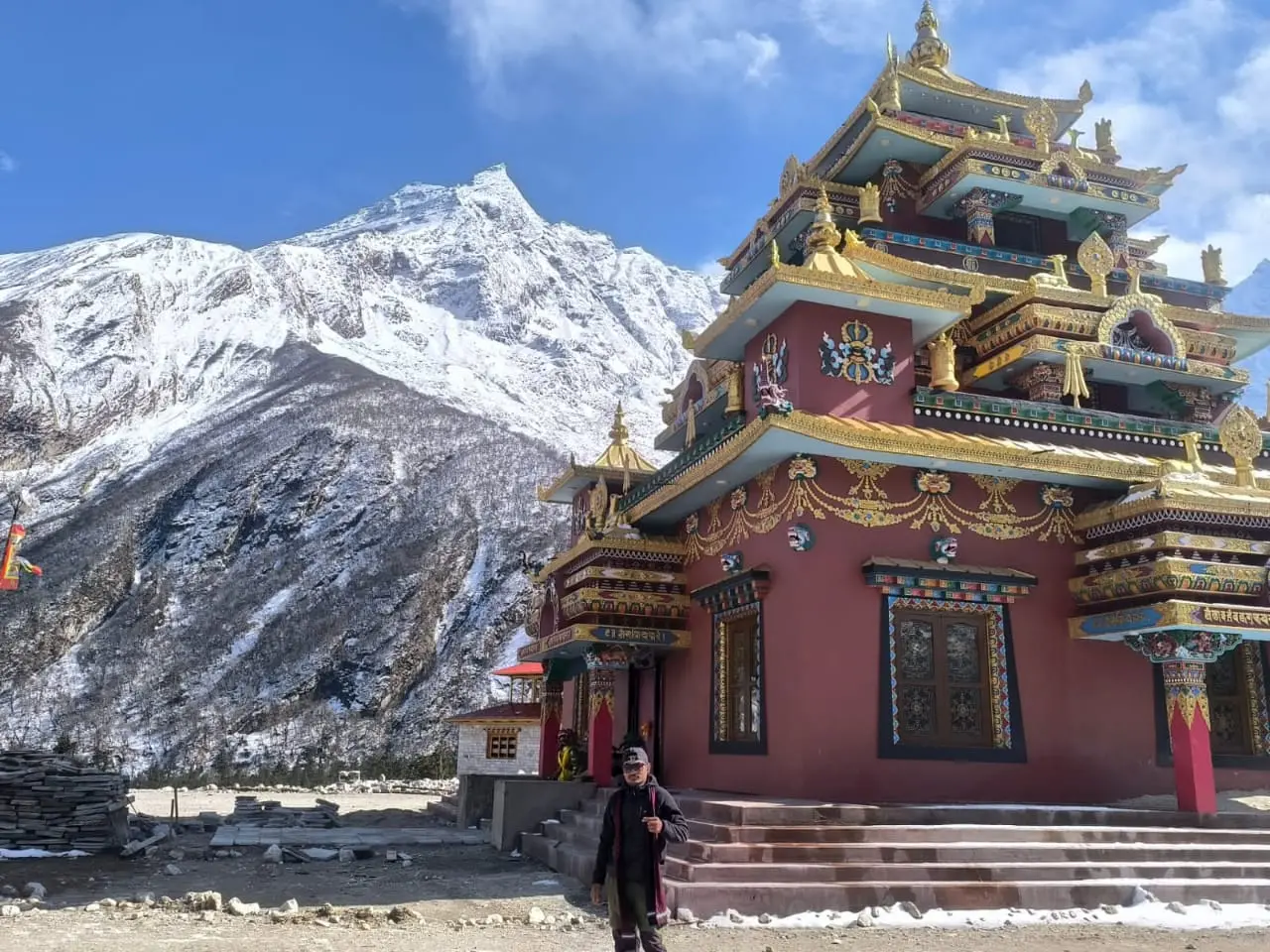
Ascend through dense forests and cross several streams to reach Rachen Gompa, a significant Buddhist monastery in the region. The area is rich in Tibetan culture, and the monastery offers insights into the spiritual life of the locals.
Continue your trek to the village of Nile, passing through traditional Tibetan villages and enjoying panoramic views of the surrounding peaks. From Nile, hike up to Mu Gumpa, a remote monastery offering stunning views of the Manaslu range.
Retrace your steps back to Chumling, descending through the Tsum Valley. The trail offers different perspectives of the landscapes and villages you've passed, providing a deeper appreciation of the region's beauty.
Descend through terraced fields and forests to reach the village of Deng. The trail offers views of the surrounding peaks and insights into the rural life of the region. Deng is a small village with traditional stone houses and a peaceful atmosphere.
Ascend through forests and cross several streams to reach Namrung, a village known for its traditional architecture and stunning views of the surrounding peaks. The trail offers glimpses of the Manaslu range and insights into the local culture.
Continue your trek through forests and past traditional villages to reach Lho. The village offers panoramic views of Mount Manaslu and is home to the Lho Monastery, a significant Buddhist site in the region.
Ascend through forests and past traditional villages to reach Samagaon, a village located at the base of Mount Manaslu. The area offers stunning views of the surrounding peaks and is a base for trekkers heading towards Manaslu Base Camp.
Take a rest day to acclimatize to the altitude. Optional hikes include visiting Birendra Lake, Pungen Monastery, or trekking to Manaslu Base Camp for closer views of the mountain. These excursions offer insights into the region's natural beauty and spiritual heritage.
Descend through forests and cross several streams to reach Samdo, a village located near the Tibetan border. The area offers stunning views of the surrounding peaks and is a base for trekkers heading towards Larkya La Pass.
Ascend through alpine meadows and past traditional stone houses to reach Larkya Phedi, the base camp for Larkya La Pass. The area offers stunning views of the surrounding peaks and is a resting point before the challenging ascent to the pass.
Begin early to cross Larkya La Pass, the highest point of the trek at 5160 meters. The ascent is challenging, but the panoramic views from the top are rewarding. Descend to Bimthang, a village known for its traditional architecture and stunning views of the surrounding peaks.
Descend through forests and past traditional villages to reach Dharapani, a village located on the Annapurna Circuit. The trail offers views of the surrounding peaks and insights into the local culture.
Embark on a scenic drive back to Kathmandu, retracing your route through picturesque villages and terraced fields. Upon arrival, check into your hotel and enjoy a free evening to relax or explore the city.
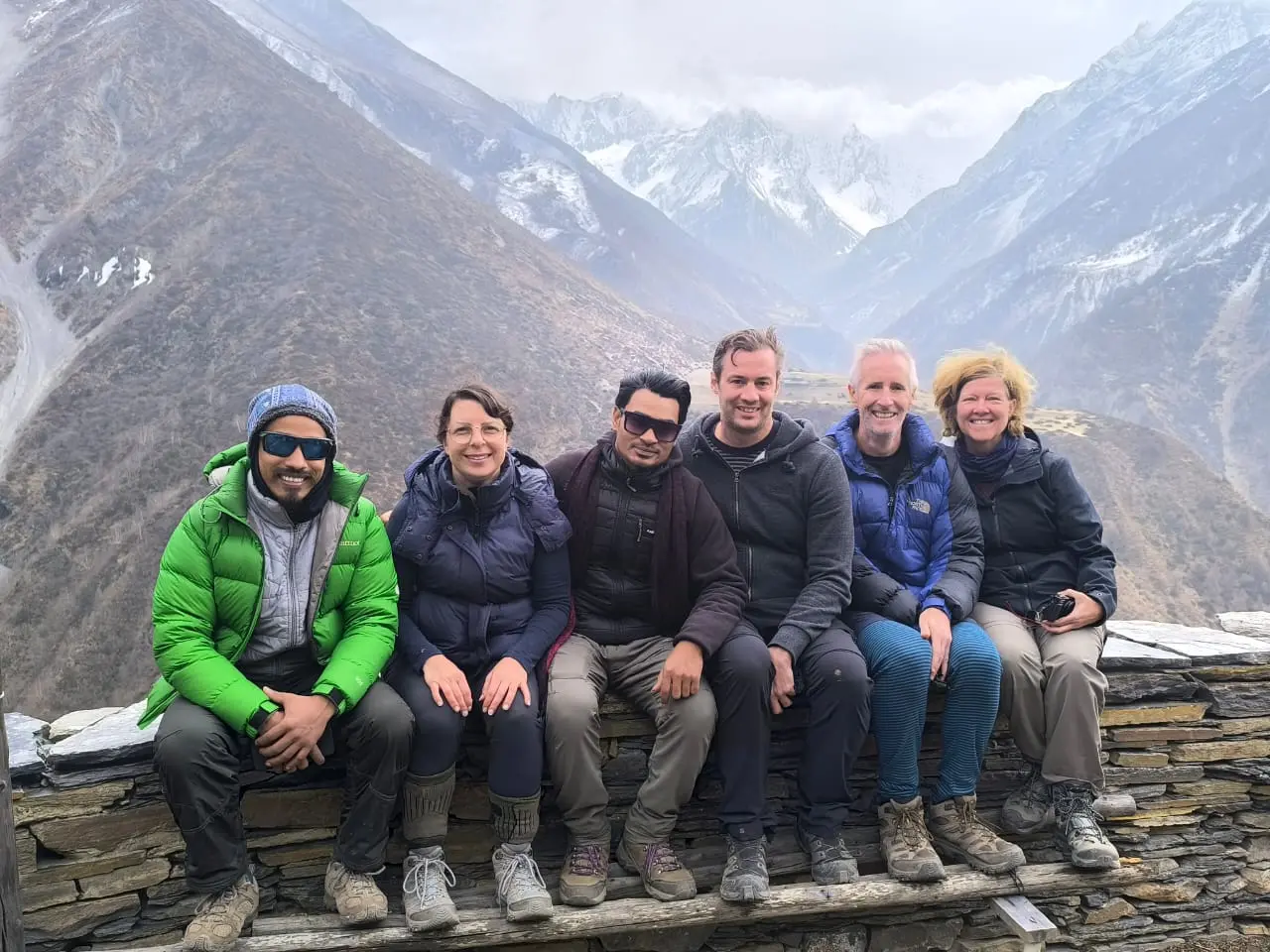
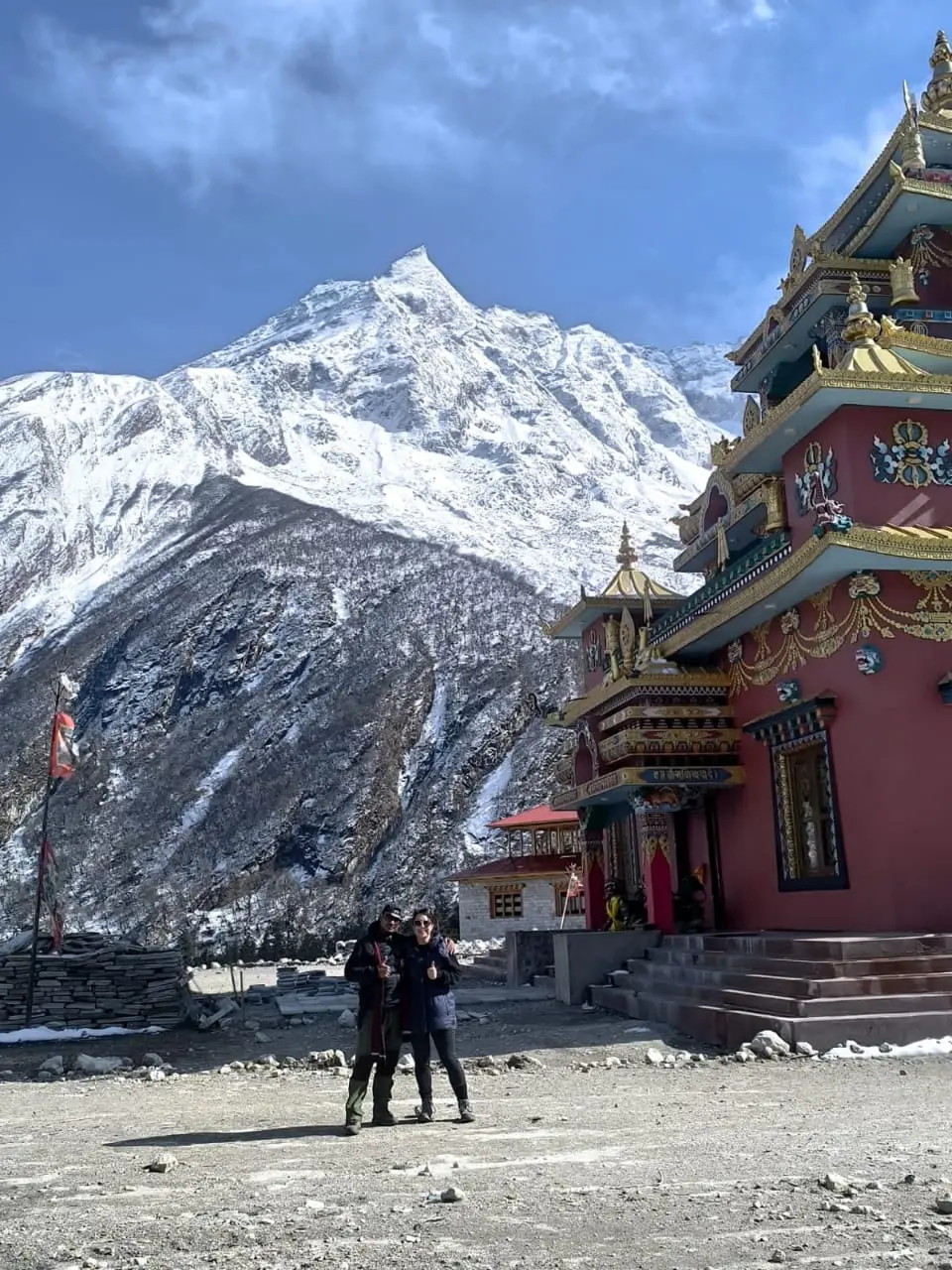
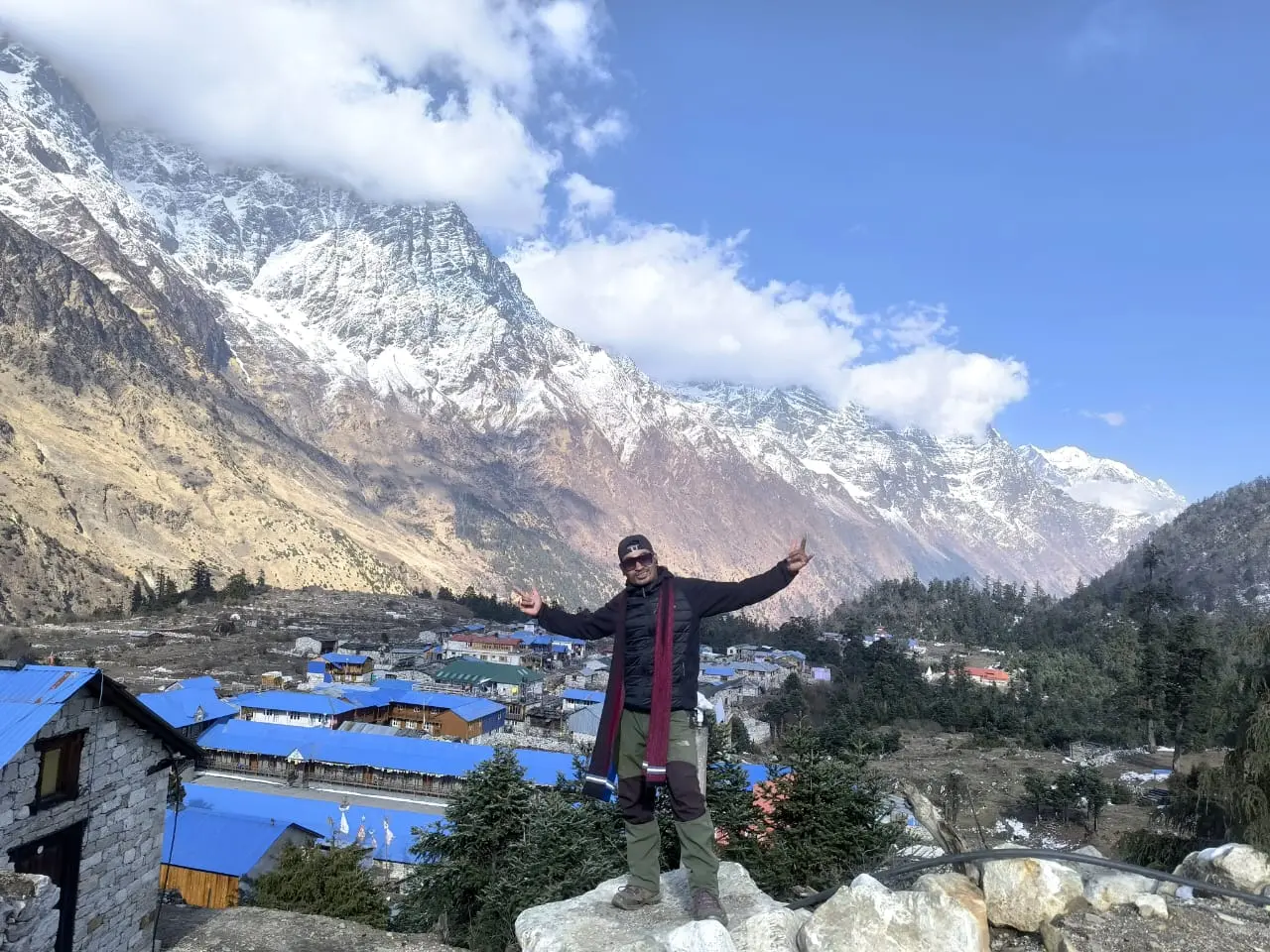
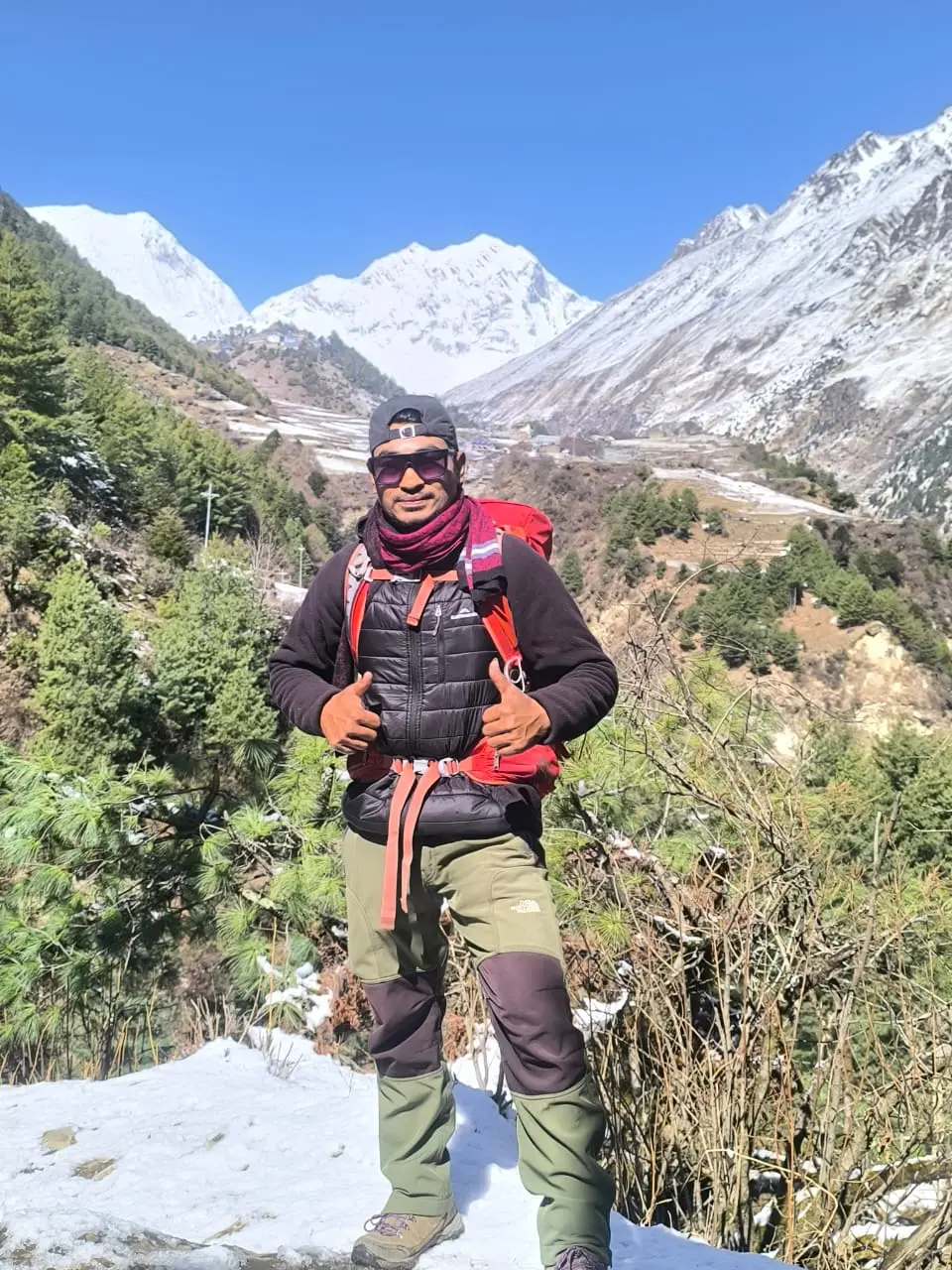
The Manaslu Tsum Valley Trek is a culturally rich and visually stunning journey that combines the remote Tsum Valley with the dramatic Manaslu Circuit. Tsum Valley, often referred to as the “Hidden Valley of Happiness,” was restricted to outsiders until 2008 and remains one of Nepal’s least-explored trekking destinations. This region offers a deep dive into ancient Tibetan Buddhist culture, with sacred monasteries, meditation caves, and remote villages that feel frozen in time. When paired with the Manaslu Circuit, the trek becomes a once-in-a-lifetime adventure, offering a perfect blend of rugged mountain terrain and spiritual discovery. Hidden Path Treks & Expeditions specializes in guiding trekkers through this mystical journey with care, cultural sensitivity, and deep local knowledge.
The combined trek typically takes 20 to 24 days, depending on the pace, acclimatization days, and whether side trips are included. Hidden Path Treks & Expeditions usually offers a 22-day itinerary, which allows for a gradual ascent, meaningful cultural interactions, and time to explore key highlights like Mu Gompa and the Larke La Pass (5,160m). The longer duration allows trekkers to fully appreciate the isolation and serenity of Tsum Valley before rejoining the dramatic Manaslu trail.
The Manaslu Tsum Valley Trek is a moderate to strenuous trek due to its remote nature, high altitude, and extended duration. While technical climbing isn't required, trekkers should be physically fit and prepared for long walking days, steep ascents, and basic accommodation. Hidden Path Treks & Expeditions ensures all trekkers follow a well-paced itinerary with proper acclimatization, and our experienced guides are trained in high-altitude safety and wilderness first aid.
Yes, multiple permits are required due to the restricted status of the area. These include the Manaslu Restricted Area Permit (RAP), Tsum Valley Special Permit, Manaslu Conservation Area Permit (MCAP), and Annapurna Conservation Area Permit (ACAP). You must also travel with a registered guide and be in a group of at least two trekkers. Hidden Path Treks & Expeditions takes care of all permits and government documentation, so you don’t have to worry about the paperwork.
The best time for this trek is during the spring (March to May) and autumn (late September to November) seasons. These months offer clear skies, moderate temperatures, and dry trails. Spring brings blooming rhododendrons and alpine flowers, while autumn provides crisp air and spectacular mountain views. While winter and monsoon seasons are less ideal, some experienced trekkers choose early winter for solitude and snow-dusted landscapes. Hidden Path Treks & Expeditions operates treks during peak and shoulder seasons with itinerary adjustments for weather and trail conditions.
Accommodation during the Manaslu Tsum Valley Trek is in local teahouses, which are simple but hospitable lodges run by villagers. Rooms are basic, typically with twin beds and shared bathrooms. In Tsum Valley, facilities can be more rustic, but the cultural experience is deeply rewarding. Meals include traditional Nepali dishes like dal bhat (rice, lentils, and vegetables), as well as Tibetan bread, noodles, soups, and momos. Hidden Path Treks & Expeditions ensures we use trusted teahouses with clean facilities and safe food handling, supporting the local economy directly.
Yes, altitude is a factor as the trek reaches above 5,000 meters at the Larke Pass and involves gradual ascents over several days. Altitude sickness is a real risk, which is why Hidden Path Treks & Expeditions carefully structures the itinerary to include acclimatization days in places like Sama Gaon and Mu Gompa. Our guides are trained in AMS (Acute Mountain Sickness) awareness, and we carry essential medical kits and communication equipment for emergencies. Staying hydrated, trekking slowly, and listening to your guide are crucial to staying safe.
You should begin training 6–8 weeks in advance, focusing on endurance, leg strength, and cardiovascular fitness. Hiking with a loaded backpack, walking uphill, and practicing long-duration hikes will help condition your body for the trek. If possible, do high-altitude hikes before your trip. Hidden Path Treks & Expeditions offers customized preparation advice and gear checklists to help you arrive confident and ready.
At Hidden Path Treks & Expeditions, we are passionate about off-the-beaten-path adventures and authentic Himalayan experiences. Our deep local roots in the Manaslu region give us an edge in creating meaningful connections with the communities you’ll visit. Our team of licensed guides, friendly porters, and dedicated coordinators ensures your safety, comfort, and satisfaction throughout the journey. We focus on small groups, ethical tourism practices, and personalized service — qualities that set us apart in the trekking industry.
While the Manaslu and Tsum regions require a minimum of two trekkers, Hidden Path Treks & Expeditions can help pair solo travelers with others or offer customized group options to meet permit requirements. Many solo trekkers find it rewarding to share the experience with like-minded adventurers, and we take care to match travelers with compatible trek partners where possible.