We start early with a scenic drive from Kathmandu to Syange, passing through the bustling town of Besisahar. The journey takes about 7 to 9 hours along winding mountain roads, offering views of terraced hills, river valleys, and rural Nepalese life. Syange is a small town at the gateway of the Annapurna region and the starting point for our trek. Overnight stay at a local lodge.
Today we embark on the trek, following the Marsyangdi River upstream. The trail passes through subtropical forests, charming villages, and terraced fields. Trekking through the peaceful countryside, you’ll experience authentic rural Nepali culture and stunning landscapes. Dharapani is a quiet village where we stay overnight at a lodge.
The trail steadily climbs today, weaving through pine forests and crossing several suspension bridges. As we ascend, the air becomes crisper, and the scenery shifts toward alpine landscapes. Chame is the district headquarters of Manang and offers spectacular views of surrounding peaks. The village features comfortable lodges and teahouses for our overnight stay.
Continuing our trek, we head towards Pisang, known for its traditional Tibetan-style village and impressive mountain vistas. The path passes through forests and open lands, gradually gaining altitude. Pisang offers the perfect opportunity to witness the blend of Nepali and Tibetan cultures in its monasteries and homes. Overnight at a lodge in Pisang.
Today is a longer trekking day as we make our way to Manang, a major stop in the Annapurna region. The trail ascends through alpine meadows, past yak pastures and mani walls, with stunning views of Annapurna and Gangapurna peaks. Manang is a bustling village with various lodges, bakeries, and internet facilities, perfect for rest and preparation. Overnight at a lodge.
To help your body adjust to the higher altitude, we take a rest day in Manang. You can explore nearby sites such as the Gangapurna Lake or hike to viewpoints for breathtaking mountain panoramas. This day is vital for acclimatization to avoid altitude sickness during the climb. Your guide will also use this day to brief you about the upcoming climbing days. Overnight at the same lodge.
The trail today takes us higher into the alpine zone, with less vegetation and more rugged terrain. Yak Kharka is a small settlement known for its grazing yaks and stunning views of the Annapurna range. The trek is relatively moderate but the altitude will start to make a noticeable difference. Overnight at a lodge in Yak Kharka.
We trek further into the mountains towards the base camp of Chulu West Peak. The trail becomes rocky and more challenging, with breathtaking close-up views of the peak we plan to climb. At base camp, you’ll find a temporary camp setup with tents. This marks the start of your high-altitude climbing adventure. Overnight in tents.
Today’s hike is a gradual but steady climb to High Camp, situated higher up on the mountain. The air is thin, so it’s important to pace yourself and stay hydrated. High Camp offers a strategic location to rest and prepare for the summit push. The camp is equipped with tents and basic facilities. Overnight in tents.
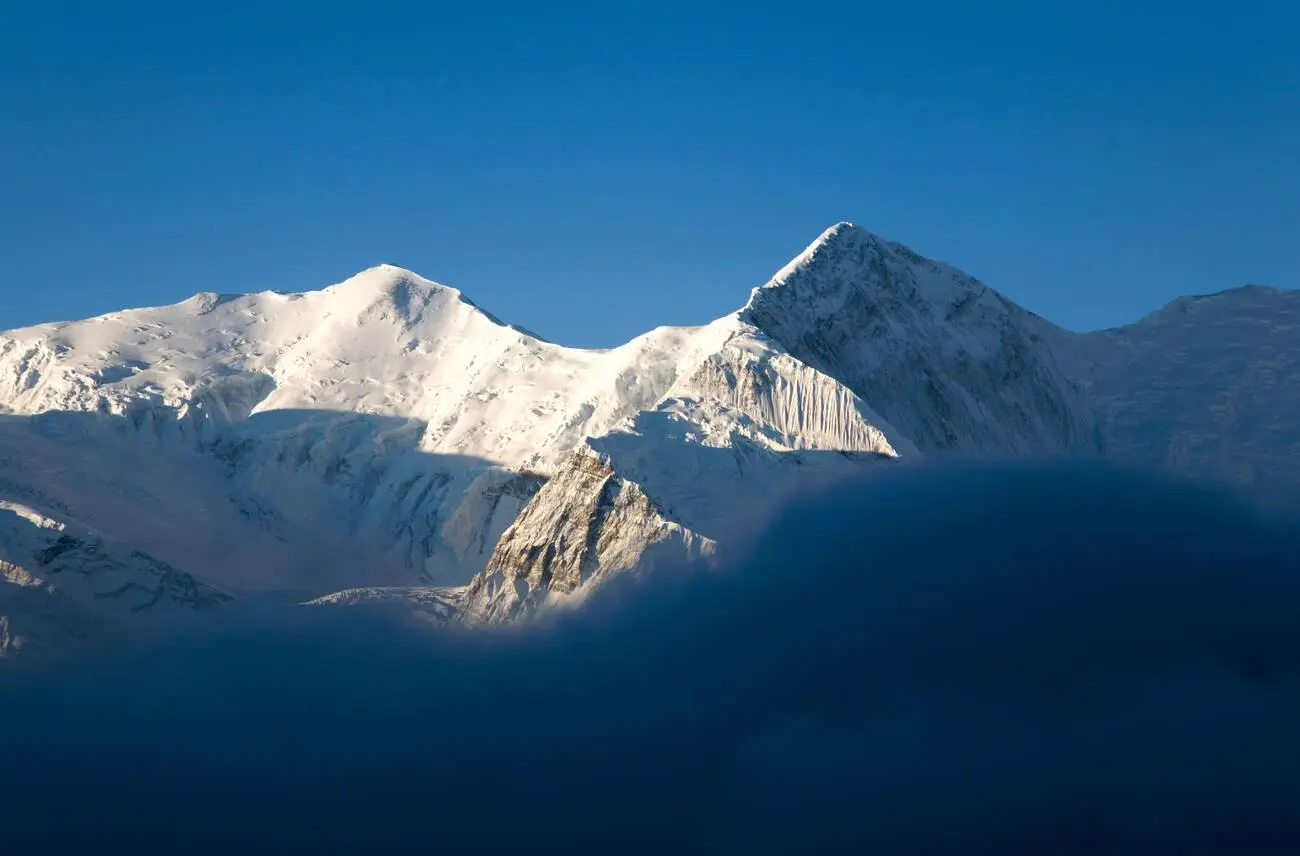
Summit day begins very early, often before dawn. You will climb carefully with your guide over snow, ice, and rocky terrain to reach the summit of Chulu West Peak (6,419m). On reaching the top, take in the awe-inspiring views of the Annapurna and Manaslu ranges. After celebrating your achievement, descend safely back to Base Camp for rest and recovery. Overnight in tents at Base Camp.
We descend from base camp towards Thorong La Phedi, the starting point for crossing the famous Thorong La Pass. The trail passes through high alpine terrain with stunning views of glaciers and peaks. Prepare for an early start tomorrow as the pass crossing will be demanding. Overnight at a lodge in Thorong La Phedi.
We start early to cross Thorong La Pass, the highest point on the Annapurna Circuit. This challenging trek rewards you with panoramic views and the thrill of accomplishment. After the pass, we descend to the sacred pilgrimage town of Muktinath, known for its temple and holy springs. Overnight at a lodge in Muktinath.
Today’s trek descends further into the semi-arid Mustang region. Passing through Kagbeni, a culturally rich village, we continue to Jomsom, the administrative center of Mustang. Jomsom offers amenities and a chance to relax before the final stages of the journey. Overnight at a lodge.
We take a short but scenic flight from Jomsom to Pokhara, flying between the towering Annapurna and Dhaulagiri mountains. Upon arrival in Pokhara, you will be transferred to your hotel where you can unwind and enjoy the beautiful lakeside city. Overnight at a hotel in Pokhara.
After breakfast, we embark on a picturesque drive back to Kathmandu. The journey takes around 6 to 7 hours, following river valleys and quaint villages. Arriving in Kathmandu, enjoy your last evening in Nepal with a farewell dinner or some sightseeing. Overnight at a hotel in Kathmandu.
Today marks the end of your incredible Chulu West Peak adventure. A Hidden Path Treks & Expeditions representative will transfer you to Tribhuvan International Airport for your onward flight. We hope you leave Nepal with unforgettable memories and a deep connection to the Himalayas.
Chulu West Peak, standing at 6,419 meters (21,066 feet), is one of the most sought-after trekking peaks in Nepal’s Annapurna region. Known for its challenging but non-technical climb, it offers breathtaking panoramic views of the Annapurna massif, Dhaulagiri, Manaslu, and other Himalayan giants. Hidden Path Treks & Expeditions provides a comprehensive 17-day expedition that combines scenic trekking through culturally rich villages with an exciting alpine climb, making it ideal for climbers seeking a rewarding Himalayan adventure.
Chulu West is considered a moderate to challenging trekking peak. Although it is non-technical, the climb involves steep snow and ice slopes, requiring climbers to be physically fit and comfortable with the use of mountaineering equipment such as crampons, ice axes, and fixed ropes. Hidden Path Treks & Expeditions provides thorough climbing training at base camp to prepare climbers, making it suitable for those with some trekking experience and a willingness to learn mountaineering basics.
The trek begins with a flight to Pokhara followed by a drive to Chame or Manang, the gateway to the Annapurna region. The route takes trekkers through picturesque villages like Chame, Pisang, and Manang, along with stunning landscapes of alpine meadows and rugged mountain passes. After arriving at the Chulu Base Camp, climbers undergo acclimatization and training before attempting the summit from the high camp. The itinerary also includes rest days for acclimatization and contingency days for weather or health issues, all carefully planned by Hidden Path Treks & Expeditions.
During the trekking phase, accommodations are primarily in teahouses and lodges, which offer basic but comfortable lodging with heating and hot showers available at some stops. For the climbing days above base camp, climbers stay in tented camps equipped with essential facilities and receive nourishing meals to sustain energy. The menu includes typical Nepali dishes such as dal bhat, noodles, soups, and high-calorie alpine meals prepared by experienced cooks to support climbers.
Climbing Chulu West Peak requires several permits, including the Annapurna Conservation Area Permit (ACAP), Trekking Information Management System (TIMS) card, and the Chulu West Climbing Permit issued by the Nepal Mountaineering Association. All permits are handled and included by Hidden Path Treks & Expeditions to simplify your journey.
Altitude sickness is a potential risk given that the climb reaches over 6,000 meters. Hidden Path Treks & Expeditions emphasizes gradual acclimatization, health monitoring, and safety protocols. Guides are trained in recognizing and managing altitude sickness and carry first-aid equipment, including oxygen and pulse oximeters. The itinerary incorporates rest days and flexible timing to allow your body to adjust safely.
The package covers airport transfers, domestic flights, accommodation, meals during trek and climb, permits, experienced climbing guides and porters, climbing equipment rental, camping gear, and government taxes. Exclusions typically include international airfare, personal travel insurance, personal gear, tips, and extras like Wi-Fi or hot showers. Hidden Path Treks & Expeditions provides detailed information to help you prepare.
The best climbing seasons are spring (March to May) and autumn (September to November). During these periods, the weather is stable, skies are clear, and conditions on the mountain are optimal for climbing. Winter is possible but extremely cold and more challenging, while the monsoon season is generally avoided due to heavy rains and avalanche risk.
Essential gear includes mountaineering boots (B2/B3 rated), crampons, ice axe, climbing harness, helmet, down jacket, insulated gloves, gaiters, layered clothing, and a warm sleeping bag. Hidden Path Treks & Expeditions offers a comprehensive gear checklist and assistance with gear rental or purchase in Kathmandu to ensure you’re fully prepared.
Hidden Path Treks & Expeditions combines local expertise, personalized service, and a strong commitment to safety and responsible tourism. Their experienced guides are skilled in mountaineering and high-altitude rescue techniques, ensuring your climb is safe and enjoyable. The company also prioritizes sustainable trekking practices and supports local communities, making your journey meaningful beyond just the summit experience.