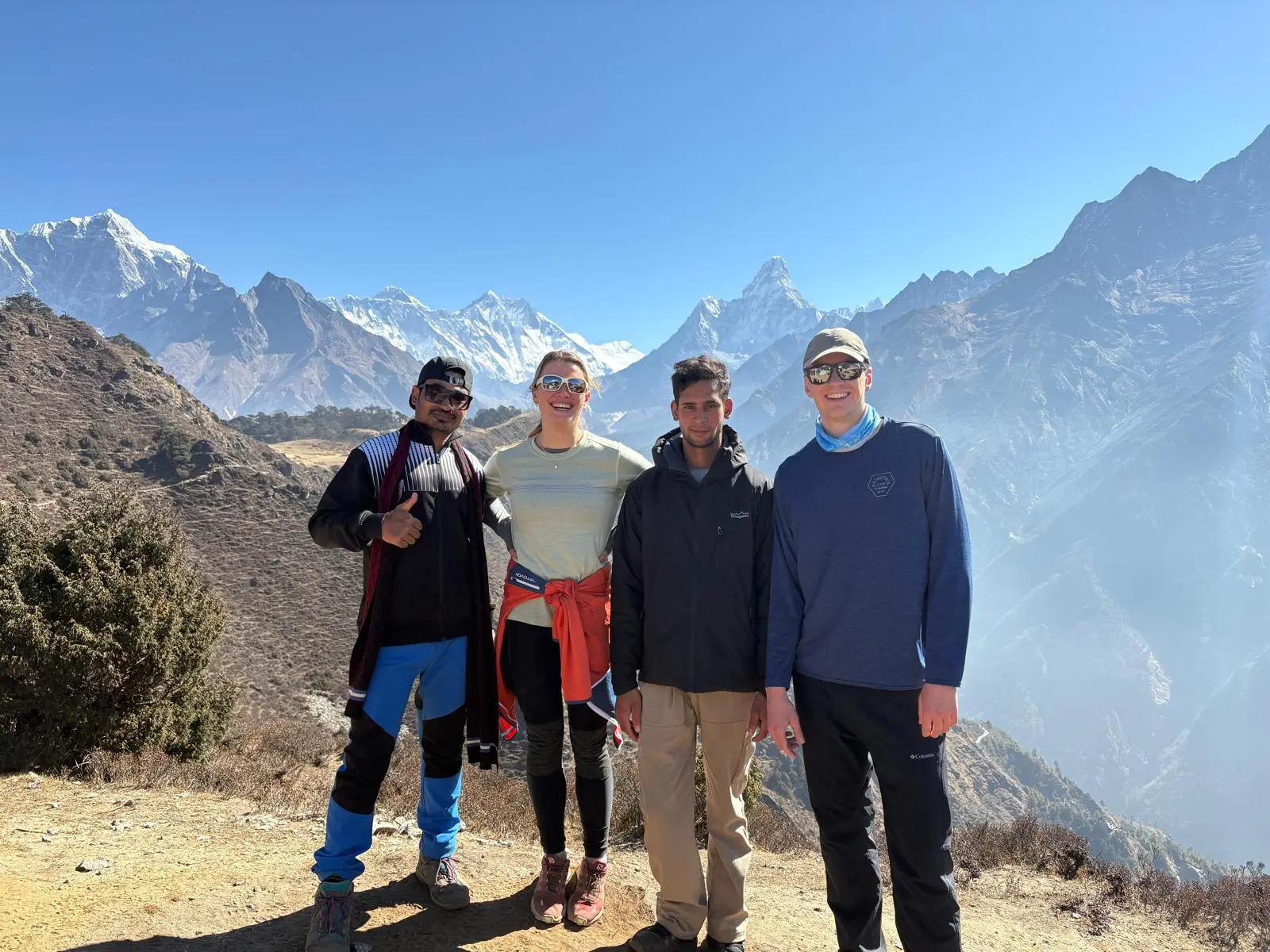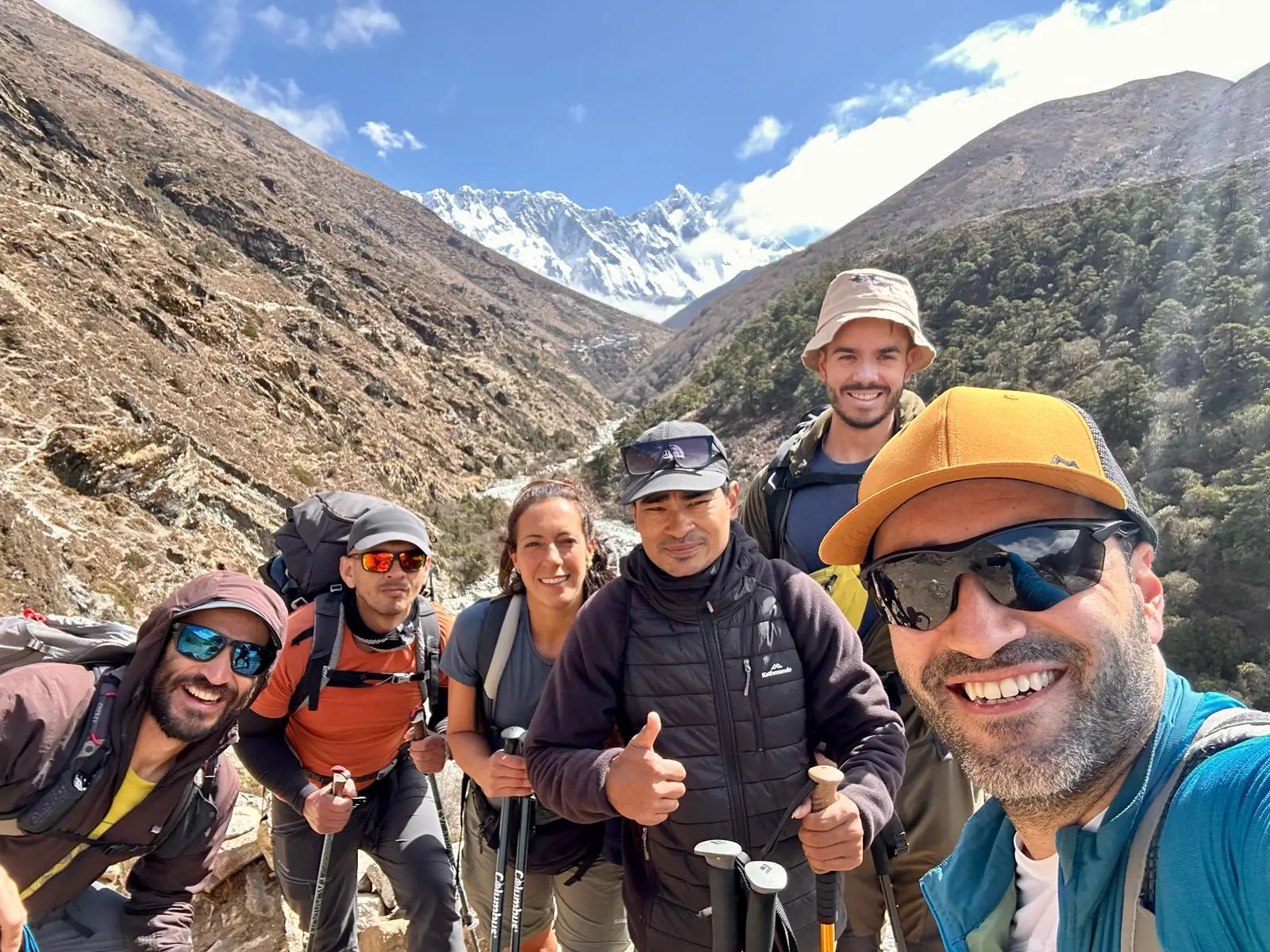
Upon arrival at Tribhuvan International Airport, a representative from Hidden Path Treks & Expeditions will warmly welcome you and transfer you to your hotel in the heart of Kathmandu. You can rest after your flight or take a brief walk through the vibrant streets of Thamel. In the evening, you’ll meet your trekking guide for a short briefing on the adventure ahead.
Today is reserved for cultural exploration and trek preparation. You'll visit UNESCO World Heritage Sites such as Swayambhunath (Monkey Temple), Pashupatinath, and Boudhanath. In the afternoon, Hidden Path Treks & Expeditions will assist you with a final gear check, ensuring you have everything necessary for the trek.
An early morning scenic flight to Lukla kicks off the trek. After meeting the porters, you’ll begin your journey with a gentle descent through pine forests to the village of Phakding, nestled beside the Dudh Koshi River. This initial trek offers a chance to ease into the trail and acclimate gradually.
Following the Dudh Koshi upstream, you'll cross several suspension bridges, including the iconic Hillary Bridge. The trail climbs steeply before reaching Namche Bazaar, the bustling Sherpa capital. On clear days, you’ll catch your first glimpse of Everest along the way.
To acclimatize to the altitude, today includes a short hike to the Everest View Hotel or the village of Khumjung. The day also allows time to explore Namche’s shops, bakeries, and the Sherpa Culture Museum. Staying active while resting is essential for proper acclimatization.
Today’s trail winds along ridgelines with stunning views of Everest, Ama Dablam, and Lhotse before descending to the river and then climbing to the spiritual center of Tengboche. The Tengboche Monastery, the largest in the Khumbu region, offers a peaceful and scenic backdrop for the night.
Descend through rhododendron forests to Debuche and cross the Imja Khola, then ascend past Pangboche to Dingboche. Surrounded by fields and stone walls, Dingboche is a high-altitude farming village and a popular rest point for trekkers and climbers.
To help the body adjust to the higher elevation, today includes a hike to Nangkartshang Peak (5,083 m), offering panoramic views of Makalu and Ama Dablam. After the hike, relax in Dingboche, enjoying the comforts of the teahouse and warm hospitality.
A short walk to Chhukung is followed by an optional but rewarding climb up Chhukung Ri. This peak offers spectacular views of the surrounding Himalayan giants. The hike is challenging but crucial for acclimatization before the first high pass.
Start early to tackle the first of the three passes: Kongma La. The steep ascent and glacier crossings reward you with dramatic views of the Khumbu Glacier and surrounding peaks. After crossing the pass, descend carefully to reach Lobuche for the night.
Trek to Gorak Shep, your last stop before Everest Base Camp. After a brief rest, continue along the moraine to reach the legendary Everest Base Camp. The Khumbu Icefall and surrounding glaciers make this a highlight of the trek. Return to Gorak Shep for overnight.
An early morning ascent of Kala Patthar provides the best panoramic view of Everest, Nuptse, and Pumori. After soaking in the sunrise and snapping unforgettable photos, descend to Gorak Shep for breakfast and retrace your steps to Lobuche.
Leave the main Everest trail and take a quiet and scenic route to Dzongla, a small settlement at the base of the Cho La Pass. The trail offers beautiful views of Cholatse and Taboche peaks along the way.
Today’s early start is essential for a safe crossing of Cho La, the second of the three passes. After navigating the icy trail and glacier, descend into the Gokyo Valley. Gokyo is situated beside a stunning turquoise lake, offering a peaceful and surreal atmosphere.
A rest day in Gokyo includes a climb of Gokyo Ri (5,357 m), a famous viewpoint with unparalleled vistas of Everest, Cho Oyu, and the Ngozumpa Glacier. Later, explore the 4th and 5th Gokyo Lakes, pristine and often overlooked natural wonders.
Your final high pass awaits: Renjo La. The ascent is steady and scenic, with rewarding views from the top. After the pass, descend through yak pastures and small stone huts to reach the quiet village of Lumde, a hidden gem in the region.
Continue descending through the remote Bhote Koshi Valley until you reconnect with the main trail to Namche. This long descent brings you back to the comforts and lively atmosphere of Namche Bazaar, where a hot shower and good food await.
Retrace your steps along the Dudh Koshi River, crossing several familiar bridges and villages until you reach Lukla. Celebrate the completion of your epic trek with your team from Hidden Path Treks & Expeditions over a farewell dinner.
Catch an early morning flight back to Kathmandu. After checking into your hotel, the day is yours to relax, shop for souvenirs, or explore more of the city. In the evening, enjoy a farewell dinner hosted by Hidden Path Treks & Expeditions.
After breakfast, a representative from Hidden Path Treks & Expeditions will transfer you to the airport for your onward journey. Depart with unforgettable memories and the achievement of completing one of the world’s most iconic treks.
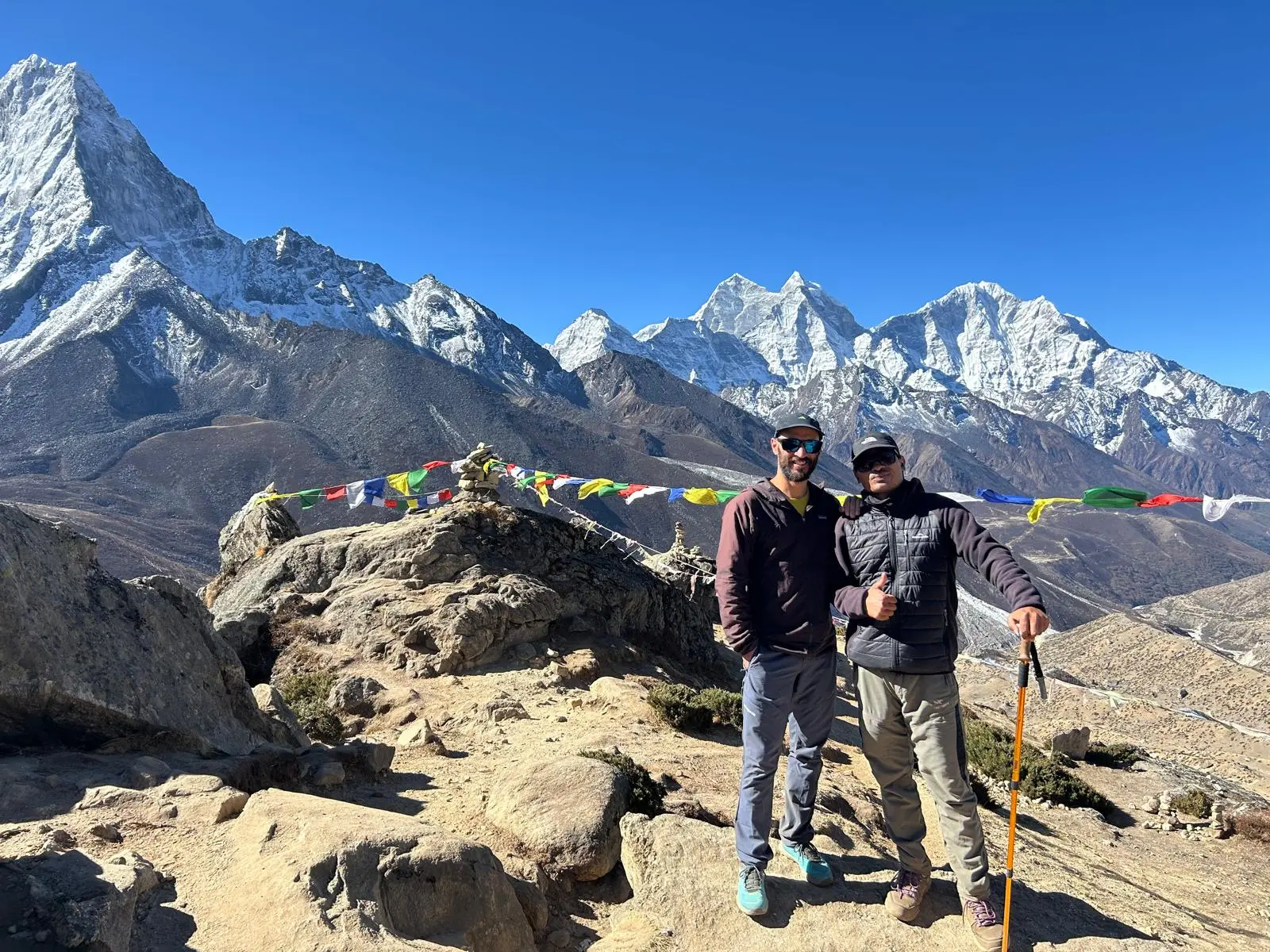
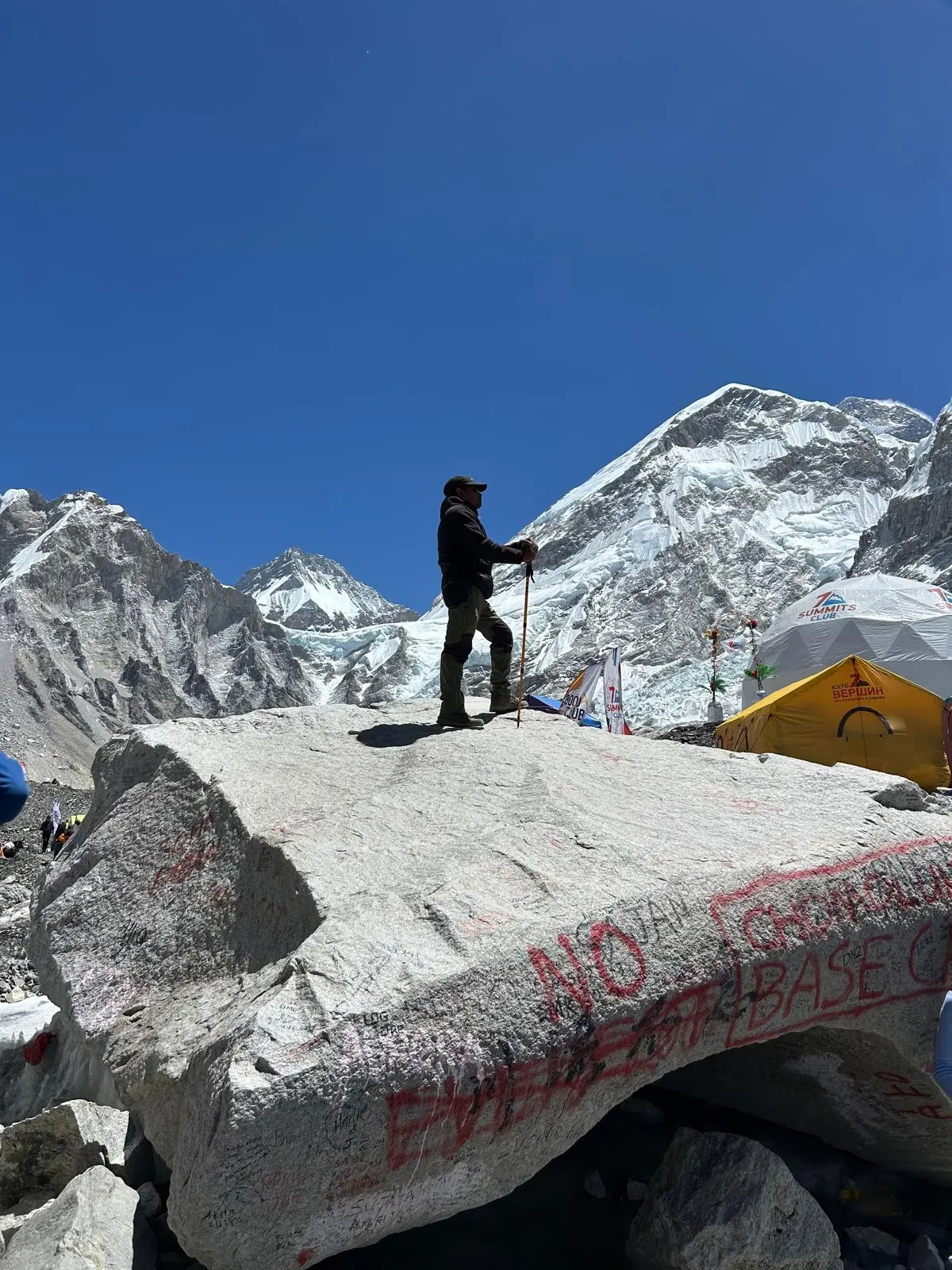
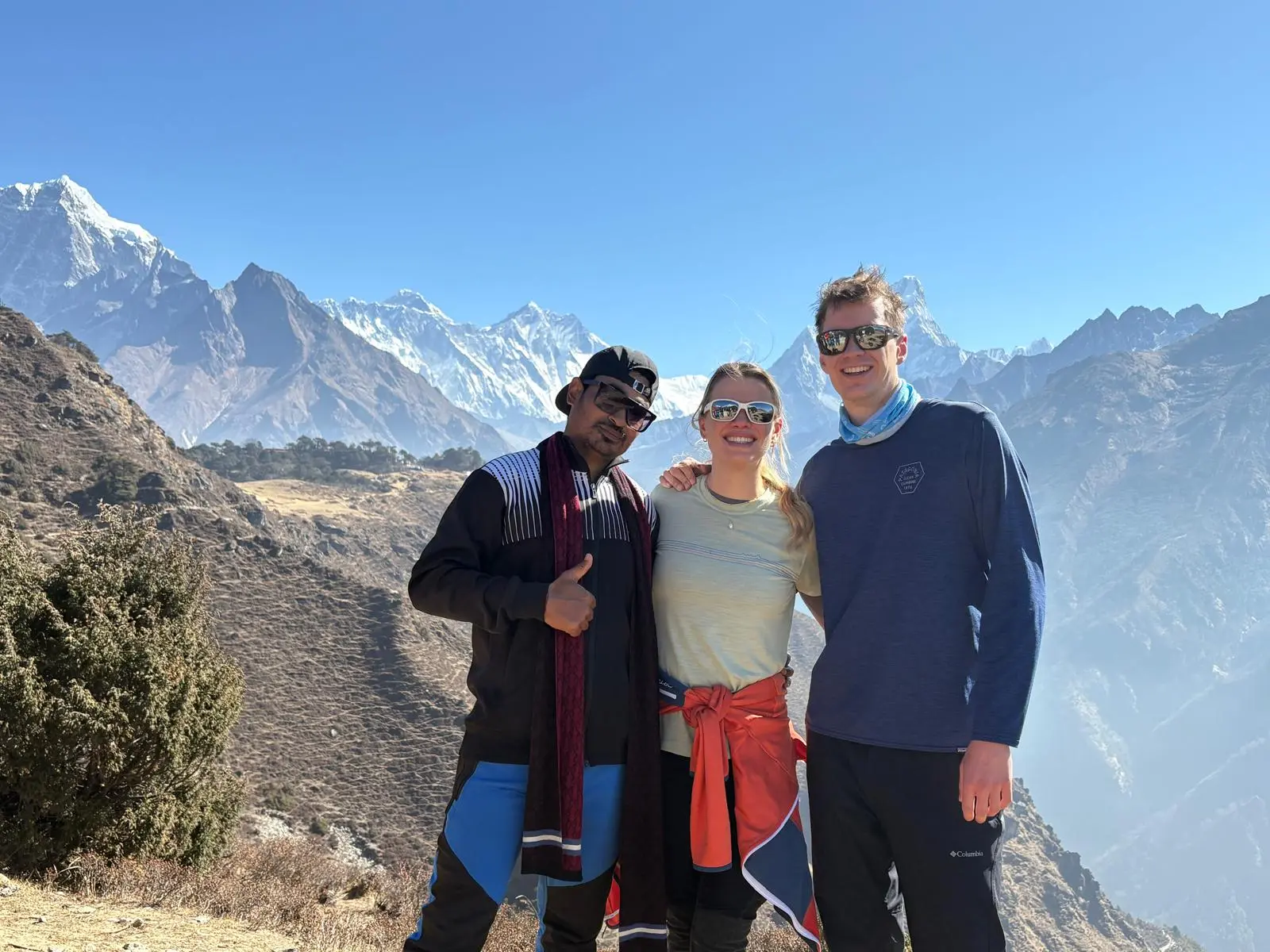
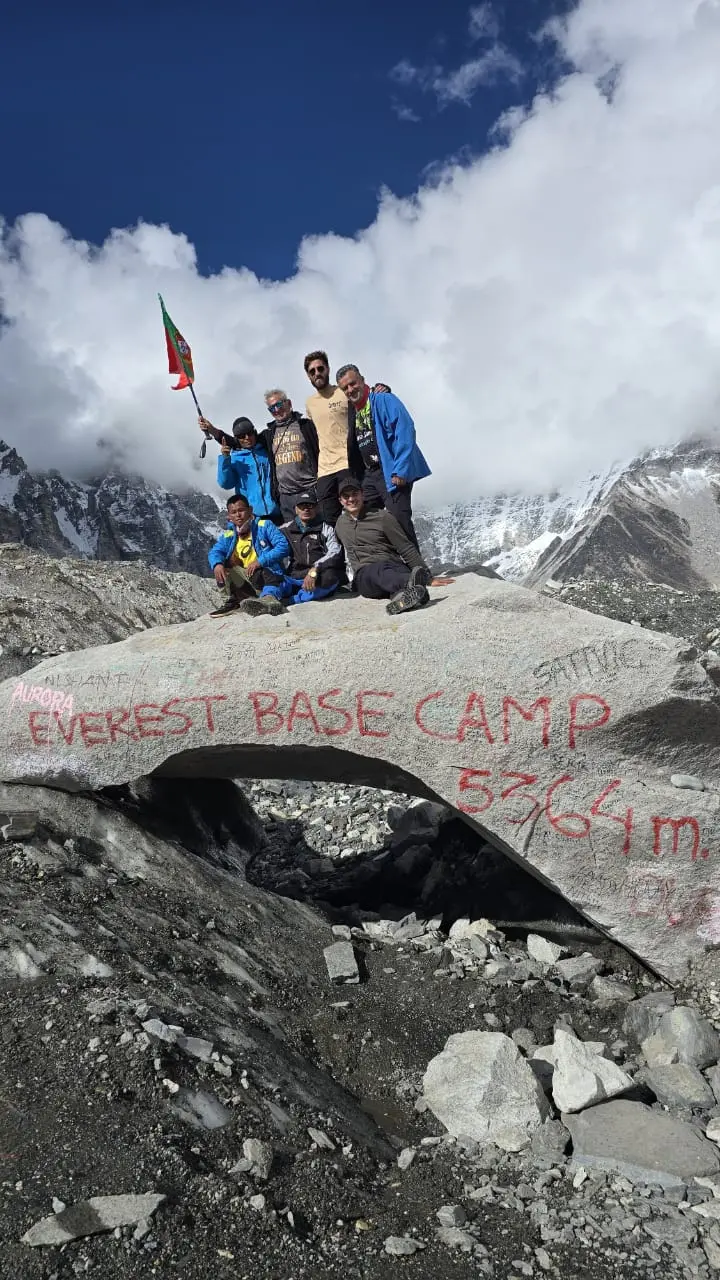
The Everest Three Pass Trek is a challenging and comprehensive trek in the Everest region, ideal for trekkers seeking adventure beyond the classic Everest Base Camp trail. This route crosses three high mountain passes—Kongma La (5,535m), Cho La (5,420m), and Renjo La (5,360m)—linking the main Everest trail with remote valleys and stunning viewpoints. It offers panoramic views of peaks like Everest, Lhotse, Makalu, Ama Dablam, and Cho Oyu. With Hidden Path Treks & Expeditions, you'll experience dramatic alpine landscapes, glaciers, remote Sherpa villages, and iconic landmarks, all in one epic circuit.
The full trek typically takes around 18 to 21 days, depending on your pace, acclimatization needs, and any side trips (such as Everest Base Camp or Gokyo Lakes). Hidden Path Treks & Expeditions can tailor the itinerary based on your fitness, experience, and time availability, while ensuring safety and sufficient acclimatization.
The best trekking seasons are spring (March–May) and autumn (September–November). During these months, the weather is relatively stable, and the skies are clear, offering ideal conditions for crossing high passes and enjoying uninterrupted mountain views. Winter is extremely cold and not ideal for pass crossings, while monsoon season (June–August) brings heavy rain and poor visibility.
This trek is considered very challenging and is best suited for experienced trekkers with good physical conditioning. The combination of long trekking days, remote terrain, and high-altitude passes demands stamina, mental resilience, and preparation. Hidden Path Treks & Expeditions ensures that all clients are properly briefed, equipped, and supported by trained guides throughout the journey.
Kongma La Pass (5,535m) – The highest and most remote pass. It connects Chhukung with Lobuche and offers wild terrain and exceptional views of the Khumbu Glacier and surrounding peaks.
Cho La Pass (5,420m) – Connects Dzongla with Gokyo. A glacier-covered, steep route, but the views of Ama Dablam and Cholatse are breathtaking.
Renjo La Pass (5,360m) – Connects Gokyo with Thame. It's a stunning route offering expansive views of the Gokyo Lakes and Everest massif, and is often considered the most scenic of the three.
Accommodation is in teahouses—simple mountain lodges run by local Sherpa families. The rooms are basic but clean, with twin beds and shared facilities. Meals include dal bhat (lentil soup with rice), pasta, noodles, soup, eggs, and occasionally Western dishes. Hidden Path Treks & Expeditions works with reliable lodges that maintain hygiene, warmth, and friendly service.
Due to the remoteness and technical nature of the trek, a guide is highly recommended, and a porter is strongly advised to help manage the physical demands. Hidden Path Treks & Expeditions provides experienced, English-speaking guides and reliable porters to ensure your journey is safe, informed, and enjoyable. Our guides are trained in first aid and altitude-related illness management.
For the Everest Three Pass Trek, you’ll need:
Sagarmatha National Park Permit
Khumbu Pasang Lhamu Rural Municipality Permit
These are included in our trekking packages. Hidden Path Treks & Expeditions will manage all permit applications for you, saving you time and effort.
This trek involves crossing multiple passes above 5,000 meters, so altitude sickness is a real risk. Our itineraries include strategic acclimatization days in Namche Bazaar, Dingboche, and Gokyo. Hidden Path Treks & Expeditions prioritizes your health by monitoring symptoms daily, offering medical support when needed, and maintaining flexibility to adjust the route for your safety.
You’ll need gear suitable for extreme altitudes and changing weather: layered clothing, a down jacket, waterproof outerwear, thermal base layers, gloves, a warm hat, sturdy trekking boots, crampons or microspikes (for icy passes), a quality sleeping bag (-15°C), and a headlamp. Hidden Path Treks & Expeditions provides a full packing list and can assist with rentals in Kathmandu.
Yes! The Everest Three Pass Trek naturally includes both Everest Base Camp and Gokyo Lakes as part of the circular route. You'll also summit Kala Patthar (5,545m)—one of the best viewpoints of Everest. Hidden Path Treks & Expeditions ensures you make the most of your time in the Khumbu by helping you plan the perfect combination of sights and experiences.
Yes, Hidden Path Treks & Expeditions welcomes both solo travelers and private groups. Solo trekkers can join fixed group departures to share the journey, while private groups enjoy more customization. No matter your group size, we guarantee personalized service, experienced guides, and a well-organized itinerary.
Booking is simple. Contact us through our website, email, or WhatsApp to get started. We’ll discuss your preferred dates, fitness level, and trekking goals, and tailor a package that suits you. With Hidden Path Treks & Expeditions, you get expert guidance, responsive service, and a trekking experience that balances challenge, safety, and adventure.