Upon arrival at Tribhuvan International Airport in Kathmandu, a representative from Hidden Path Treks & Expeditions will greet you and transfer you to your hotel. After checking in, you can relax and recover from your flight. In the evening, you will attend a short briefing session where your guide will go over the trek details, check your gear, and answer any last-minute questions. This is also a great time to explore the vibrant Thamel neighborhood for some last-minute shopping or a traditional Nepali dinner.
Early in the morning, you'll take a scenic 30-minute flight to Lukla (2,840m), the gateway to the Everest region. The flight offers breathtaking views of the Himalayas and a thrilling landing at one of the world’s most unique mountain airports. Upon arrival, you’ll meet your local porter team and begin the trek. The trail descends gradually through charming Sherpa villages and lush forested paths along the Dudh Koshi River to reach the small settlement of Phakding. The day’s walk is short and ideal for acclimatization.
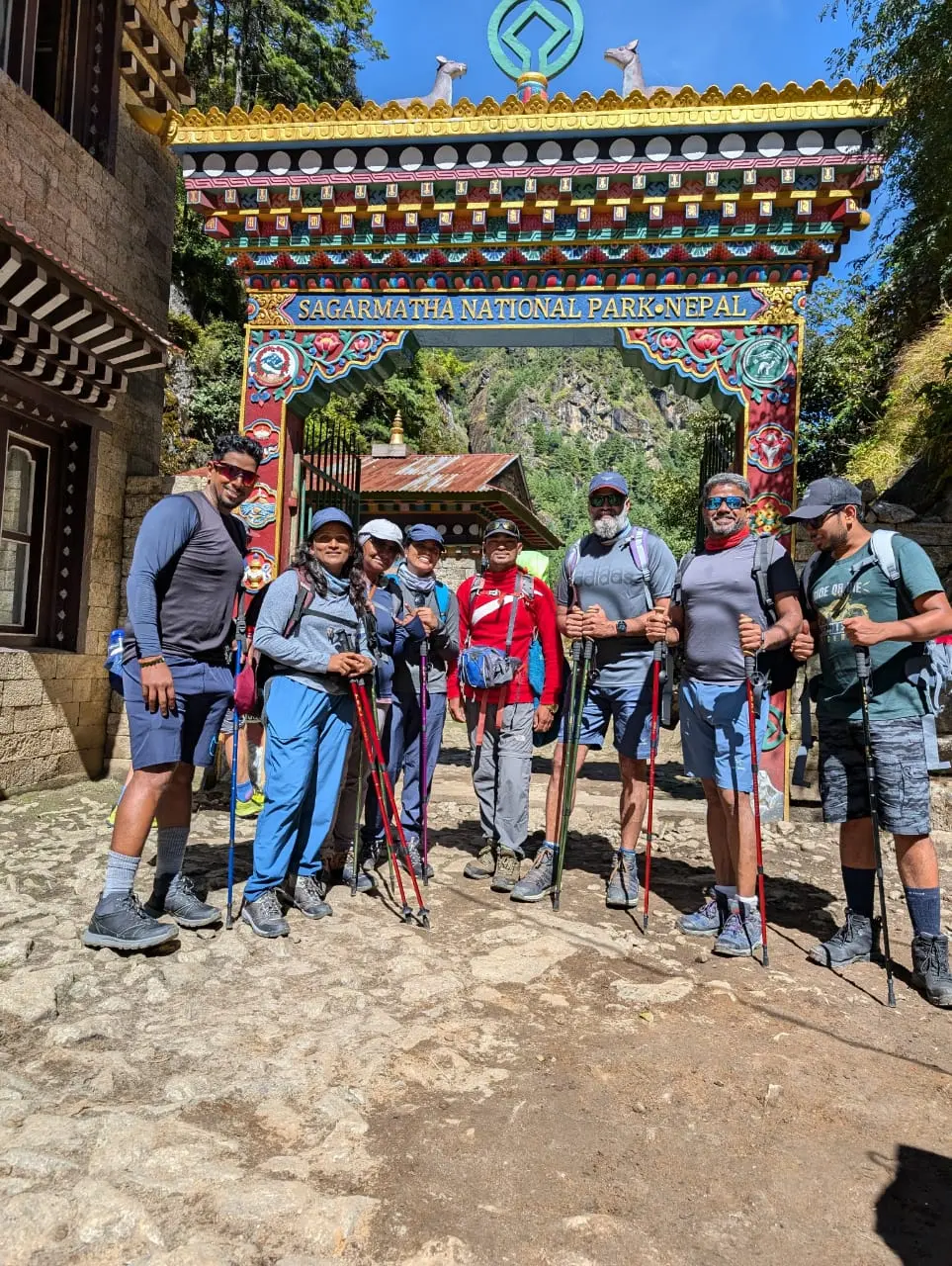
After breakfast, the trail continues north through beautiful pine forests and across several suspension bridges. You’ll enter Sagarmatha National Park at Monjo and begin a steady climb through the gorge of the Dudh Koshi. The final stretch includes a challenging uphill hike to Namche Bazaar, the bustling heart of the Khumbu region. As you gain altitude, the first glimpses of Everest and other snow-capped peaks come into view. Namche Bazaar is the perfect place to acclimate and enjoy the Sherpa culture, cafes, and local markets.
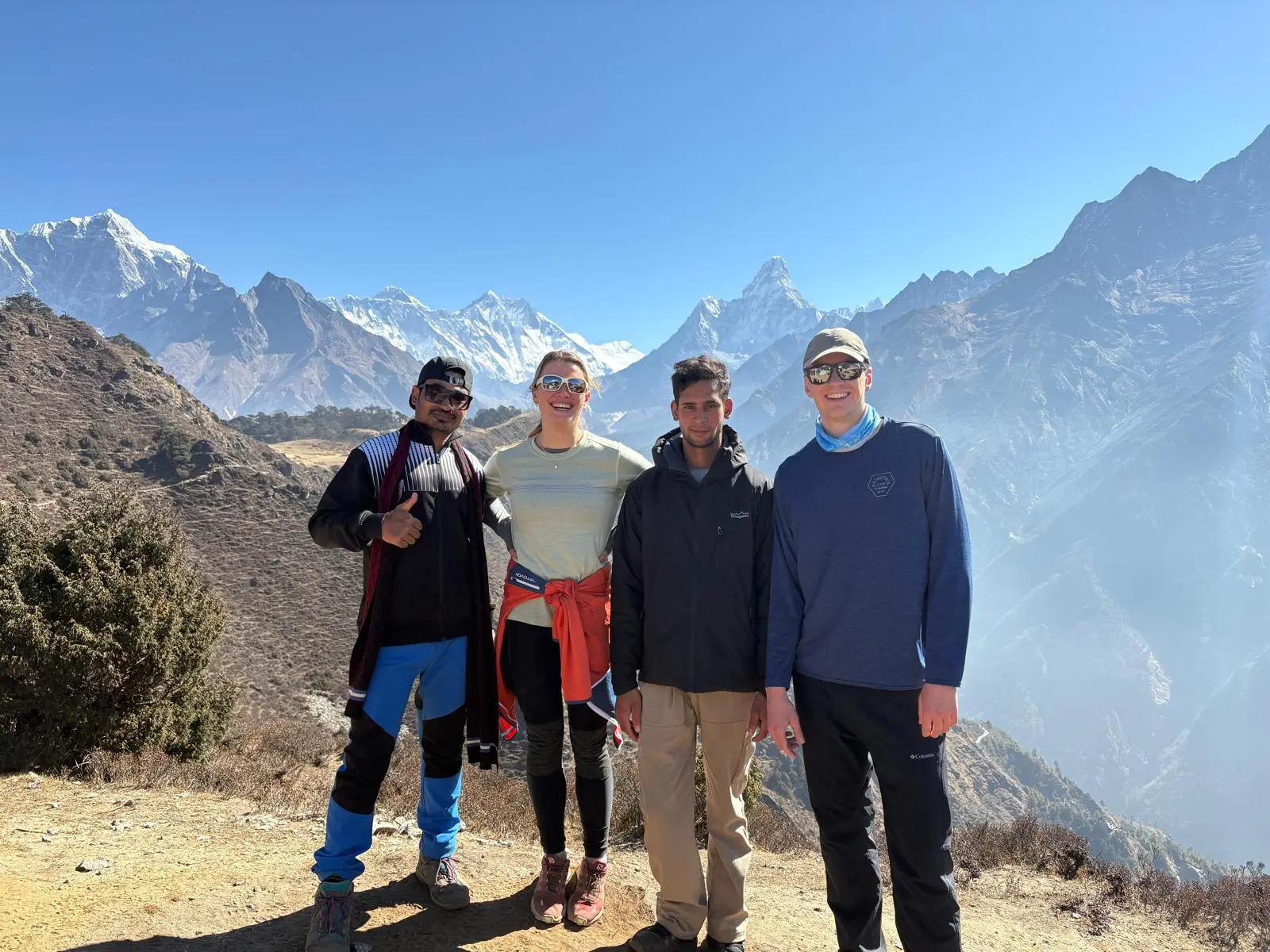
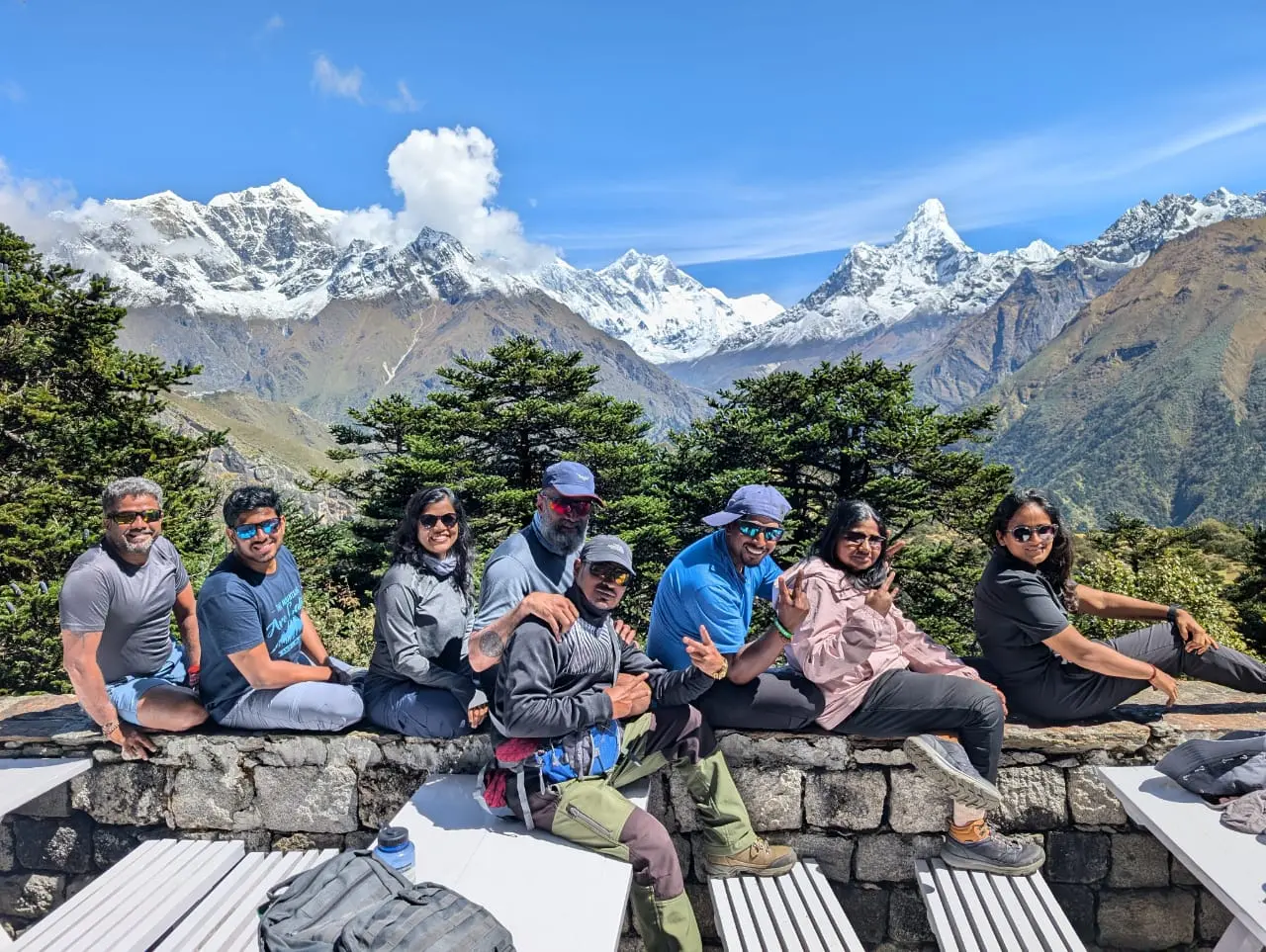
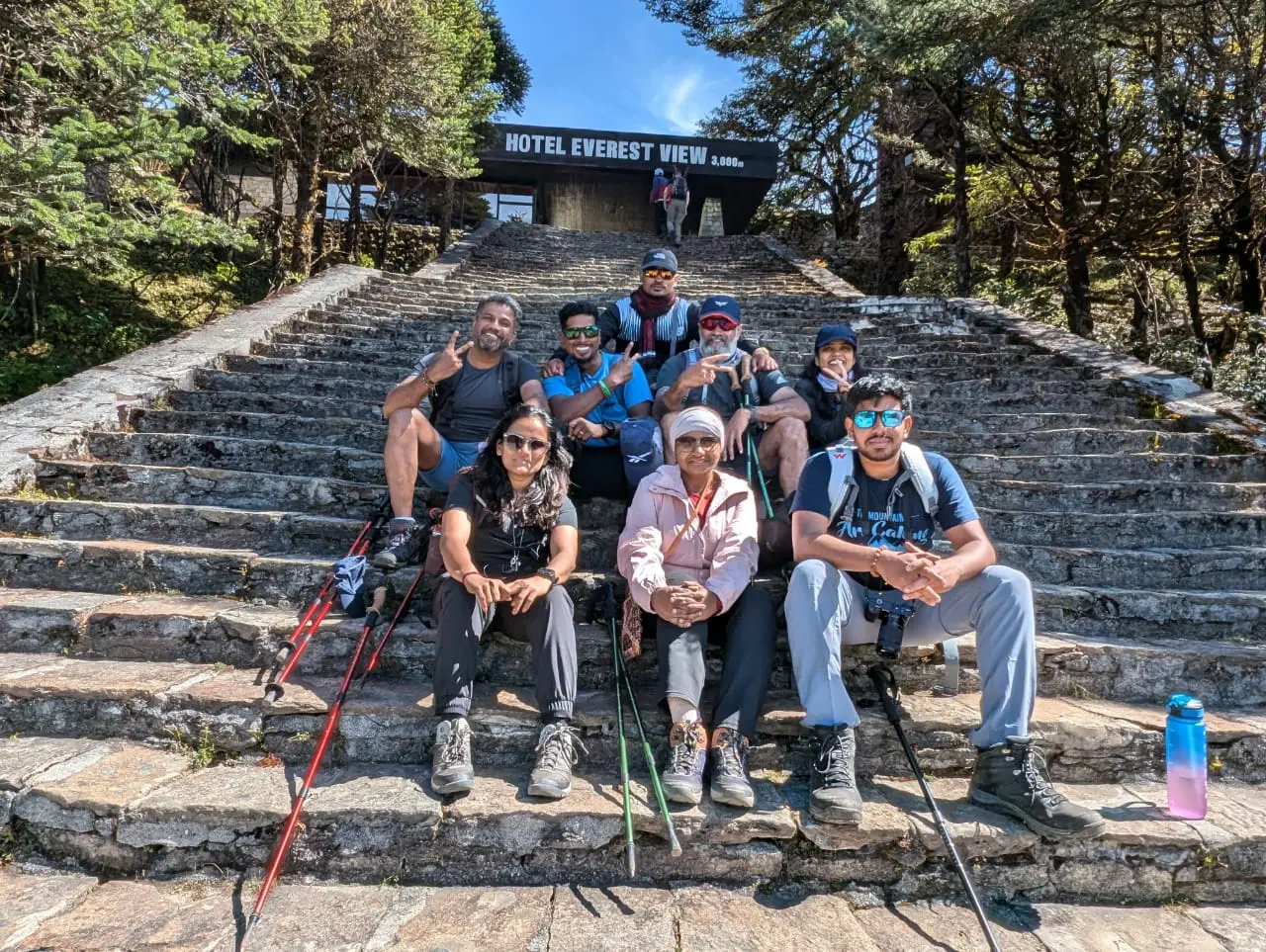
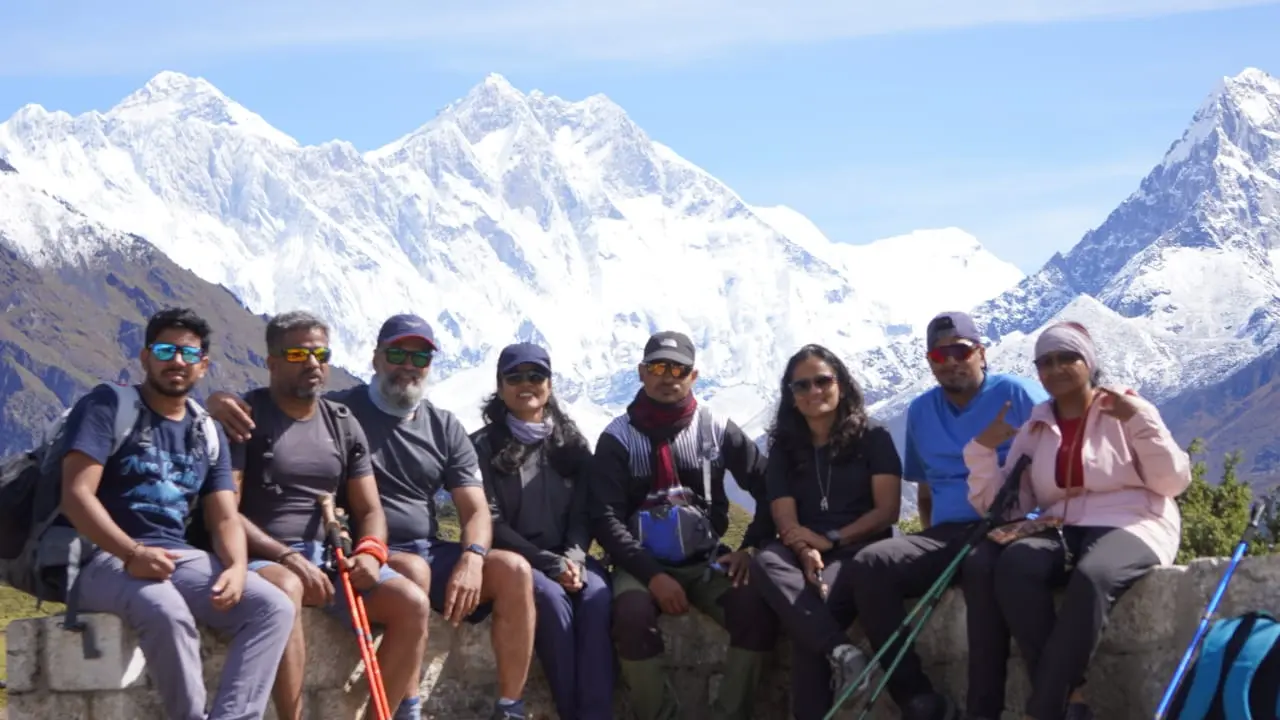
Today is an acclimatization day, and you’ll take a rewarding hike to the Everest View Hotel, one of the highest luxury hotels in the world, offering panoramic views of Mt. Everest, Lhotse, Ama Dablam, and Thamserku. After enjoying a cup of tea with a view, you'll visit the traditional Sherpa villages of Khumjung and Khunde. These villages offer a glimpse into Sherpa life and include highlights such as the Khumjung Monastery, which houses a purported Yeti scalp, and the Hillary School established by Sir Edmund Hillary. You’ll return to Namche by afternoon and rest for the evening.
After breakfast, you'll begin your return journey by retracing the trail back to Lukla. The descent passes through familiar villages like Monjo, Phakding, and several suspension bridges. The walk is easier now, but still offers beautiful scenery and a chance to reflect on your Himalayan adventure. Once in Lukla, you'll celebrate the successful completion of your trek with your team and enjoy your final night in the Khumbu region.
In the morning, you'll take a return flight from Lukla to Kathmandu. Upon arrival, you'll be transferred to your hotel. The rest of the day is free for you to relax or explore more of Kathmandu’s cultural treasures, such as the ancient temples and bustling marketplaces. You might also enjoy a farewell dinner with your guide or do some souvenir shopping in Thamel.
Your short but unforgettable journey to Everest Base Camp comes to an end. A representative from Hidden Path Treks & Expeditions will transfer you to Tribhuvan International Airport for your flight home. Depart with cherished memories of the majestic Himalayas and the warmth of the Sherpa culture.
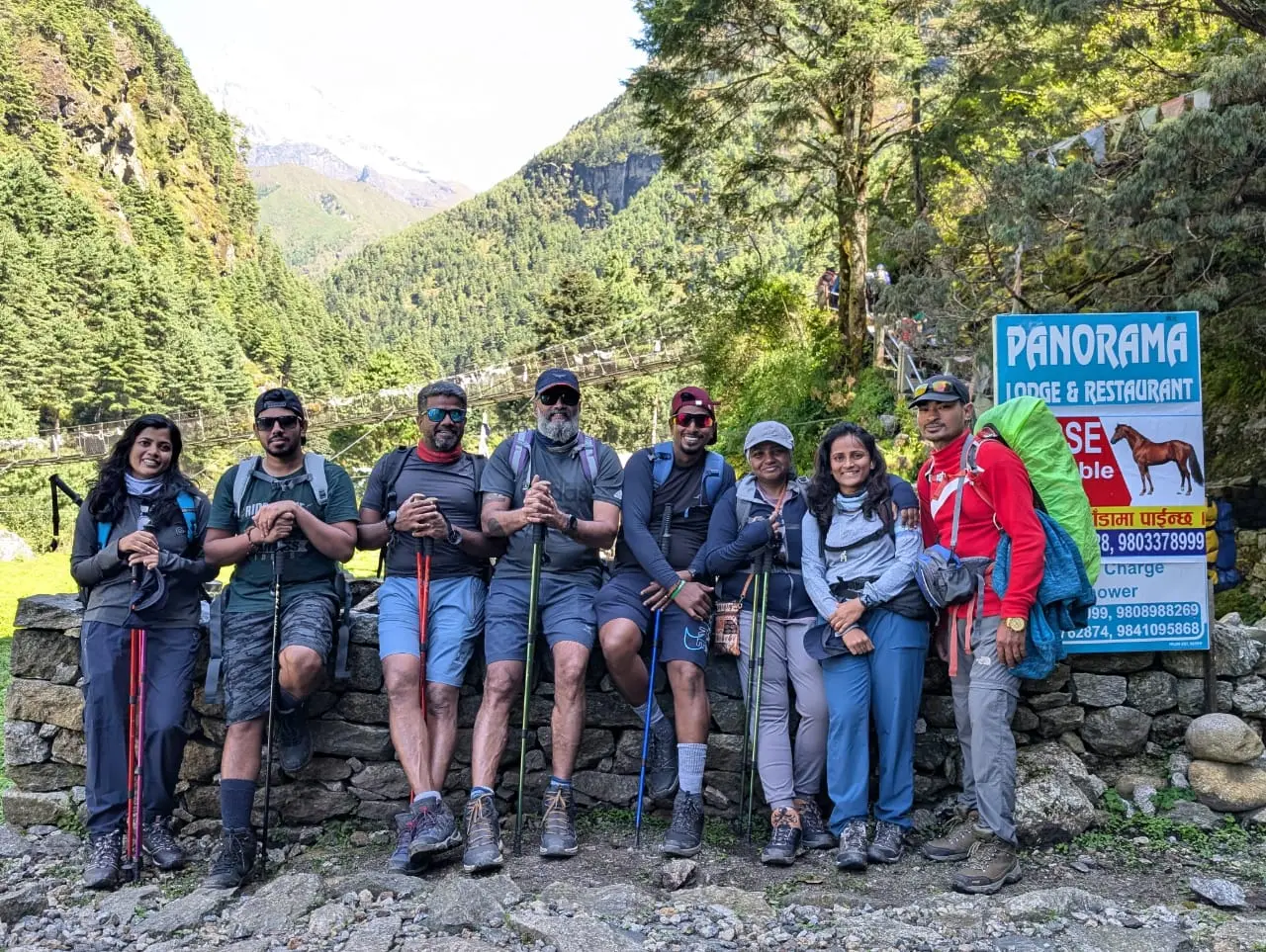
The Everest Base Camp Short Trek is a condensed version of the traditional Everest Base Camp journey, specially crafted for trekkers with limited time who still want to experience the grandeur of the Himalayas. While the classic trek typically takes 12–14 days, the short trek completes the round trip in about 9–10 days without compromising the core highlights, including Namche Bazaar, Tengboche Monastery, and the legendary Everest Base Camp itself. Hidden Path Treks & Expeditions designs this itinerary with smart acclimatization and experienced guides to ensure safety and success despite the tighter schedule.
Yes, the short version of the Everest Base Camp trek is suitable for beginners with good physical fitness and mental preparedness. While previous trekking experience is beneficial, it’s not mandatory. However, since the trek involves daily walks of 5–7 hours at high altitudes, a basic level of cardiovascular fitness and stamina is recommended. Hidden Path Treks & Expeditions provides pre-trek guidance and support to help you prepare physically and mentally for the journey.
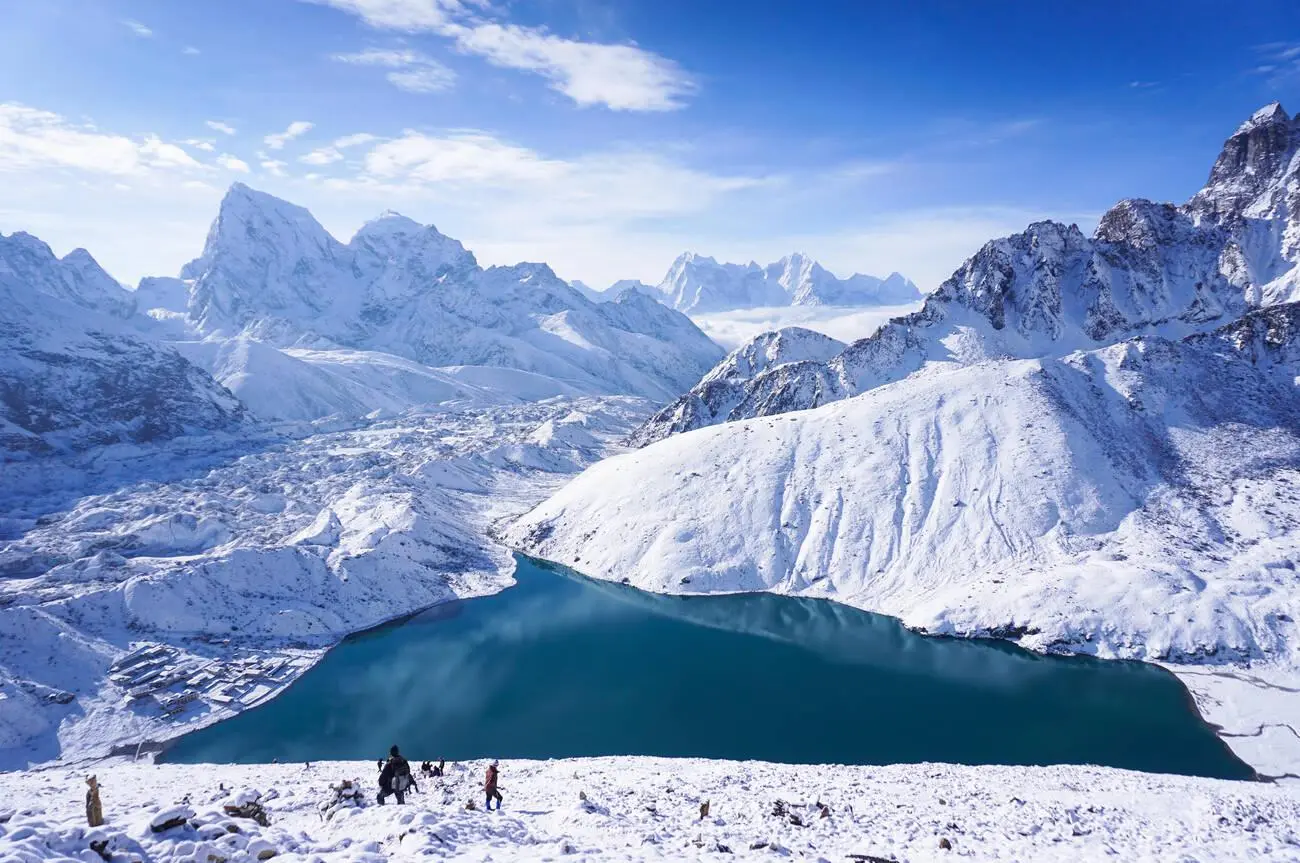
The trek is considered moderately challenging due to the altitude rather than the terrain itself. The highest point is Kala Patthar at 5,545 meters (18,192 ft), and proper acclimatization is key to a safe and enjoyable experience. The short trek maintains a faster pace, so you should be prepared for longer walking hours and fewer acclimatization days. Hidden Path Treks & Expeditions has a strong safety record, and our guides are trained in high-altitude response, ensuring you're supported every step of the way.
Our comprehensive trekking package includes domestic flights (Kathmandu–Lukla–Kathmandu), all necessary permits (including Sagarmatha National Park entry and TIMS), three meals per day during the trek, accommodation in teahouses, a professional English-speaking guide, and a porter (sharing basis). We also provide a detailed pre-trek briefing, emergency first-aid kit, and 24/7 support throughout your journey. Accommodation in Kathmandu and travel insurance are usually not included but can be arranged upon request.
During the trek, you’ll stay in locally owned teahouses that offer basic but comfortable twin-sharing rooms. Most have shared bathrooms, though a few locations may offer hot showers for an extra cost. Meals typically include traditional Nepali dishes like dal bhat, as well as pasta, fried rice, soup, eggs, and Tibetan bread. Hidden Path Treks & Expeditions emphasizes hygiene and nutrition, so we work closely with teahouses known for their quality service and cleanliness.
Essential items include warm layered clothing, a down jacket, thermal base layers, trekking boots, a sleeping bag (rated for -10°C or below), a headlamp, water purification tablets, sun protection, and a basic first-aid kit. A detailed packing list will be provided upon booking. Hidden Path Treks & Expeditions also offers gear rental options in Kathmandu if you’re missing any equipment.
While the short trek moves at a faster pace, Hidden Path Treks & Expeditions places safety as the top priority. Our itineraries are designed with carefully planned ascent profiles, and our guides monitor your health at every stage. We carry pulse oximeters to track oxygen levels, and our staff is trained in altitude sickness protocols. In case of emergencies, helicopter evacuation can be arranged promptly (insurance coverage required). Your safety and well-being are always our number one concern.
The best seasons for the Everest Base Camp Short Trek are pre-monsoon (March to May) and post-monsoon (late September to November). During these months, the skies are clear, the views are stunning, and the trails are in ideal condition. Winter treks are also possible with proper gear, though they require more preparation due to colder temperatures. Hidden Path Treks & Expeditions operates year-round and customizes the trek to your schedule and weather conditions.
Yes, travel insurance is mandatory for this trek. It should cover emergency medical treatment, high-altitude trekking (above 5,000 meters), and helicopter evacuation. Be sure to double-check the coverage details before departure. Hidden Path Treks & Expeditions can provide recommendations for trusted providers and help you understand the necessary coverage.
With years of experience in Himalayan trekking, Hidden Path Treks & Expeditions is known for its personalized service, small group sizes, and deep respect for local communities. Our guides are not only trained professionals but also passionate ambassadors of the region, offering cultural insights and ensuring a meaningful experience. Whether you’re a first-time trekker or a seasoned adventurer, we’re committed to making your Everest dream both achievable and unforgettable.