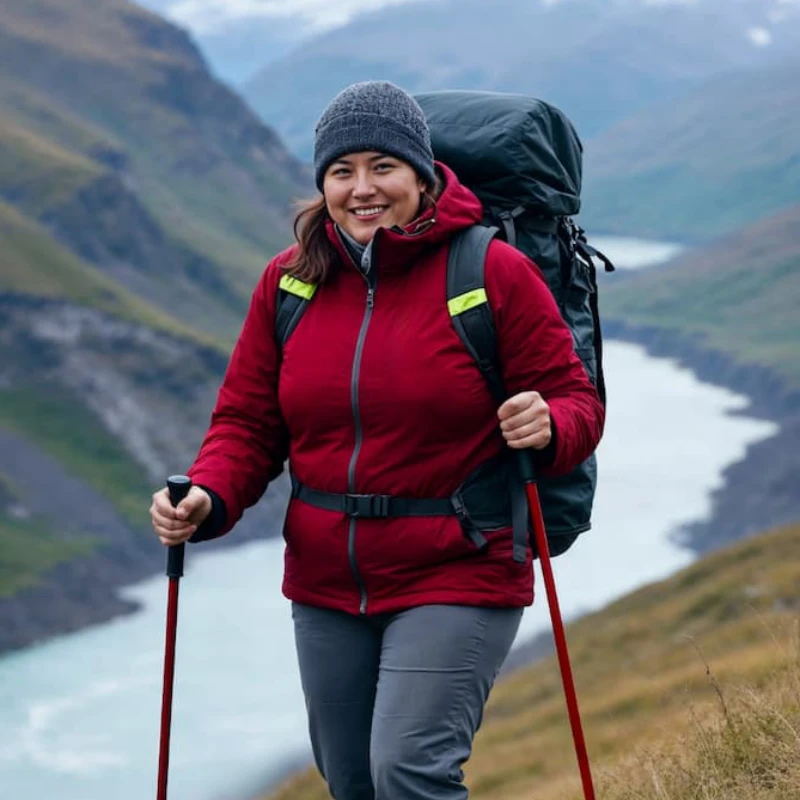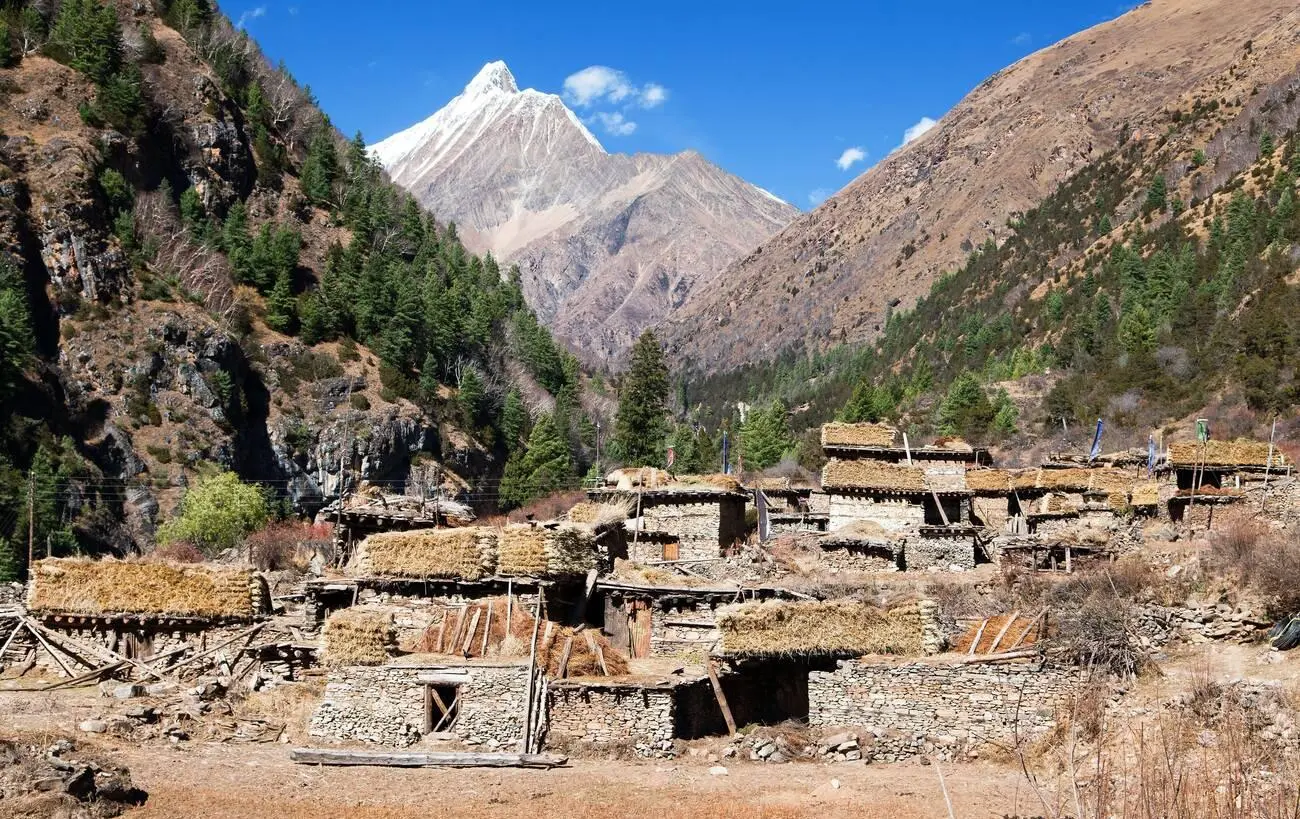
Welcome to Nepal! Upon landing at Kathmandu’s Tribhuvan International Airport, you will be greeted by a representative from Hidden Path Treks & Expeditions and transferred to a centrally located hotel in Thamel. After settling in, enjoy a welcome briefing over tea or coffee, where guides will introduce key team members, present trekking gear, and outline the upcoming journey. You'll have time to explore the vibrant streets of Thamel—perhaps visiting local shops, sampling momo dumplings, or simply soaking in the mountain-treker energy. In the evening, gather for a group dinner featuring traditional Nepali dishes—dal bhat, tarkari, and salad—prepared with mountain hospitality in mind. This relaxed, low-key first day is all about acclimatizing to Kathmandu’s energy and gearing up mentally and logistically for the high-altitude adventure ahead. Lights out early to rest up—tomorrow signals the real beginning of the trek.
Rise early for a guided city tour of Kathmandu’s UNESCO World Heritage Sites. Wander through the spiritual labyrinth of Pashupatinath Temple on the Bagmati River, observe sacred cremation ghats, and learn about Hindu rites. Then stroll through the medieval courtyards of Patan Durbar Square—admiring ancient wood and stone carvings, steeped in Newari culture. You’ll also visit the iconic Boudhanath Stupa, surrounded by fluttering prayer flags and spinning prayer wheels, where monks and locals engage in ritual circumambulation. After a refreshment break at a rooftop café, you’ll head to the airport for an afternoon flight to Nepalgunj (150 min). On arrival, transfer to a comfortable lodge. Nepalgunj is a bustling Terai gateway—warm, humid, and alive with cross-border trade and cultural fusion. Tonight’s dinner and briefing will include last-minute logistics, sleeping bag checks, and your mental prep for tomorrow’s flight into Upper Dolpo.
This morning, you’ll take an early flight from Nepalgunj to Jhupal airstrip—one of the wildest runways in Upper Dolpo. From here, step into the rugged Himalayan terrain and link up with your high-altitude porters and mule team. The trail begins through juniper and birch forests, leading into rocky alpine foothills. As you trek toward Chepkpa, you’ll cross small streams and pass traditional nomad camps. The afternoon light casts the snow-capped peaks in warm hues. By late afternoon, arrive in Chepkpa (2,838 m), greeted by yak-herders and the delicate aroma of pine resin. Camp is set amid stone circles and prayer flags. After settling into your tent, our camp cook will prepare a hearty dinner—soups, rice, lentils, and vegetables—to aid acclimatization. You’ll gather around the stove-sharing stories under star-filled skies, the air crisp and pure. Your guide will lead a brief evening session introducing basic high-altitude camping safety, as the group readies for the longer treks ahead.
Departing Chepkpa after a soul-warming breakfast of tsampa porridge or eggs and oatmeal, you’ll begin a full day of trekking. The trail rises gradually through moraine fields and scattered prayer stones, interspersed with juniper clusters. After two hours, you reach a high ridge, offering your first panoramic views of distant snow-capped Dolpo peaks—Maalekhu, Kanjiroba, and Rakpa to the north. Your guide will explain the region’s geology, flora, and fauna—snow leopard habitat, Himalayan blue sheep, and endemic herbs. A midday lunch break beside a glacier-fed stream allows for rest and photography. The afternoon trek continues uphill, gaining about 200 meters to reach Samduwa village by early evening. Samduwa is a remote settlement dotted with traditional stone homes and mani walls. On arrival, witness the villagers’ daily activities—yak herding, barley fields, and butter tea ceremonies. Dinner is served both in international and local styles, and your guide conducts a short acclimatization walk up the ridge above camp, offering fresh air and a spectacular evening vista before nightfall.
Today’s trek brings you to the legendary Phoksundo Lake, the crown jewel of Upper Dolpo. Departing early, the trail descends to the Phoksundo Khola, then climbs steadily through old-growth forests of birch and rhododendron, alive with birdcalls and occasional takin or blue sheep sightings. Mid-morning arrives at a large viewpoint over the deep turquoise lake—an awe-inspiring sight. The lake, sacred to Tibetan Buddhists and Bon practitioners, lies nestled in a canyon created by glacial movement. You descend into the lakeside valley toward camp, set on a terraced meadow below the western ridge. After pitching tents, you can take a leisurely stroll to the Buddhist village of Ringmo, visiting ancient mani walls and chortens. Your guide will explain the local monastery’s legend and the lake’s origin story. Enjoy dinner in the open-air dinning tent, with the placid lake reflecting the high ridges above. As dusk falls, the scene glows in shades of amber and violet—a truly spiritual moment. Accommodation is in cozy tents or guesthouses, depending on availability.
After a nourishing breakfast, the trail begins by ascending gradually along cascading waterfalls and crossing wooden bridges over rushing rivers. The terrain becomes increasingly dramatic, with sheer cliffs rising on either side. You’ll pass yak pastures and reach a stunning viewpoint before making a steep descent toward the turquoise waters of Phoksundo Lake. Upon arrival, you'll be overwhelmed by its surreal beauty. Tucked beneath jagged limestone cliffs, the lake is a sacred site revered by both Buddhists and Bonpos. Camp is set up near the serene lakeside or in Ringmo village, where time seems suspended. After tea, your guide may lead an optional stroll to the 900-year-old Tshowa Bon Monastery perched above the lake, rich in wood carvings and spiritual iconography. Dinner is served under the open sky with the lake shimmering in moonlight—a perfect end to a magical day.
Today is reserved for acclimatization and exploration. Start with a leisurely breakfast before embarking on a half-day hike around the lake. You’ll visit Ringmo village, a culturally rich settlement that blends Tibetan Buddhist and Bon traditions. Your guide will introduce you to local customs, and if lucky, you'll be invited into a traditional home for yak-butter tea. From here, follow a forested trail to a high ridge for stunning panoramic views of Phoksundo's azure surface set against snow-capped peaks. In the afternoon, explore more of the lakeside, sketch, photograph, or simply relax and breathe in the tranquil energy. A short meditation session can be arranged near the monastery for spiritual recharge. This peaceful rest day not only rejuvenates your body but also provides a deeper connection to the mystical ambiance of Upper Dolpo.
Leaving the serene Phoksundo behind, you trek northward along a narrow trail hugging cliffs above the lake's edge. The trail is carved into the rock face, demanding balance and concentration, but offering unmatched views. Descending to the valley floor, you begin to follow the Phoksundo Khola (river), entering a wild and uninhabited gorge. The landscape is barren yet dramatic—marked by windswept rock formations and cascading streams. You’ll cross several wooden bridges and ford shallow rivers. Midway, you stop for lunch by a crystal-clear tributary. As you walk deeper into Dolpo’s wilderness, the landscape becomes increasingly remote, with no settlements in sight. Tonight’s camp is set near the riverside, beneath tall rock walls and starlit skies. You may hear the distant call of Himalayan blue sheep or spot marmots before nightfall.
Today's trek involves steady elevation gain. The path gradually ascends through narrow river valleys surrounded by steep ridgelines. You pass through yak grazing grounds and patches of high-altitude scrub. The views become more expansive as you approach the high camp at Phoksundo Bhanjyang, a strategic resting point before tomorrow's high pass crossing. The air is noticeably thinner, and the pace slows to conserve energy. Upon arrival, you set up camp in a dramatic alpine amphitheater. After lunch, your guide leads a short acclimatization hike up a nearby ridge to assist with altitude adjustment. Enjoy early dinner and rest under layers of blankets. Tomorrow you cross Kang-La Pass—one of the most awe-inspiring and challenging points of the trek.
Today is a milestone. After a pre-dawn wakeup and warm drink, you start the steep ascent to Kang-La Pass. The trail is rough, scree-laden, and exposed, but steady. As you gain height, the Dolpo landscape opens wide with magnificent views of the snow-covered Dhaulagiri range. Upon reaching the pass, prayer flags flutter violently in the wind. Take in the breathtaking sight—raw, vast, spiritual. Then begins the long descent to Shey Gompa, a revered monastery nestled at the confluence of mountain valleys. You pass through red rock formations reminiscent of Tibetan landscapes. By afternoon, you arrive in Shey Gompa, a spiritual heartland of Dolpo featured in Peter Matthiessen’s The Snow Leopard. Camp near the monastery, where monks in maroon robes may chant late into the evening.
This sacred rest day begins with a short hike to the famous Crystal Monastery (Tsakang Gompa), perched above the Shey Valley. This 800-year-old Bon and Buddhist site is spiritually potent, known for meditation caves and sacred relics. Along the trail, your guide will share legends of Guru Rinpoche and ancient saints who meditated here. In the afternoon, stroll through Shey village, interacting with locals and herders who speak a dialect closer to classical Tibetan. Observe their lifestyle—herding, weaving, and drying yak cheese in the sun. Your guide will organize a cultural exchange in the evening with storytelling, dancing (if possible), and shared meals. Rest well before another dramatic day of high-altitude trekking.
Today is a challenging yet rewarding day as you cross the Sela La pass, the highest point on this part of the trek. You’ll begin with a steady ascent from Shey Gompa towards the pass, trekking through rugged terrain dotted with scattered juniper bushes and prayer flags fluttering in the high mountain wind. The climb to Sela La is demanding, with thin air and steep switchbacks, but the panoramic views at the summit make the effort worthwhile—looking out over the Dolpo valleys, with the Himalayan giants framing the horizon. After pausing for photos and a rest, you’ll begin your descent into Nam-Gaon, a traditional Tibetan-style village perched on the hillside. The village is known for its stone houses with flat roofs and prayer wheels lining the pathways. Upon arrival, you’ll settle into camp or guesthouses, with time to explore local life. The air here feels peaceful and ancient, perfect for absorbing the culture before a restful evening.
The trek today leads you gently downhill to Saldang, one of the largest and most important villages in Upper Dolpo. Saldang serves as a cultural hub and has a rich heritage reflected in its Buddhist monasteries and traditional crafts. As you approach, you’ll notice the concentration of mani walls, prayer flags, and distinct architecture blending Tibetan and Himalayan influences. Saldang’s community has preserved many ancient customs, including unique festivals and yak herding traditions. After setting up camp or checking into local lodges, take a guided walk through the village’s winding alleys, visiting the monastery where monks practice centuries-old rituals. Your guide will introduce you to local folklore and religious practices, making the experience deeply immersive. Evening brings an opportunity to relax in the village’s serene surroundings, with the towering Himalayas visible in the fading light.
You gain altitude steadily today, trekking to the remote village of Cha-Gaon. The path traverses open meadows and rocky slopes with panoramic views of snow-capped peaks in the distance. Along the way, you may spot Himalayan ibex or mountain goats, and the wildflowers carpet the trail in warmer months. Cha-Gaon, a high alpine village, is quieter and less visited, offering an authentic glimpse of traditional Dolpo life. Its stone houses, prayer flags, and mani walls exude spiritual ambiance. The village’s relative isolation means facilities are minimal, adding to the sense of wilderness and tranquility. After setting up camp, spend the evening walking through the village with your guide, learning about the challenges and resilience of mountain living. Stargazing here is incredible, with crystal-clear skies revealing the Milky Way in stunning detail.
Leaving Cha-Gaon, you enter a more rugged landscape with rocky trails that challenge your endurance. The trek follows alpine ridges and descends briefly into valleys dotted with prayer stones and chortens (stupas). Dachu Khola, a small river crossing, serves as the day’s destination. The campsite lies near the riverbank at 4,700 meters, surrounded by towering peaks and sparse vegetation. The sound of flowing water provides a soothing backdrop after a physically demanding day. Here, you’re deep in the heart of Upper Dolpo’s wild territory, far from bustling villages. The camp offers an opportunity to experience complete wilderness, with no electricity or cell coverage—just the pure mountain environment. Tonight, you’ll enjoy a warm meal cooked by your trekking crew, sharing stories around the campfire beneath the vast night sky.
Today’s highlight is crossing the Jyanta-La Pass, one of the trek’s highest and most breathtaking points. After an early start, the trail ascends sharply through scree and rocky outcrops, demanding steady footing and patience. The views from the pass are awe-inspiring, with panoramic Himalayan vistas stretching as far as the eye can see, including peaks of Kanjiroba and Dhaulagiri ranges. After pausing to savor the landscape and capture photos, you begin the descent toward Phedi, a small settlement nestled below the pass. Phedi offers a chance to rest in simple guesthouses or camp amid the mountains. Your guide will likely lead a gentle acclimatization walk upon arrival, helping your body adjust to the altitude. The evening is perfect for relaxation and reflection after the day’s physical demands.
Today’s journey leads you through scenic valleys, crossing streams and passing yak pastures. The trail descends gently into Tokyu Gaon, a small but vibrant village known for its welcoming community and rich Tibetan Buddhist culture. The village is dotted with mani stones, prayer flags, and rustic houses made from stone and wood. Upon arrival, your guide will arrange visits to local monasteries or invite you to observe traditional crafts such as weaving or cheese making. This day offers a beautiful blend of cultural immersion and tranquil mountain scenery. After dinner, enjoy conversations with locals or fellow trekkers, sharing stories of the day’s trek and plans for the next stages.
The trek today leads to Dho-Tarap, a key village in the remote Tarap Valley, often described as one of Nepal’s last wilderness frontiers. The valley is lush and green compared to the stark high-altitude zones traversed earlier, lined with traditional Tibetan-style homes and prayer flags fluttering in the breeze. Dho-Tarap is famous for its ancient Buddhist monasteries, chortens, and distinctive Bonpo culture. Upon arrival, explore the village with your guide and visit local monasteries, learning about the region’s religious history. The village offers guesthouses and basic amenities, perfect for rest and cultural exploration. Evening can be spent soaking in the mountain serenity or joining locals for traditional tea ceremonies.
The trail today follows the Tarap River upstream, leading through beautiful alpine meadows and dense forests. You’ll pass small hamlets and scattered farms, with local children often greeting trekkers along the way. Gyagar is a larger settlement, known for its vibrant community and sprawling terraced fields. Upon arrival, the village provides an excellent opportunity to interact with local farmers and herders. Your guide will help arrange visits to monasteries or community schools, offering insight into everyday life in this remote Himalayan region. The long trek today is physically demanding but filled with stunning natural beauty and cultural richness.
Descending further today, you trek through a mix of forested areas and open fields. The route passes Chyugar, a small village nestled in a lush valley, where you may stop for a short rest or refreshments. The path follows the Tarap Khola river, crossing streams and wooden bridges. The forested landscape offers a change of pace, with rhododendrons and conifers shading the trail. Arriving at Tarap Khola, you’ll find a campsite or simple guesthouses near the riverbank. This area is a gateway from the high mountains to lower valleys, marking the transition in terrain and climate. Dinner tonight is often accompanied by warm fires and stories of the journey.
Today’s trek continues descending into lower valleys with warmer temperatures and greener landscapes. The trail winds through terraced fields and small villages, where local farmers grow barley, buckwheat, and potatoes. Tarakot is a larger village offering a welcome opportunity for rest and resupply. It features several guesthouses and shops, providing a taste of rural Nepali life. The community is lively, with colorful houses and prayer flags adding vibrancy. Your guide may arrange a visit to local temples or markets. This day offers a gentle pace, perfect for reflecting on the high mountain experience and preparing for the journey’s final stages.
On your final day of trekking, you descend through forests and terraced fields toward Dunai, the district headquarters of Dolpa. Dunai is a small town with basic facilities, shops, and eateries—an oasis after weeks in remote wilderness. Upon arrival, you’ll have time for a hot shower, internet access, and to purchase any souvenirs. After a refreshing rest, you’ll take a scenic two-hour drive back to Jhupal airstrip, where the Hidden Path Treks team will prepare for your departure flight. This transfer marks the end of your rugged trekking adventure and a return to more accessible areas.
After breakfast, catch your flight from Jhupal to Nepalgunj, then connect with a flight to Kathmandu. Upon arrival in the capital, you’ll be greeted by Hidden Path Treks & Expeditions staff and transferred to your hotel in Thamel. This day is about relaxation and reflection after your extraordinary journey through Upper Dolpo. Spend the afternoon at leisure, shopping, visiting cafes, or enjoying a spa treatment to soothe tired muscles. In the evening, join the group for a celebratory farewell dinner featuring Nepali cuisine and cultural performances, sharing stories and memories from the trek.
Today marks the end of your Himalayan adventure. After breakfast, you will be transferred to Tribhuvan International Airport for your flight home or onward travel. Hidden Path Treks & Expeditions staff will assist with check-in and say goodbye, wishing you safe travels. Take with you unforgettable memories of remote villages, soaring mountain passes, sacred monasteries, and the warm hospitality of the Dolpo people—a true journey to one of Nepal’s most remote and mystical regions.
The Upper Dolpo Trek is one of Nepal’s most remote and culturally rich treks, offering an extraordinary journey through the Trans-Himalayan landscapes near the Tibetan border. Organized by Hidden Path Treks & Expeditions, this 24-day expedition takes you deep into a region once part of the ancient Bon Kingdom, untouched by modernization and still deeply spiritual. It features dramatic mountain scenery, centuries-old monasteries, the turquoise waters of Phoksundo Lake, and the challenging yet rewarding crossing of high passes like Kang La and Jyanta La. The trek offers not just physical adventure but also an immersion into the mystical traditions and timeless life of the Dolpo-pa people.
The Upper Dolpo Trek is categorized as strenuous and is best suited for experienced trekkers with good physical fitness. You will trek for 5–7 hours daily at altitudes ranging from 2,140 meters to over 5,300 meters. Several high passes are crossed, including Kang-La (5,345 m) and Jyanta-La (5,220 m). Prior acclimatization experience above 4,000 meters is highly recommended. Although technical climbing is not required, the high altitude, remote location, and long duration demand physical preparedness and mental resilience.
The trek begins in Kathmandu with a cultural tour and a flight to Nepalgunj, followed by a short flight to Jhupal. From there, you trek through remote villages like Chepkpa, Samduwa, and the serene Phoksundo Lake. After acclimatizing at the lake, you journey through rugged terrain toward Shey Gompa, crossing high passes and visiting ancient Buddhist and Bon monasteries. The route then continues to remote settlements such as Saldang, Cha-Gaon, and Dho-Tarap before concluding in Jhupal and returning to Kathmandu. The entire experience spans 24 days, with detailed trekking days ranging from 4 to 7 hours of walking.
For the Upper Dolpo Trek, you’ll need a Restricted Area Permit for Upper Dolpo, which costs USD 500 for 10 days, and USD 50 per additional day. Additionally, you’ll need a Lower Dolpo Permit and a Shey Phoksundo National Park Entry Permit. Hidden Path Treks & Expeditions handles all the paperwork and logistics for obtaining these permits, so you can focus on enjoying your journey without administrative hassles.
During the trek, accommodation will be a combination of teahouses and tented camps, particularly in more remote regions beyond Phoksundo Lake where teahouse availability is limited. Tented camps are fully supported with sleeping tents, a dining tent, and a kitchen crew. Meals typically include a mix of Nepali, Tibetan, and basic Western food – rice, lentils, vegetables, noodles, soups, porridge, and tea are common staples. Hidden Path Treks ensures hygienic preparation of food and clean drinking water throughout the journey.
The best times for the Upper Dolpo Trek are late spring (May to early June) and autumn (September to mid-October). During these periods, the weather is stable, the skies are clear, and the high mountain passes are accessible. Monsoon season (July–August) brings heavy rain and can make trails slippery, while winter (November–March) is extremely cold and most of the region becomes snowbound.
Hidden Path Treks & Expeditions provides an experienced, government-licensed guide, assistant guides, porters, and a cook when camping is required. The team is well-versed in high-altitude trekking and local culture. Safety is the top priority, and guides are trained in first aid and altitude sickness protocols. A satellite phone and first aid kit are also carried for emergency communication and care.
Yes, due to the high elevations (above 5,000 meters), altitude sickness is a real concern. The itinerary is designed with acclimatization in mind, including rest days in strategic locations such as Phoksundo Lake and Shey Gompa. Trekkers are advised to walk slowly, stay hydrated, and avoid alcohol. Guides are trained to recognize symptoms and will monitor your health daily. In serious cases, evacuation options are arranged swiftly.
Essential gear includes a warm sleeping bag, layered clothing, good-quality trekking boots, down jacket, rain gear, and a headlamp. Since part of the trek is in remote wilderness, personal hygiene supplies, water purification tablets, energy snacks, and a personal medical kit are also highly recommended. A full packing checklist is provided by Hidden Path Treks upon booking.
Upper Dolpo is one of the most isolated regions in Nepal. There is no mobile network coverage beyond the initial days of the trek. Hidden Path Treks carries a satellite phone for emergency contact. There are no banks or ATMs, so trekkers must carry all cash they may need. Power is scarce – bring power banks or solar chargers for electronic devices.
The trek package by Hidden Path Treks & Expeditions typically includes airport transfers, Kathmandu hotel stays, all domestic flights, trekking permits, guide and porter services, all meals and accommodation during the trek, camping equipment, and transportation as per the itinerary. International flights, personal insurance, tips, and personal expenses are excluded.
Preparation should begin at least 2–3 months before departure, focusing on cardiovascular training, strength exercises, and regular long hikes with a backpack. Mental preparation is equally important – this trek involves remote camping, limited amenities, and long days of walking. Patience, resilience, and a positive attitude are key to fully enjoying the Dolpo experience.