1 Jun 2025
Journey Through Nepal: Best Places to Explore in 2025
Nepal, a mesmerizing land nestled in the heart of the Himalayas, beckons travelers with its unparalleled blend of cultur...

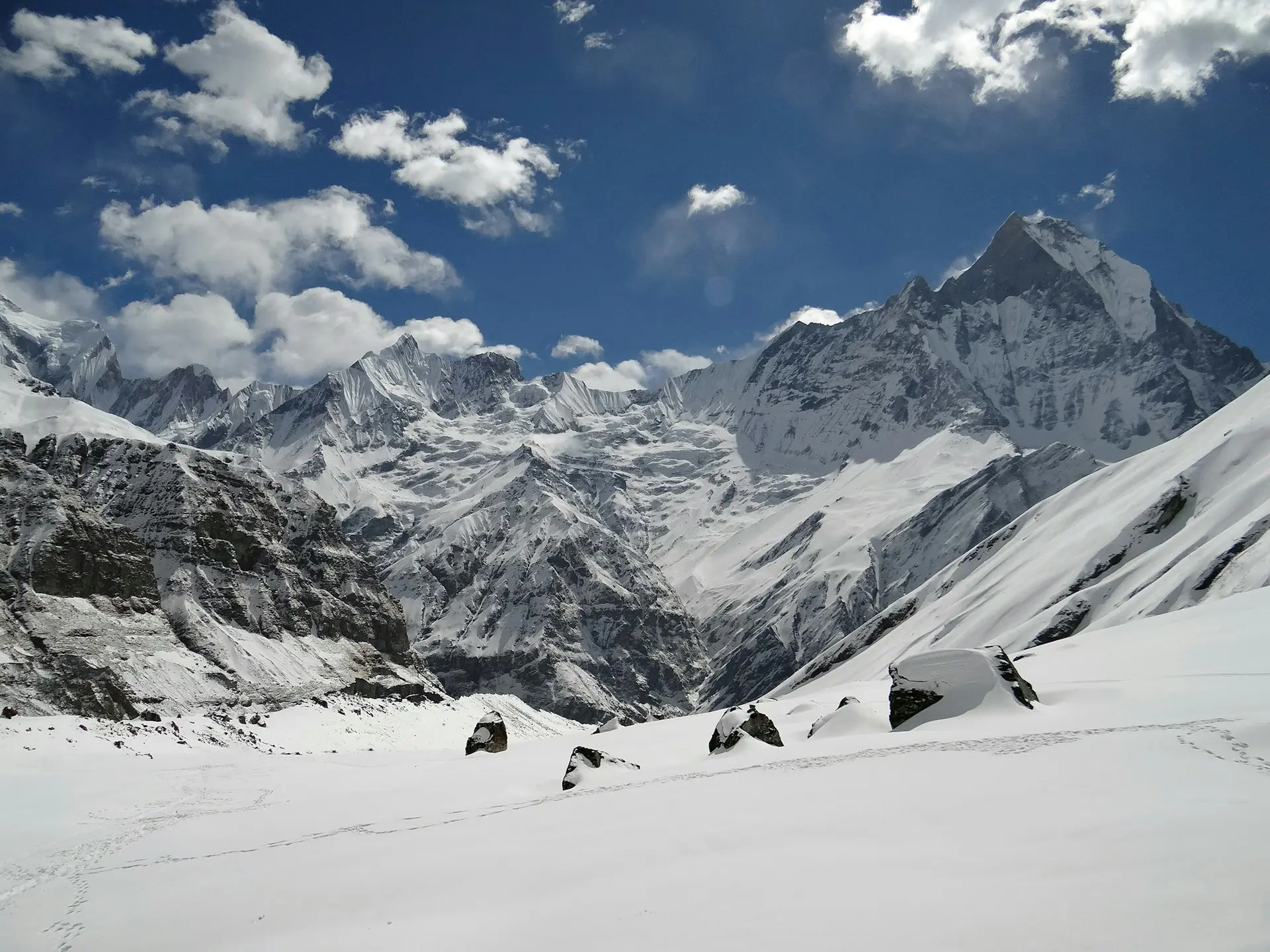
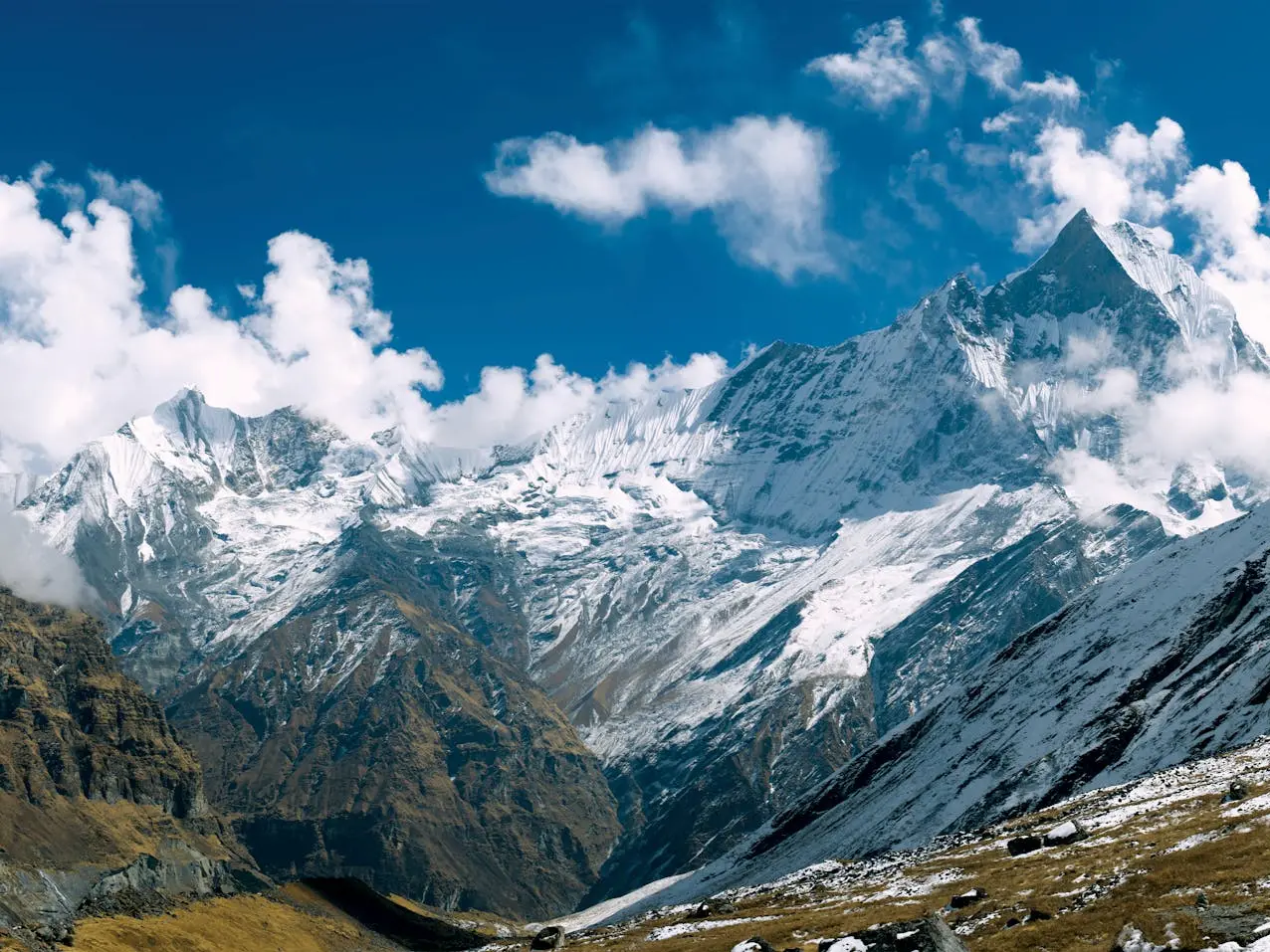
The Annapurna Base Camp (ABC) trek is one of Nepal’s most iconic and rewarding trekking routes, offering breathtaking views, cultural immersion, and an unparalleled adventure in the heart of the Himalayas. Starting from the vibrant town of Pokhara, trekkers traverse through lush rhododendron forests, charming Gurung and Magar villages, and pristine alpine landscapes. Each day on this trek reveals new vistas of towering peaks, glacial moraines, and cascading waterfalls. The highlight of the journey is reaching the Annapurna Base Camp itself, a high-altitude amphitheater surrounded by the snow-capped giants of the Annapurna massif, including Annapurna I, Annapurna South, Hiunchuli, and Machapuchare (Fishtail). The panoramic sunrise views over the Himalayan peaks are simply unforgettable, making the effort to reach the base camp worthwhile.
Successful summits and completions of the Annapurna Base Camp trek are celebrated not just for the physical accomplishment but also for the deep connection trekkers forge with Nepal’s natural beauty and cultural heritage. The trek offers an opportunity to interact with local communities, experience traditional mountain hospitality, and learn about the rich biodiversity and geology of the region. For adventurers seeking a perfect blend of challenge and scenic reward, the Annapurna Base Camp trek stands out as a top choice. Hidden Path Treks & Expeditions, a trusted and experienced trekking company in Nepal, ensures that each journey is safe, well-organized, and personalized. Their expert guides and support teams help trekkers navigate the terrain with confidence, providing insightful knowledge about Mount Annapurna and the surrounding landscapes. Whether you are an experienced trekker or a passionate beginner, Hidden Path Treks & Expeditions makes trekking in Nepal a memorable and transformative experience.
The Annapurna Base Camp (ABC) trek is widely regarded as one of the most spectacular trekking routes in Nepal and the entire Himalayan region. It offers trekkers an immersive experience into the heart of the Annapurna massif, one of the world’s highest mountain ranges. The trek is celebrated for its incredible natural beauty, diverse landscapes, and rich cultural encounters with indigenous mountain communities. As one of the most accessible high-altitude treks, the Annapurna Base Camp trek attracts thousands of adventure enthusiasts, nature lovers, and photographers every year. It provides a unique opportunity to witness towering snow-capped peaks, vibrant rhododendron forests, and serene alpine meadows, all while exploring the cultural richness of the Gurung and Magar people. The trek holds great significance as it combines physical challenge with breathtaking scenery, making it a must-do journey for anyone visiting Nepal.
Geographically, the Annapurna Base Camp trek is located in the Annapurna Conservation Area, the largest protected area in Nepal, known for its biodiversity and stunning landscapes. The route traditionally starts from the town of Nayapul, a few hours’ drive from the tourist city of Pokhara, and winds its way through scenic villages such as Ghandruk, Chomrong, and Bamboo. Trekkers gradually ascend through mixed forests and terraced fields before reaching the high-altitude Annapurna Base Camp at around 4,130 meters (13,550 feet). Along the way, hikers experience dramatic changes in scenery and climate—from subtropical lowlands to alpine zones—offering a well-rounded trekking adventure. Hidden Path Treks & Expeditions expertly organizes this route, ensuring a comfortable, safe, and enriching experience, whether you are trekking for the first time or are an experienced mountaineer exploring the majestic Mount Annapurna region.
The Annapurna Base Camp (ABC) trek stands out as one of the most rewarding and accessible trekking experiences in the Himalayas, making it a top choice for adventurers from around the world. Unlike some of the more extreme high-altitude treks, ABC offers a perfect balance of challenge and comfort, with well-established trails and abundant tea houses providing cozy lodges and nutritious meals along the way. This accessibility allows both novice and seasoned trekkers to immerse themselves in spectacular mountain scenery without the need for technical climbing skills or extensive mountaineering experience. Choosing this trek means experiencing the grandeur of the Annapurna massif up close, including iconic peaks like Annapurna I and Machapuchare, while enjoying a well-supported and safe trekking environment.
Culturally, the Annapurna Base Camp trek is a gateway to Nepal’s rich mountain heritage. Trekkers pass through vibrant Gurung and Magar villages, gaining insight into traditional lifestyles, customs, and hospitality that have thrived for centuries. Hidden Path Treks & Expeditions emphasizes this cultural connection by facilitating meaningful interactions with local communities, enriching the trekking experience beyond just the natural beauty. The trek’s diverse ecosystems—from subtropical forests to alpine meadows—also appeal to nature lovers, offering opportunities to see unique flora and fauna endemic to the Himalayas. Moreover, the trek’s dramatic landscapes, featuring waterfalls, suspension bridges, and serene rivers, provide constant visual delight and perfect photography moments.
Finally, choosing the Annapurna Base Camp trek with a trusted company like Hidden Path Treks & Expeditions guarantees expert guidance, logistical support, and personalized service. Their experienced guides prioritize safety, acclimatization, and cultural respect, ensuring a smooth and memorable adventure. Whether you seek a physical challenge, spiritual connection, or breathtaking vistas, the Annapurna Base Camp trek offers an unforgettable journey into one of the world’s most spectacular mountain regions.
Preparing for the Annapurna Base Camp trek is a crucial step to ensure a safe, enjoyable, and rewarding experience. The trek, while accessible to many, presents physical and environmental challenges that require thoughtful planning. Hidden Path Treks & Expeditions emphasizes the importance of choosing the best time to embark on the journey to maximize both safety and the beauty of the landscape. The ideal trekking seasons in Nepal are spring (March to May) and autumn (September to November). During these months, the weather is typically stable, skies are clear, and mountain views are spectacular. Spring offers vibrant rhododendron blossoms and lush greenery, while autumn boasts crisp air and panoramic vistas. Trekking outside these windows, particularly during the monsoon season or harsh winter, can expose travelers to dangerous trail conditions such as landslides, heavy rain, or deep snow, which can hinder progress and enjoyment.
Alongside selecting the right time to trek, securing the appropriate permits and adhering to local regulations are essential for a hassle-free journey. Trekkers must obtain the Annapurna Conservation Area Permit (ACAP) and the Trekkers’ Information Management System (TIMS) card before entering the region. These permits contribute to the conservation of the fragile ecosystem and support local communities dependent on tourism. Hidden Path Treks & Expeditions provides full assistance in acquiring these permits, streamlining the administrative process so trekkers can focus on their adventure. They also emphasize the importance of respecting local culture, environment, and trekking ethics to maintain the sustainability of the Annapurna region for future generations.
Physical fitness and proper gear form the backbone of successful trekking preparation. While the Annapurna Base Camp trek is achievable for moderately fit individuals, it requires endurance for long days of hiking, sometimes on steep or uneven terrain, at high altitudes. Hidden Path Treks & Expeditions advises prospective trekkers to engage in regular cardiovascular exercise, strength training, and hiking practice months before the trip. This preparation not only improves stamina but also reduces the risk of altitude sickness and injury. Equally important is having the right gear: sturdy waterproof hiking boots, layered clothing for fluctuating temperatures, insulated sleeping bags, trekking poles, and reliable backpacks. Hidden Path Treks & Expeditions offers expert guidance on essential equipment and can provide rental options, ensuring trekkers are well-equipped without excess baggage. By focusing on thorough preparation, trekkers set themselves up for an unforgettable and comfortable journey through the majestic Annapurna landscape.
The Annapurna Base Camp trek is a journey through some of Nepal’s most stunning landscapes, with each day bringing new highlights and unforgettable experiences. Starting from the bustling city of Kathmandu, trekkers gradually transition from urban life to serene mountain vistas. The trek begins with a drive to Pokhara, a tranquil lakeside town that serves as the gateway to the Annapurna region. From Pokhara, the trail leads to the quaint village of Ghandruk, where traditional mountain culture thrives. As trekkers move onward through Chomrong, Dovan, and Deurali, the terrain becomes increasingly alpine, offering panoramic views of towering peaks like Annapurna South and Machapuchare. The pinnacle of the journey is reaching Annapurna Base Camp at 4,130 meters, where a breathtaking 360-degree Himalayan panorama awaits. The descent takes trekkers through bamboo forests and natural hot springs, culminating in a return to Pokhara and then Kathmandu. Hidden Path Treks & Expeditions ensures that every day is well-paced and enriched with cultural insights, making the entire trek a deeply rewarding experience.
Key Villages and Cultural Experiences
Throughout the trek, hikers encounter several vibrant villages that offer a window into the rich cultural tapestry of Nepal’s mountain communities. Ghandruk is one of the most notable villages, predominantly inhabited by the Gurung ethnic group, known for their warm hospitality, traditional stone houses, and centuries-old customs. Visitors can explore local monasteries, museums, and sample authentic Nepalese cuisine. Further along the route, Chomrong serves as a cultural crossroads where Gurung and Magar influences blend, with bustling tea houses and lively markets. These villages provide trekkers with opportunities to interact with locals, learn about their traditional lifestyles, and participate in cultural ceremonies or festivals if timed right. Hidden Path Treks & Expeditions emphasizes respectful cultural engagement, ensuring travelers gain meaningful experiences while supporting the local economy sustainably.
Scenic Viewpoints and Natural Landmarks
The Annapurna Base Camp trek is famed for its stunning viewpoints and natural wonders. Along the trail, trekkers pass through lush rhododendron forests, cascading waterfalls, and deep river valleys. One of the most striking natural landmarks is the Modi Khola river, whose turquoise waters accompany trekkers for much of the journey. Dramatic viewpoints like the one near Deurali offer sweeping views of Annapurna South and Hiunchuli, while the final ascent to Annapurna Base Camp provides an unparalleled 360-degree vista of some of the world’s highest peaks. On clear days, the golden sunrise over Machapuchare, also known as Fishtail Mountain, creates magical moments. Hidden Path Treks & Expeditions designs their itineraries to include ample time at these scenic spots, allowing trekkers to fully appreciate the breathtaking landscapes and capture memorable photographs.
Notable Flora and Fauna Along the Trail
The Annapurna region is rich in biodiversity, hosting a variety of flora and fauna that add to the trek’s allure. The trail passes through multiple ecological zones, starting with subtropical forests dominated by bamboo, oak, and rhododendron trees—Nepal’s national flower. In spring, the forests burst into vibrant colors with blooming rhododendrons and magnolias. As the trek ascends, the vegetation thins to alpine shrubs and hardy grasses. Wildlife sightings often include Himalayan monkeys, barking deer, and a wide range of bird species such as the colorful Himalayan monal pheasant, Nepal’s national bird. Trekkers may also spot elusive wildlife like musk deer or, with luck, the rare snow leopard in the higher reaches. Hidden Path Treks & Expeditions educates trekkers about this rich ecology and promotes responsible trekking practices that help preserve the region’s natural heritage for future adventurers.
The Annapurna Base Camp trek, while immensely rewarding, presents several challenges that trekkers must be prepared to face. One of the most significant risks is altitude sickness, caused by the rapid ascent to higher elevations where oxygen levels are lower. Symptoms can range from mild headaches and nausea to more serious conditions such as High Altitude Pulmonary Edema (HAPE) or High Altitude Cerebral Edema (HACE). To combat altitude sickness, gradual acclimatization is essential. Hidden Path Treks & Expeditions ensures that the trekking itinerary includes sufficient rest days and gradual elevation gains, allowing your body time to adjust. Hydration, avoiding alcohol, and listening to your body’s signals are key. In case symptoms worsen, descending immediately and seeking medical attention is critical. Carrying medication such as acetazolamide (Diamox) may also be recommended under medical advice.
Weather and trail conditions on the Annapurna Base Camp trek can be unpredictable and sometimes challenging. The trail traverses diverse climatic zones, from warm subtropical forests to cold alpine environments. During the monsoon season, trails can become slippery and muddy, increasing the risk of landslides and making progress difficult. Winter brings cold temperatures and potential snowfall, which can obstruct paths and create hazardous ice. Hidden Path Treks & Expeditions closely monitors weather forecasts and trail conditions, adjusting plans as necessary to prioritize safety. Wearing appropriate layered clothing, waterproof gear, and sturdy footwear is essential to navigate these challenges comfortably.
Safety precautions extend beyond weather and altitude. Trekking in remote mountainous regions carries inherent risks such as falls, injuries, or sudden health issues. Hidden Path Treks & Expeditions is committed to trekkers’ safety by providing experienced guides trained in first aid and emergency response. They equip teams with satellite phones, GPS devices, and well-stocked medical kits. In case of emergencies, evacuation options via helicopter or ground transport are arranged swiftly. Trekkers are advised to register with their embassy, carry identification, and share detailed itineraries with family or friends. Being prepared and having a reliable support team ensures that challenges on the Annapurna Base Camp trek can be managed effectively, allowing trekkers to focus on the incredible experience that awaits them.
The final approach to Annapurna Base Camp is both thrilling and demanding, marking the culmination of days of trekking through diverse terrains. From Deurali, trekkers begin a steeper ascent through rocky landscapes and sparse alpine vegetation, where the air grows thinner and cooler. The path becomes narrower, flanked by towering peaks draped in snow and ice. With each step, the anticipation builds as the magnificent amphitheater of the Annapurna massif gradually reveals itself. Hidden Path Treks & Expeditions guides ensure that trekkers maintain a steady pace during this critical stretch, emphasizing the importance of acclimatization and energy conservation. The dramatic landscape, with its stark contrasts of rugged rock faces and glistening glaciers, offers a surreal atmosphere that heightens the sense of adventure.
Reaching Annapurna Base Camp evokes a profound mix of emotions. Physically, trekkers often feel a rush of accomplishment tempered by exhaustion from the challenging climb. Emotionally, the experience is deeply rewarding—standing in the shadow of some of the world’s highest peaks fosters awe, humility, and a connection to nature that few other places can inspire. Many trekkers describe the moment as transformative, a highlight of their lives that shifts perspectives and fuels a lifelong passion for the mountains. Hidden Path Treks & Expeditions encourages guests to take time at the base camp to absorb the surroundings, meditate, or simply bask in the serenity of this remote alpine sanctuary.
Photography at Annapurna Base Camp captures some of the most stunning and memorable moments of the trek. The panoramic views offer endless opportunities for breathtaking shots of Annapurna I, Annapurna South, Machapuchare (Fishtail), and Hiunchuli, often framed by brilliant blue skies or dramatic cloud formations. Sunrise and sunset are especially magical, with golden light casting long shadows across glaciers and peaks. Trekkers often immortalize these moments as symbols of personal triumph and the raw beauty of the Himalayas. Hidden Path Treks & Expeditions not only guides trekkers to the best vantage points but also offers photography tips to help capture these once-in-a-lifetime scenes. These memories, preserved in photos and the heart, remain cherished long after the trek concludes.
The Annapurna Base Camp trek has inspired countless adventurers to push their limits and immerse themselves in the majestic beauty of the Himalayas. Among these trekkers, many have shared powerful testimonials that capture the transformative nature of the journey. For instance, Sarah, a first-time trekker with Hidden Path Treks & Expeditions, recalls, “Reaching Annapurna Base Camp was a dream come true. The support from the guides and the camaraderie with fellow trekkers made every step memorable. The moment I saw the towering peaks around me, all the effort felt worth it.” Such testimonials highlight not only the physical achievement but also the emotional and spiritual fulfillment that accompanies the trek. Hidden Path Treks & Expeditions takes pride in creating supportive, well-organized experiences that help trekkers realize their dreams safely and joyfully.
Several common factors contribute to the success of these summits. Careful preparation—including physical training, proper gear, and understanding altitude acclimatization—is crucial. The expertise and guidance provided by Hidden Path Treks & Expeditions’ experienced team also play a pivotal role. Knowledgeable guides help pace the trek appropriately, recognize signs of altitude sickness, and offer encouragement during challenging stretches. Mental resilience, adaptability to changing weather and trail conditions, and respect for local customs are equally important. Successful trekkers are those who listen to their bodies, stay positive, and work closely with their support team to overcome obstacles. This holistic approach ensures that the journey to Annapurna Base Camp is not only achievable but deeply rewarding.
The trail to Annapurna Base Camp is rich with inspirational tales that motivate new trekkers every year. Stories of overcoming personal fears, battling harsh weather, or pushing through fatigue abound. One memorable tale involves a young trekker who, despite facing severe altitude sickness symptoms midway, chose to rest, hydrate, and follow the guide’s advice carefully. With Hidden Path Treks & Expeditions’ support, she recovered and ultimately stood triumphantly at the base camp. Such stories embody the spirit of perseverance and teamwork that define the trek. They serve as a reminder that with determination, preparation, and the right support, the breathtaking summit of Annapurna Base Camp is within reach for many.
Completing the Annapurna Base Camp trek is a significant achievement that leaves a lasting impact on both body and mind. After the trek, proper health and recovery practices are essential to help the body heal from the physical exertion and altitude stress. Hidden Path Treks & Expeditions recommends gradually returning to regular activity levels, incorporating rest days, and focusing on nutrition that replenishes energy and supports muscle recovery. Hydration remains important even after the trek, and gentle stretching or yoga can aid flexibility and reduce soreness. Many trekkers benefit from medical check-ups if they experienced any altitude-related issues during the journey. Taking time to recover fully ensures that the rewarding memories of the trek are not overshadowed by lingering physical discomfort.
Beyond the physical, the Annapurna Base Camp trek often triggers profound personal growth. The challenges faced on the trail—whether battling altitude, navigating difficult terrain, or adapting to cultural differences—build resilience, confidence, and a deeper appreciation for nature. Trekkers frequently reflect on a renewed sense of perspective about life’s priorities and their own capabilities. Hidden Path Treks & Expeditions fosters this growth by encouraging mindfulness and cultural connection throughout the trek, helping travelers return home not just with stunning photos but with transformative experiences that inspire future adventures and a stronger connection to the natural world.
Sustainable trekking is an integral part of preserving the pristine environment and vibrant communities of the Annapurna region. Hidden Path Treks & Expeditions places strong emphasis on eco-friendly practices such as minimizing waste, respecting wildlife habitats, and supporting local economies through fair employment and cultural exchange. Trekkers are encouraged to follow the Leave No Trace principles, use refillable water bottles, and avoid single-use plastics. By trekking responsibly, visitors contribute to the long-term preservation of the mountains that make Annapurna Base Camp such a magical destination. Reflecting on these values after the trek reinforces the importance of protecting this natural heritage for generations to come.
Exploring on the Annapurna Base Camp trek is made smoother and more enriching with the right support and information. For those seeking expert guidance, Hidden Path Treks & Expeditions is a highly recommended tour operator known for its professional, personalized service and deep local knowledge. Their experienced guides not only ensure your safety and comfort but also share insights into the culture, flora, and geology of the Annapurna region. In addition to Hidden Path Treks, other reputable operators include Himalayan Glacier Trekking, Nepal Hiking Team, and Adventure Connexion, all of which offer well-structured itineraries and reliable support. Choosing a trustworthy guide or company significantly enhances the trekking experience, providing peace of mind and insider access to hidden gems along the trail.
Modern technology offers trekkers invaluable tools to navigate the challenging terrain safely and efficiently. Useful trekking maps such as the Annapurna Conservation Area Map provide detailed trail information, elevation data, and village locations. Additionally, mobile trekking apps like Maps.me, AllTrails, and Gaia GPS offer offline maps, GPS tracking, and route planning, crucial for areas with limited cell service. For altitude awareness and weather updates, apps like My Altitude and Weather Underground can be lifesavers. Hidden Path Treks & Expeditions encourages trekkers to familiarize themselves with these tools before departure and often integrates them into their guided treks to improve navigation and communication.
For those wanting to deepen their understanding and appreciation of the Annapurna region, a variety of further reading and documentaries are available. Books such as “Into Thin Air” by Jon Krakauer and “Annapurna: The First Conquest of an 8000-meter Peak” by Maurice Herzog offer gripping accounts of mountaineering adventures in the Himalayas. Documentaries like “Annapurna” (2013) and National Geographic’s “Himalaya with Michael Palin” provide breathtaking visuals and cultural insights. Hidden Path Treks & Expeditions also provides recommended reading lists and documentary suggestions as part of their pre-trek preparation to help travelers connect more deeply with the history and natural beauty they will encounter.
At Hidden Path Treks & Expeditions, we believe that every trekker deserves a journey that is not only safe and well-organized but also deeply enriching and unforgettable. With years of expertise guiding adventurers through the majestic Annapurna region, our company stands out for its personalized approach, local knowledge, and unwavering commitment to quality service. Our experienced team of certified guides and support staff are passionate about the Himalayas and dedicated to ensuring your trek is seamless—from the moment you arrive in Nepal to the triumphant summit of Annapurna Base Camp and your safe return.
What truly sets Hidden Path Treks & Expeditions apart is our focus on authentic cultural experiences combined with sustainable tourism practices. We prioritize respectful interactions with local communities, supporting their livelihoods by employing local guides, porters, and staying in family-run lodges whenever possible. This not only enriches your journey with genuine Nepalese hospitality but also contributes positively to the preservation of the region’s unique heritage. Our team carefully designs itineraries that balance adventure with adequate rest and acclimatization, maximizing your chances of a successful and enjoyable trek.
Safety and comfort are at the core of everything we do. Hidden Path Treks & Expeditions provides well-maintained equipment, reliable transportation, and 24/7 support throughout your journey. Our guides are trained in first aid and emergency response, and we maintain clear communication channels for prompt assistance if needed. Whether you’re a first-time trekker or an experienced mountaineer, we tailor our services to meet your individual needs, ensuring a trekking experience that is both challenging and rewarding. When you choose Hidden Path Treks & Expeditions, you’re not just booking a trek—you’re joining a family dedicated to turning your Himalayan dreams into reality.
Nepal, a mesmerizing land nestled in the heart of the Himalayas, beckons travelers with its unparalleled blend of cultur...
Nepal is world-renowned for its majestic mountains, sacred landscapes, and warm-hearted people—but beyond the famous tra...
Nepal continues to be a premier trekking destination globally, and 2025/2026 offers a particularly special opportunity f...



