1 Jun 2025
Journey Through Nepal: Best Places to Explore in 2025
Nepal, a mesmerizing land nestled in the heart of the Himalayas, beckons travelers with its unparalleled blend of cultur...

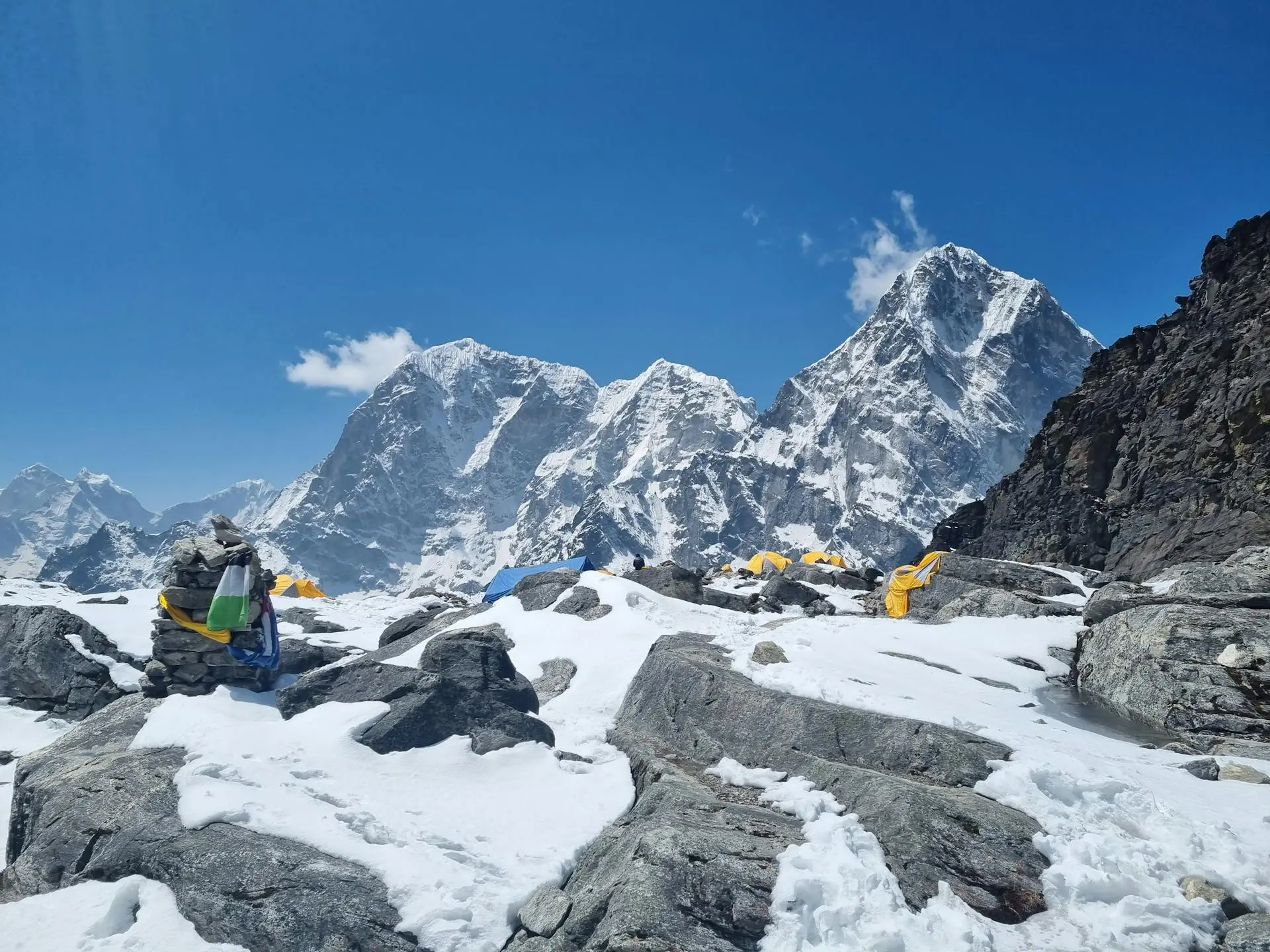
Exploring on the Everest Base Camp (EBC) trek is a dream adventure for many, especially beginners eager to experience the Himalayas' grandeur. This iconic trekking route offers an incredible blend of natural beauty, cultural richness, and personal challenge. For beginners, understanding what to expect, how to prepare, and how to enjoy the journey safely is essential. Hidden Path Treks & Expeditions, a trusted name in trekking Nepal, specializes in guiding first-timers through this majestic trail, ensuring a seamless and memorable adventure.
The trek to Everest Base Camp starts from the bustling town of Lukla, gradually ascending through traditional Sherpa villages such as Namche Bazaar and Tengboche. Along the way, trekkers are treated to breathtaking views of towering peaks like Ama Dablam, Lhotse, and of course, Mount Everest itself. Beginners will appreciate the well-established trails, comfortable tea houses, and the camaraderie among fellow trekkers. Hidden Path Treks & Expeditions offers expert guidance, including acclimatization schedules and safety protocols, helping novices enjoy every step of this once-in-a-lifetime journey.
Nepal is the gateway to some of the world’s most spectacular trekking experiences, and the Everest Base Camp trek stands out as a perfect introduction for newcomers. Trekking in Nepal combines stunning mountain landscapes with rich cultural experiences, from traditional Sherpa hospitality to vibrant festivals. For beginners, Nepal’s trekking infrastructure is remarkably accessible, with well-marked trails, numerous guesthouses, and a supportive trekking community. Hidden Path Treks & Expeditions tailors its services to ensure beginners are comfortable and confident, from gear advice to on-the-ground support.
Beyond the physical challenge, trekking in Nepal is about connecting with the local environment and people. The Everest region offers a unique cultural immersion into Sherpa life, Buddhism, and Himalayan traditions. Beginners can enjoy the spiritual calm of monasteries, taste authentic Nepali cuisine, and witness ancient customs. With Hidden Path Treks & Expeditions, beginners receive a comprehensive package that balances adventure, safety, and cultural exploration—making trekking in Nepal not just a physical journey, but a deeply enriching experience.
The Everest Base Camp (EBC) trek is one of the most iconic trekking routes in the world, drawing adventurers and nature lovers alike to the heart of the Himalayas. Nestled in Nepal, this trek offers a unique opportunity to walk in the footsteps of mountaineering legends and experience the raw beauty of the world’s highest peaks. Beginning from the charming town of Lukla, trekkers gradually ascend through vibrant Sherpa villages, alpine forests, and rugged landscapes, all while soaking in panoramic views of towering giants such as Mount Everest, Lhotse, and Nuptse.
For beginners, the EBC trek is a fantastic introduction to high-altitude trekking. The trail is well-established, supported by numerous teahouses offering rest and meals, and guided by experienced professionals who prioritize safety and acclimatization. Hidden Path Treks & Expeditions is proud to provide personalized support and expert guidance for first-time trekkers, ensuring every step of your journey is inspiring, comfortable, and safe. Whether you’re chasing breathtaking scenery, cultural encounters, or personal achievement, the Everest Base Camp trek is an unforgettable adventure waiting for you.
Why Choose Everest Base Camp?
Choosing to trek to Everest Base Camp means immersing yourself in one of the most spectacular natural and cultural landscapes on Earth. The region’s dramatic mountain scenery, with peaks soaring over 8,000 meters, provides an awe-inspiring backdrop for every step of your journey. Beyond the stunning vistas, the trek offers rich cultural experiences—visiting Buddhist monasteries, meeting the warm and welcoming Sherpa people, and learning about their unique mountain lifestyle. This combination of nature and culture makes the Everest Base Camp trek a truly holistic adventure.
Moreover, Everest Base Camp is accessible for many first-time trekkers due to its well-marked trails, available facilities, and moderate physical challenge. The sense of achievement you feel reaching the base of the world’s tallest mountain is unmatched. With professional guidance from companies like Hidden Path Treks & Expeditions, you can confidently navigate the challenges of altitude and terrain. Their expert planning, support with permits, and emphasis on acclimatization make Everest Base Camp an ideal choice for anyone seeking a bucket-list trekking experience with safety and comfort in mind.
Who Can Do This Trek?
The Everest Base Camp trek is suitable for a wide range of people, including beginners with a good level of fitness and a spirit of adventure. You don’t need prior high-altitude trekking experience, but you should be prepared for several days of walking, often on uneven and sometimes steep terrain. Basic endurance, a positive mindset, and willingness to acclimatize properly are key to completing this trek successfully. Age is less of a limiting factor than physical health, and Hidden Path Treks & Expeditions carefully assesses each trekker’s ability and offers customized itineraries to match individual needs.
People who enjoy nature, culture, and moderate physical challenges will find the Everest Base Camp trek incredibly rewarding. It’s perfect for solo travelers, couples, friends, or small groups who want to experience the Himalayas safely and meaningfully. Hidden Path Treks & Expeditions provides experienced guides who accompany you every step of the way, helping beginners manage altitude changes and ensuring that the journey is as enjoyable as the destination. So if you’re ready to embrace adventure and immerse yourself in Nepal’s spectacular mountains, this trek could be your perfect first step.
Proper preparation is the key to enjoying your Everest Base Camp trek safely and comfortably. For beginners, it’s important to plan ahead not only for the physical demands but also for the logistical and environmental challenges of trekking at high altitude. Preparing early gives you time to build stamina, gather necessary gear, and familiarize yourself with the route and cultural norms. Hidden Path Treks & Expeditions offers comprehensive pre-trek consultations to help you understand what to expect, how to pace yourself, and how to handle common concerns such as altitude sickness.
Preparation also means being mentally ready for a multi-day trek in sometimes unpredictable mountain weather. You’ll face varying terrain, cold nights, and limited access to modern conveniences, but with proper planning, these challenges become part of the adventure. Hidden Path Treks & Expeditions supports beginners by providing detailed itineraries that include rest days for acclimatization, local insights, and emergency protocols, ensuring your trek is as smooth and rewarding as possible.
Physical Fitness and Training Tips
Trekking to Everest Base Camp requires a moderate level of physical fitness, and starting your training several months in advance can make a huge difference. Beginners should focus on building cardiovascular endurance, leg strength, and overall stamina. Activities like brisk walking, jogging, stair climbing, and hiking on varied terrain are excellent preparation. Aim for at least 3 to 4 days a week of aerobic exercise combined with strength training for legs, core, and balance.
It’s also important to train with a backpack similar in weight to what you’ll carry on the trek, helping your body adapt to the load. Regular hiking with elevation gain, if possible, will prepare you for the mountain conditions. Hidden Path Treks & Expeditions can provide personalized fitness recommendations and training plans tailored to your current fitness level and trekking goals. Remember, pacing yourself and allowing time for acclimatization during the trek is just as important as pre-trek fitness.
Essential Gear and Packing List
Packing smart is crucial for a successful Everest Base Camp trek. For beginners, choosing the right gear means balancing comfort, warmth, and lightness. Essential clothing includes moisture-wicking base layers, insulated jackets, waterproof outer layers, thermal hats, gloves, and sturdy trekking boots. Don’t forget sunglasses and sunscreen, as the Himalayan sun can be intense at high altitudes. A good-quality sleeping bag rated for cold temperatures is essential since mountain nights can be freezing.
Besides clothing, you’ll need a durable backpack, trekking poles, water purification tablets or filters, a first-aid kit, and reusable water bottles. Electronics like a headlamp and power banks can be handy. Hidden Path Treks & Expeditions provides detailed gear checklists and advice to help beginners pack only what’s necessary, avoiding overpacking while ensuring safety and comfort. They also offer support for renting or buying equipment locally in Nepal, making your preparation even easier.
Important Permits and Documentation
Before setting off on the Everest Base Camp trek, securing the correct permits is a critical step. The main permits required are the Sagarmatha National Park Entry Permit and the TIMS (Trekkers’ Information Management System) card. These permits help protect the fragile environment of the Everest region and ensure your trek is officially registered for safety. Hidden Path Treks & Expeditions assists with obtaining these permits well in advance to avoid any last-minute hassles.
In addition to permits, ensure your passport is valid for at least six months beyond your planned trek dates, and check if you need a Nepal visa, which can typically be obtained on arrival or beforehand. It’s also wise to carry travel insurance that covers trekking at high altitude and potential helicopter evacuation. Hidden Path Treks & Expeditions guides you through all necessary paperwork and insurance requirements, so you can focus on the adventure ahead with peace of mind.
The route to Everest Base Camp is more than just a trek — it's a scenic, cultural, and personal journey through one of the most legendary regions on Earth. Starting from the small mountain town of Lukla after a short but exhilarating flight from Kathmandu, the trail gradually ascends through the Khumbu Valley, winding through charming Sherpa villages, lush forests, suspension bridges, and glacial landscapes. The trek ends at Everest Base Camp (5,364 meters), where climbers prepare to summit the world’s highest peak, and where you’ll be rewarded with close-up views of Mount Everest and the Khumbu Icefall.
The route is well-maintained, with clearly marked trails and established teahouses for meals and accommodation. Hidden Path Treks & Expeditions ensures each day is well-planned, balancing adventure with rest, acclimatization, and cultural experiences. For beginners, this thoughtful pacing makes the journey manageable and enjoyable, allowing time to fully take in the landscape and adjust safely to the altitude.
Trek Overview and Daily Itinerary
Here’s a detailed 15-day Everest Base Camp trek itinerary, perfect for beginners and thoughtfully designed by Hidden Path Treks & Expeditions for safety, comfort, and cultural immersion:
Day 1: Arrival in Kathmandu
Day 2: Kathmandu Sightseeing and Trek Preparation
Day 3: Fly to Lukla and Trek to Phakding (2,610m / 8,563ft) – 3–4 hrs
Day 4: Trek to Namche Bazaar (3,440m / 11,286ft) – 6–7 hrs
Day 5: Acclimatization Day in Namche Bazaar
Day 6: Trek to Tengboche (3,860m / 12,664ft) – 5–6 hrs
Day 7: Trek to Dingboche (4,410m / 14,468ft) – 5–6 hrs
Day 8: Acclimatization Day in Dingboche
Day 9: Trek to Lobuche (4,940m / 16,207ft) – 5–6 hrs
Day 10: Trek to Everest Base Camp (5,364m / 17,598ft) and return to Gorak Shep (5,164m / 16,942ft) – 7–8 hrs
Day 11: Hike to Kala Patthar (5,545m / 18,192ft) and Trek to Pheriche (4,280m / 14,042ft) – 7–8 hrs
Day 12: Trek to Namche Bazaar – 6–7 hrs
Day 13: Trek to Lukla – 6–7 hrs
Day 14: Fly to Kathmandu
Day 15: Final Departure
Key Villages and Highlights Along the Trail
Each village along the EBC route has its own charm and significance, making the journey culturally rich in addition to being scenic.
Namche Bazaar, the largest Sherpa town in the region, is a lively hub with bakeries, shops, and incredible mountain views. It’s a perfect place to rest, acclimatize, and learn about Sherpa culture. Tengboche is home to one of the most important monasteries in Nepal, offering spiritual insight and stunning views of Ama Dablam. Dingboche and Lobuche offer a taste of high-altitude living, where the terrain shifts dramatically and snow-capped peaks dominate the skyline.
Reaching Everest Base Camp itself is a moment of triumph. Though you won’t see the summit from base camp, the surrounding views of the Khumbu Icefall and nearby peaks are unforgettable. For the best panoramic view of Everest, a short but steep hike up Kala Patthar offers a perfect sunrise photo opportunity. Hidden Path Treks & Expeditions ensures you don’t miss any of these highlights, with experienced guides who know the region intimately.
Altitude and Acclimatization Tips
Altitude is one of the biggest challenges on the Everest Base Camp trek, especially for beginners who may not have trekked above 3,000 meters before. As you ascend, oxygen levels drop, making it harder for your body to function normally. That’s why acclimatization is critical. Symptoms of altitude sickness (AMS) can include headaches, nausea, and fatigue — but with the right approach, they can be managed or avoided.
To reduce risk, it’s important to ascend gradually, take acclimatization days, stay well-hydrated, and avoid overexertion. Hidden Path Treks & Expeditions builds in rest days at strategic points like Namche and Dingboche to allow your body to adjust properly. Their guides are trained in recognizing AMS symptoms and equipped with first-aid kits, oximeters, and evacuation plans if needed. In addition, they promote a “climb high, sleep low” strategy, which involves short hikes to higher altitudes during the day and returning to lower elevations to sleep — a proven method to help your body adapt.
Tips to prevent AMS (Acute Mountain Sickness):
Hidden Path Treks & Expeditions prioritizes your safety with trained guides, daily health monitoring (including pulse oximeter checks), and flexible plans if symptoms develop. They are also prepared to arrange emergency evacuation if needed.
Trekking to Everest Base Camp is a journey that challenges and rewards in equal measure. Each day on the trail offers new landscapes—from lush forests and roaring rivers to glacier moraines and snow-covered paths. You’ll be walking 5–7 hours a day on average, with plenty of breaks for rest, photos, and meals. Expect a mix of steep climbs, gradual ascents, and occasional rocky or icy sections. The trail is well-maintained, with suspension bridges, stone steps, and clear signage along the way.
The pace is slow and steady, particularly due to altitude, and acclimatization days are built into the trek. One of the most surprising and wonderful things about the EBC trek is the hospitality and camaraderie you’ll find. Teahouses are more than just accommodation — they’re cozy places to meet fellow trekkers from around the world. Hidden Path Treks & Expeditions ensures you're well taken care of each day, from wake-up tea to hot meals and warm sleeping arrangements, allowing you to focus on the scenery and the personal experience.
Weather Conditions by Season
Weather conditions in the Everest region vary significantly by season, and choosing the right time to trek is important—especially for beginners. The best seasons for trekking are spring (March–May) and autumn (late September–November). These months offer stable weather, clear skies, and excellent mountain views. Temperatures during the day are cool but manageable, while nights can be freezing, especially above 4,000 meters.
Winter (December–February) brings cold temperatures, snow-covered trails, and fewer crowds. It’s not ideal for beginners unless you're well-prepared for extreme cold. Summer (June–August) is the monsoon season, with rain in the lower elevations and cloud-covered mountains — trails can be slippery and leeches are common in the lower forests. Hidden Path Treks & Expeditions helps you choose the best time based on your comfort level and provides weather briefings throughout your journey, ensuring you're prepared for any shift in conditions.
Accommodation and Food Options
Accommodation along the Everest Base Camp trail is offered through traditional teahouses — locally run guesthouses that provide simple but comfortable lodging. Rooms are usually twin-sharing with basic bedding (a sleeping bag is still recommended), and shared bathrooms are the norm. As you go higher, facilities become more basic, and heating is limited to the common dining areas. However, these teahouses are cozy, welcoming, and perfect for meeting other trekkers and enjoying warm, hearty meals.
Meals are typically served in the teahouse dining halls, with a variety of options such as dal bhat (lentils, rice, and vegetables), pasta, soups, momos (dumplings), fried rice, and pancakes. While the food is fresh and filling, variety becomes more limited at higher altitudes due to transport challenges. Hidden Path Treks & Expeditions ensures you're booked into reliable, hygienic teahouses with decent food options and adequate rest facilities. They also help you make smart dietary choices to support your energy and acclimatization throughout the trek.
Managing Altitude Sickness and Health Precautions
Altitude sickness, or Acute Mountain Sickness (AMS), is a real concern on the Everest Base Camp trek, especially for first-timers. It typically begins to affect people above 2,500 meters, and symptoms include headaches, nausea, dizziness, and fatigue. The key to avoiding AMS is a slow, steady ascent, proper hydration, and allowing time for your body to adjust through acclimatization days.
Beginners are strongly advised not to rush the trek. Hidden Path Treks & Expeditions follows a tried-and-true itinerary with built-in acclimatization days in Namche and Dingboche, and guides trained to monitor health signs daily. They also carry medical kits, oximeters to monitor oxygen levels, and can arrange emergency evacuation if symptoms worsen. To stay healthy, trekkers should drink plenty of water, avoid alcohol, eat balanced meals, and consider taking Diamox (a preventative altitude sickness medication, only under doctor supervision).
In terms of general health, hygiene is important. Hand sanitizers, water purification tablets, and avoiding raw foods are helpful precautions. Hidden Path Treks & Expeditions emphasizes proactive care, giving you the tools, knowledge, and support needed to trek safely and enjoyably—even if it’s your first time in the mountains.
While the towering mountains are the visual highlight of the Everest Base Camp trek, the cultural journey through the heart of the Khumbu region is equally powerful. Trekking through villages and valleys inhabited by the Sherpa community offers insight into a world shaped by spirituality, resilience, and harmony with nature. For beginners especially, these cultural moments can add immense depth to the trekking experience.
Everyday life in the Himalayas is deeply influenced by Tibetan Buddhism, and this is reflected in the colorful prayer flags, ancient mani walls (stone tablets carved with mantras), and peaceful stupas along the trail. With Hidden Path Treks & Expeditions, trekkers are encouraged to not just pass through the region but to engage respectfully — whether by visiting a monastery, participating in local customs, or simply enjoying tea with a village host. These local experiences bring an emotional and spiritual richness to the journey that many find just as transformative as reaching base camp itself.
Meeting the Sherpa People
The Sherpas are among the most respected mountain communities in the world, known for their warmth, hospitality, and unmatched expertise in high-altitude trekking. Originally from Tibet, the Sherpa people have adapted over generations to the harsh Himalayan environment and are widely regarded as the backbone of mountaineering expeditions in Nepal. Throughout your trek, you’ll meet Sherpas working as guides, porters, teahouse owners, and community leaders.
Beginners often find these encounters to be among the most rewarding parts of the journey. Conversations with your guide or local host offer first-hand stories of life in the Himalayas, mountaineering history, and how climate and tourism are shaping the region. Hidden Path Treks & Expeditions employs local Sherpa guides who not only ensure your safety on the trail but also provide valuable cultural context. They’ll teach you local phrases, point out significant landmarks, and encourage respectful interactions with villagers—bridging the gap between visitor and host.
Important Traditions and Customs
Understanding and respecting Sherpa traditions and customs is essential for a meaningful trek through their homeland. One of the most visible customs is the practice of spinning prayer wheels clockwise and walking to the left of religious monuments such as stupas or mani walls — an act of reverence and good fortune. You'll often hear the calming chant "Om Mani Padme Hum," repeated in prayers and inscribed on stones throughout the region.
The Sherpas follow a lunar calendar, and if your trek aligns with one of their festivals, such as Dumji or Mani Rimdu, you're in for a truly unforgettable cultural experience. These festivals are rich with masked dances, blessings from monks, and deep spiritual meaning. Hidden Path Treks & Expeditions carefully prepares their guests with knowledge of local etiquette — such as removing shoes before entering a home or temple and dressing modestly in religious areas — so that you can participate respectfully and confidently.
Visiting Monasteries and Cultural Sites
Along the trail to Everest Base Camp, you'll pass several stunning and sacred sites, each offering a window into the Sherpa people's spiritual life. The most prominent of these is the Tengboche Monastery, one of the largest and most important monasteries in the region. Situated at 3,860 meters, it offers not only spiritual sanctuary but also incredible views of Ama Dablam and Everest. Visitors are welcome to observe daily chanting rituals and, depending on timing, receive blessings from the monks.
Other cultural highlights include Khumjung Monastery, which famously houses what is believed to be a scalp of a yeti, and the Namche Sherpa Culture Museum, where you can explore Sherpa history, traditional clothing, and mountaineering artifacts. Hidden Path Treks & Expeditions includes visits to these sites in their itineraries, with your guide explaining the significance of each place. These moments provide reflection, a sense of history, and a deeper emotional connection to the Himalayan journey.
Safety is the most important factor when trekking to Everest Base Camp, especially for beginners. The high-altitude environment, remote location, and physically demanding terrain require proper preparation, situational awareness, and expert guidance. Fortunately, with careful planning and the right support, most risks can be effectively managed or avoided altogether.
From the moment you land in Lukla to your final steps back down the trail, Hidden Path Treks & Expeditions prioritizes your safety at every level. Their team of trained, experienced guides monitors weather conditions, health symptoms, and trail conditions daily. They also provide clear pre-departure briefings and on-trail safety instructions, so even first-time trekkers feel confident and well-informed.
Common Risks and How to Avoid Them
The most common risks during the Everest Base Camp trek include:
Altitude Sickness (Acute Mountain Sickness or AMS)
Weather-Related Issues
Slips, Falls, and Injuries
Food and Water Hygiene Issues
Emergency Contacts and Rescue Options
Despite all precautions, emergencies can happen. That’s why it’s crucial to know your options and be prepared. Hidden Path Treks & Expeditions operates with a well-structured emergency response system and strong local networks to ensure help is available when needed.
Guide Assistance
Helicopter Evacuation
Nearest Medical Facilities
Emergency Numbers & Documents
Budgeting for the Everest Base Camp (EBC) Trek is an essential part of your preparation, especially for beginners who may be unfamiliar with trekking costs in Nepal. While it's not the cheapest trek, it’s surprisingly affordable compared to other global adventures, especially when managed through a reliable local company like Hidden Path Treks & Expeditions. With thoughtful planning, you can enjoy a safe and comfortable experience without overspending.
Your total budget will depend on several factors: the season you travel, the length of your trek, your choice of guide and porter services, accommodation comfort, and whether you choose a guided package or go semi-independently. Hidden Path Treks & Expeditions offers transparent, all-inclusive packages that cover logistics, safety, and cultural experiences—ideal for beginners looking to avoid hidden costs and confusion.
Cost Breakdown: Permits, Food, Accommodation, and Guide Fees
Here’s an approximate breakdown of the major expenses involved in a 12–14 day Everest Base Camp trek (all prices in USD):
1. Permits & Fees (Approx. $50–60 total):
2. Accommodation (Approx. $5–15 per night):
3. Food & Drinks (Approx. $20–30/day):
4. Guide & Porter Fees (Approx. $25–30/day for a guide, $15–20/day for a porter):
5. Flights (Kathmandu–Lukla roundtrip):
6. Other Expenses:
Estimated Total (All-Inclusive Trek with a Guide):
$1,200–$1,500 (including permits, food, accommodation, guide/porter, flights, and extras)
Money-Saving Tips for Beginners
If you're a first-time trekker, saving money while staying safe and comfortable is key. Here are a few budget-smart strategies:
As your departure day approaches, excitement builds — but so does the need to double-check your gear, documents, and mental readiness. The final days before your trek are crucial for tying up loose ends, ensuring you’re properly packed, and getting into the right headspace. Traveling to the Everest region is not like a typical vacation — it’s a journey into high-altitude wilderness where preparation makes all the difference.
Hidden Path Treks & Expeditions ensures a smooth and stress-free beginning to your trek. From airport pickup in Kathmandu to your Lukla flight, their team assists with logistics, hotel bookings, last-minute shopping, and orientation sessions. These pre-trek briefings help beginners feel confident and informed before stepping onto the trail.
Last-Minute Checklist
Before you fly out to Lukla and begin your trek, run through this essential last-minute checklist to ensure you’re ready for everything the mountains have in store:
Travel Documents
Gear & Essentials
Cash and Currency
Mental Readiness
Travel to Lukla and Starting the Trek
The trek begins with a scenic but thrilling flight from Kathmandu (or Ramechhap during peak season) to Lukla, often called one of the world’s most exciting airports due to its short mountain runway. Weather can be unpredictable, and flights are occasionally delayed or rescheduled — so patience and flexibility are essential. Hidden Path Treks & Expeditions manages your flights, including last-minute changes, helping you navigate any delays or rerouting with ease.
Once you arrive in Lukla (2,840 meters), the adventure truly begins. After a short break, you’ll start the first day’s hike to Phakding, a relatively easy 3-4 hour walk that helps your body begin acclimatizing. The air is fresh, the mountain views are already impressive, and the trail is lined with prayer wheels, mani stones, and fluttering prayer flags — a perfect introduction to both the landscape and the spiritual atmosphere of the Himalayas.
Your guide from Hidden Path Treks will be with you every step of the way — setting the pace, sharing local knowledge, and making sure you’re comfortable and motivated. With your preparation complete and the journey underway, you’re now fully immersed in one of the most breathtaking and transformative adventures on Earth.
Reflecting on Your Everest Base Camp Adventure
Reaching Everest Base Camp is far more than just ticking off a bucket-list destination — it’s a deeply personal journey of persistence, discovery, and growth. Whether you’re gazing up at the mighty Khumbu Icefall, listening to chants echo through a mountaintop monastery, or simply sharing stories around a teahouse fire, each step offers its own reward. For beginners, this trek often marks the beginning of a new relationship with the mountains, travel, and perhaps even yourself.
You’ve experienced the altitude, the silence of snow-dusted trails, and the warmth of the Sherpa people. You’ve carried your pack, pushed past fatigue, and adjusted to new rhythms — all of which now live in your memory as part of your own Everest story. And through it all, Hidden Path Treks & Expeditions has guided you with care, safety, and cultural respect. Whether this was your first trek or the first of many, the mountains have left their mark — and you’ve earned the title of Himalayan trekker.
Next Steps for Future Treks
Now that you’ve conquered Everest Base Camp, you might be wondering, what’s next? Many first-time trekkers find themselves drawn back to the Himalayas after such a powerful experience. Popular next steps include higher-altitude adventures like Gokyo Lakes, the Three Passes Trek, or even Annapurna Circuit for a completely different landscape and cultural flavor.
Hidden Path Treks & Expeditions offers all of these adventures and more — from beginner-friendly scenic hikes to challenging mountaineering expeditions. With their deep local knowledge, flexible itineraries, and dedication to ethical, responsible travel, they are the perfect long-term partner for your continued Himalayan journey.
Before your next adventure, take time to rest, share your story, and let your experience settle in. Reflect on what you’ve accomplished. And when you're ready to return — whether to trek higher, go longer, or explore a new region — Hidden Path Treks & Expeditions will be right there to welcome you back to the trail.
Nepal, a mesmerizing land nestled in the heart of the Himalayas, beckons travelers with its unparalleled blend of cultur...
Nepal is world-renowned for its majestic mountains, sacred landscapes, and warm-hearted people—but beyond the famous tra...
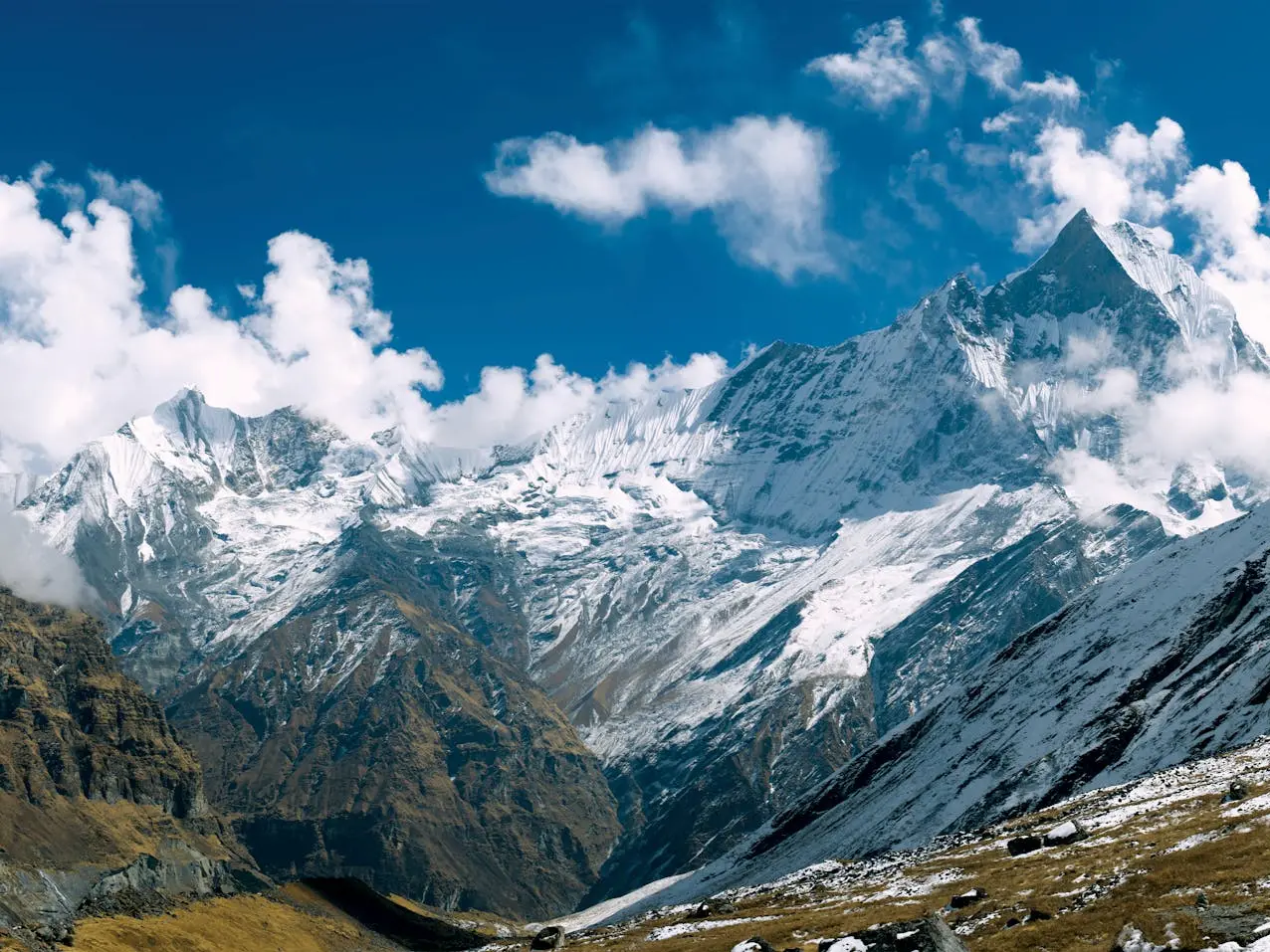
Nepal continues to be a premier trekking destination globally, and 2025/2026 offers a particularly special opportunity f...



